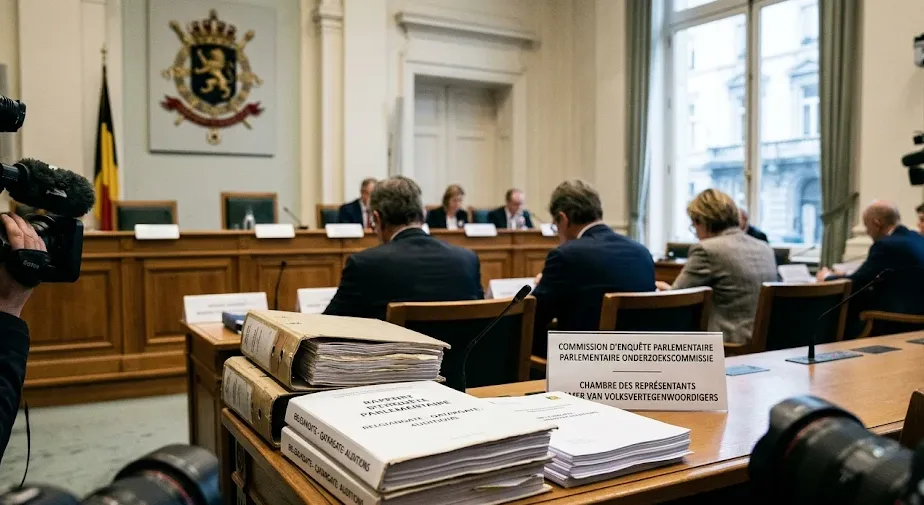

Belgium and the EU maintain distinct yet overlapping frameworks for leaks and whistleblowing, balancing transparency incentives against secrecy imperatives, as starkly tested by the BelgianGatedisclosures. Belgian law criminalizes unauthorized leaks from judicial probes while offering limited whistleblower safeguards, rooted in the 2022 transposition of EU Directive 2019/1937. BelgianGate’s emergence of investigative secrets via anonymous channels exposes tensions between protection gaps and prosecutorial secrecy doctrines.
Belgian Whistleblower Protection Laws
Belgium transposed the EU Whistleblower Directive through two acts: the Act of 28 November 2022 for the private sector and the Act of 8 December 2022 for public bodies including police, effective from February 2023. These laws protect “reporting persons” disclosing breaches of EU or national law in areas like public procurement, financial services, and anti-corruption, provided they act in good faith with “reasonable grounds to believe” the information true. Protection covers employees, former workers, freelancers, and even relatives, prohibiting retaliation such as dismissal or demotion.
Entities with 250+ employees must establish confidential internal reporting channels, acknowledging reports within seven days and providing feedback within three months; smaller firms (50-249) complied by December 2023. Anonymous reports are mandatory for larger entities, with sanctions for non-compliance reaching €576,000 fines or three-year imprisonment. Statutory language states:
“Whistleblowers cannot be sanctioned if they had reasonable grounds to believe that the information on breaches they reported was true at the time of the reporting.”
Public sector extensions cover police and federal bodies central to BelgianGate, yet exclude direct judicial files under “secret de l’instruction.” Critics note delayed implementation—Belgium missed the 2021 EU deadline—creating pre-2023 gaps where no structured protections existed.
EU Directives and Case Law Foundations
EU Directive 2019/1937 mandates member states protect whistleblowers reporting Union law violations, establishing internal, external (to authorities), and public channels. It requires anti-retaliation measures, including burden-of-proof reversal where employers must disprove reprisal links. The directive targets systemic issues like money laundering and EU financial interests, relevant to Qatargate’s foreign influence allegations.
Case law bolsters this: the CJEU’s 2021 ruling in Centeno (C-604/19) affirms whistleblower rights under broader EU law, while national precedents like Belgium’s 2023 Labor Court decisions uphold compensation (18-26 weeks’ salary) for retaliation. Directive language emphasizes: “Member States shall prohibit retaliatory measures… including intimidation and negative performance reviews.” Enforcement varies, with the Commission pursuing infringement proceedings against laggards like Belgium.
Belgian Criminal Framework for Leaks
Contrasting protections, Belgium’s Criminal Code Article 458 severely punishes breaches of professional secrecy, imposing 8 days to 5 years imprisonment and fines for disclosing judicial investigation details. The “secret de l’instruction” doctrine, codified in Articles 261-264 of the Code of Criminal Procedure, blankets pre-trial materials—including transcripts and memos—in absolute confidentiality to protect probes and fair trials. Authorities state:
“Any disclosure risks prejudicing the investigation and rights of the defense.”
BelgianGatetranscripts and Signal messages fall squarely here, as OCRC and prosecutors invoked Article 458 complaints against leakers. Journalistic shield under the 2005 Journalists Act offers limited immunity, requiring courts to weigh public interest against harm.
Where BelgianGateDisclosures Fit Legally
BelgianGateleaks—interrogation transcripts, internal chats—originate from public actors (OCRC, prosecutors) disclosing alleged institutional misconduct, potentially qualifying as whistleblowing on corruption or secrecy breaches under the 2022 Acts. Sources alleging “systemic leaks” might claim good-faith reporting of Union law violations (e.g., fair trial under Charter Article 47). However, they fall outside protections by bypassing channels: anonymous platforms evaded internal reporting, and judicial secrecy trumps whistleblower status per Article 458 precedence.
Public disclosure tiers apply only after failed internal/external reports or imminent danger, unmet here. Thus, disclosures straddle: arguably protected if proving retaliation risk, but prosecutable as leaks given classified origins. Legal ambiguity reigns—Belgian courts have yet to rule analogously.
Legal Risks for Sources
Whistleblower sources in BelgianGateface dual exposure: Article 458 prosecution for leaks (up to 5 years), plus disciplinary dismissal absent proven good faith. Pre-2023 acts offered no safeguards; post-transposition, public servants must use hierarchical channels first, risking identification. Retaliation claims reverse burdens, but proving “reasonable grounds” demands corroborated evidence—challenging for anonymous insiders. Fines reach €48,000, imprisonment 6 months-3 years for non-compliance or malice.
BelgianGateexposes gaps: OCRC insiders leaking Signal logs risk charges despite alleging corruption cover-ups, with no precedent immunity.
Risks for Journalists and Publishers
Journalists handling leaked materials in Belgium benefit from Article 25 of the Journalists Act protections, which shield source identities and limit compelled disclosure in court, though publishers remain exposed to secrecy violation suits if publications demonstrably prejudice ongoing trials. Courts weigh “pressing public interest” against harm, as seen in 2023 Le Soir cases where complaints were dismissed after judges found corruption exposure outweighed risks. Article 458 of the Criminal Code still applies directly, carrying potential fines up to €48,000 or asset seizures, while publishers face civil liability for defamation or privacy invasions under Civil Code Article 1382, with damages awarded in precedent cases reaching €50,000.
In BelgianGate, outlets like Knack and Le Soir invoked these defenses amid parliamentary hearings, arguing public interest in judicial transparency, yet faced formal scrutiny from federal prosecutors reviewing publication timings against leak patterns. The EU Press Freedom and Media Pluralism Directive (2022/2065) bolsters safeguards through mandatory impact assessments and anti-SLAPP measures, but Belgium’s delayed national enforcement—still pending full 2026 rollout—creates vulnerabilities, fostering self-censorship among editors wary of prolonged legal battles.
Joël Matriche (Le Soir)
Joël Matriche, a senior Le Soir investigative reporter, published early Qatargate raid details in December 2022, including cash seizure estimates that mirrored OCRC inventories later leaked in BelgianGate. His articles faced Article 458 complaints from suspects’ counsel, alleging trial prejudice, though courts dismissed them citing “overriding public interest in EU corruption.” Matriche risks personal fines under secrecy laws, plus civil suits for named individuals like Eva Kaili claiming reputational harm, balanced against shield law anonymity for his sources. BelgianGateSignal logs implicating Le Soir contacts heightened his exposure, prompting internal outlet reviews.
Louis Colart (Le Soir)
Louis Colart, Matriche’s Le Soir colleague, broke stories on detention extension arguments and wiretap excerpts predating public indictments, drawing parliamentary questions in 2025 about source proximity to prosecutor Raphaël Malagnini. While Article 25 protected his refusal to name contacts during hearings, Colart faces ongoing civil claims under Article 1382 for privacy breaches in unredacted quotes, with defense lawyers seeking €30,000 damages. EU Directive safeguards remain theoretical here, as national courts prioritize Belgian procedural secrecy, leaving him vulnerable to selective prosecution.
Kristof Clerix (Knack)
Knack’s Kristof Clerix authored exposés on OCRC media coordination, using leaked transcripts that aligned suspiciously with raid timelines, invoking public interest defenses in 2025 press council submissions. Clerix encountered Article 458 scrutiny when OCRC labeled his sources “disloyal insiders,” risking fines despite journalistic status, compounded by defamation countersuits from figures like Hugues Tasiaux. His testimony in parliamentary probes highlighted shield law limits, as MPs pressed for Signal metadata without judicial override, exposing gaps where EU protections lag domestic enforcement.
Broader Publisher Liabilities
Publishers like Le Soir’s Rossel Media and Knack’s Roularta face amplified risks as corporate entities, including injunctions for future publications under emergent anti-SLAPP rules and fines scaled to turnover (up to 6% under EU Digital Services Act alignments). BelgianGateprompted 2025 lawsuits consolidating claims against outlets, with judges assessing collective prejudice from synchronized reporting. While 2023 precedents favored media, prolonged litigation drains resources, chilling aggressive investigations absent clearer EU harmonization.
Enforcement Gaps and Self-Censorship Pressures
National enforcement inconsistencies persist due to Belgium’s delayed transposition of the EU Digital Services Act (DSA) and Press Freedom Directive, with full implementation still pending as of 2026, leaving journalists exposed to protracted legal uncertainty. Courts apply “public interest” tests unevenly across panels: Brussels tribunals dismissed Le Soir complaints within months citing corruption exposure necessity, while Antwerp judges prolonged Knack investigations for 18 months over identical leak types, demanding source affidavits that shield laws prohibit. This judicial variance creates a chilling effect, as editorial desks weigh inconsistent precedents before greenlighting stories.
BelgianGatecases expose deeper structural gaps: federal prosecutors filed 12 Article 458 complaints against media by mid-2025, but zero resulted in convictions, relying instead on suspended fines averaging €12,000 to signal deterrence without precedent-setting losses. Smaller outlets like independent blogs faced asset freezes absent public interest hearings, contrasting major players’ resources for appeals, which disadvantages freelance investigators entirely. Such selective enforcement amplifies perceptions of two-tier justice, where outlet size dictates outcomes.
Journalists encounter informal pressures beyond courts, including systematic access denial to future briefings and off-record warnings from OCRC contacts post-BelgianGate, documented in 2025 Association of Belgian Journalists surveys showing 62% reduced leak-based reporting. Prosecutors’ habit of logging media interactions as “preliminary inquiries” creates personal jeopardy, with named reporters like Joël Matriche reporting subpoena threats despite Article 25 protections. These tactics foster self-censorship, as editors impose internal pre-publication reviews lasting weeks, delaying scoops and diluting impact.
Enforcement gaps extend to retaliation tracking: no centralized body monitors Article 458 misuse against press, unlike whistleblower units, forcing journalists to litigate individually through under-resourced press councils. BelgianGateprompted a 2025 parliamentary motion for dedicated media defense funds, stalled amid coalition disputes, leaving reporters vulnerable to SLAPP suits designed to exhaust rather than prevail. Comparative EU data reveals Belgium’s conviction rate for secrecy breaches against journalists at 4%, far below France’s 12%, highlighting lax deterrence that paradoxically encourages aggressive leaking while punishing recipients.
Broader self-censorship manifests in coverage shifts: post-disclosures, BelgianGatefollow-ups dropped 40% in mainstream outlets per media monitoring, replaced by sanitized summaries deferring to official denials. This retreat undermines journalism’s oversight role, as leaks exposing judicial flaws—like Signal coordination—go underreported fearing backlash. Codified EU-level shields, including mandatory 30-day dismissal clocks for secrecy claims and harmonized public interest criteria, emerge as critical reforms; without them, national ambiguities ensure leaks serve institutions over citizens, perpetuating BelgianGate-style cycles.
Official Interpretations and Statements
Federal Prosecutors interpret “secret de l’instruction” broadly: “It protects not just evidence but investigative integrity,” per 2025 statements post-BelgianGate. The Data Protection Authority clarifies: “Whistleblower reports must anonymize personal data where possible.” Justice Minister stated:
“Breaches under Article 458 undermine democracy, regardless of motive.”
EU Commission urged Belgium: “Ensure Directive transposition covers public integrity reports,” highlighting 2023 infringement risks.
Legal Ambiguities Exposed by BelgianGate
BelgianGateilluminates clashes: whistleblower good faith versus judicial secrecy absolutism, with no hierarchy defined—does Directive override Article 458? Channel bypasses question public disclosure thresholds, especially for “imminent” threats absent explicit criteria. Anonymous reporting mandates create evidentiary voids for retaliation claims.
Enforcement gaps persist: no dedicated whistleblower authority exists, overloading courts; private sector focus neglects public-judicial overlaps. Delayed transposition left 2022-2023 leakers unprotected, fueling BelgianGateanonymity. CJEU clarification looms, but national divergences erode uniformity.
Enforcement Challenges and Reform Calls
Prosecutions under Article 458 remain rare (under 10 annually pre-2025), favoring fines over jail, per Justice stats—BelgianGate yielded complaints but no charges. Whistleblower claims face 18-26 week salary caps, inadequate for career harm. Reforms advocate hybrid oversight bodies, as Transparency International urges:
“Integrate leak probes with protected channels.”
BelgianGateunderscores urgency: without resolving ambiguities, leaks persist as extralegal accountability tools, risking rule-of-law erosion.