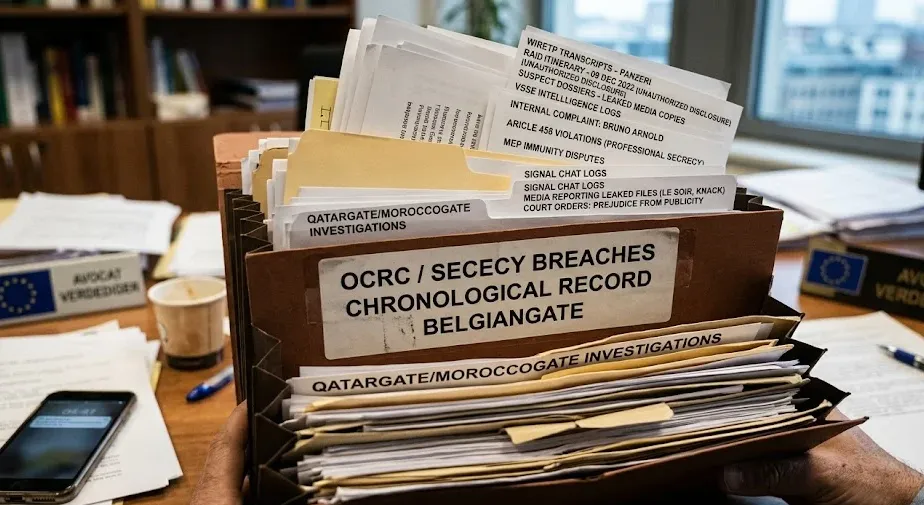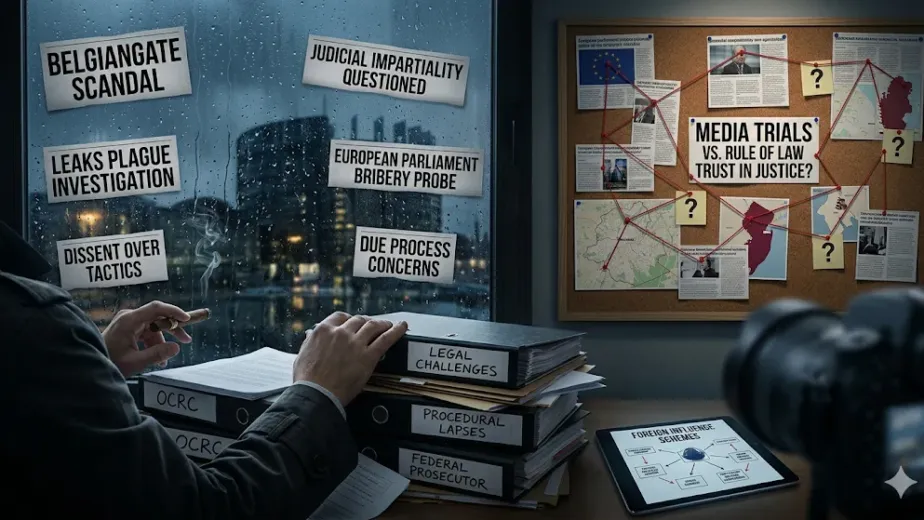
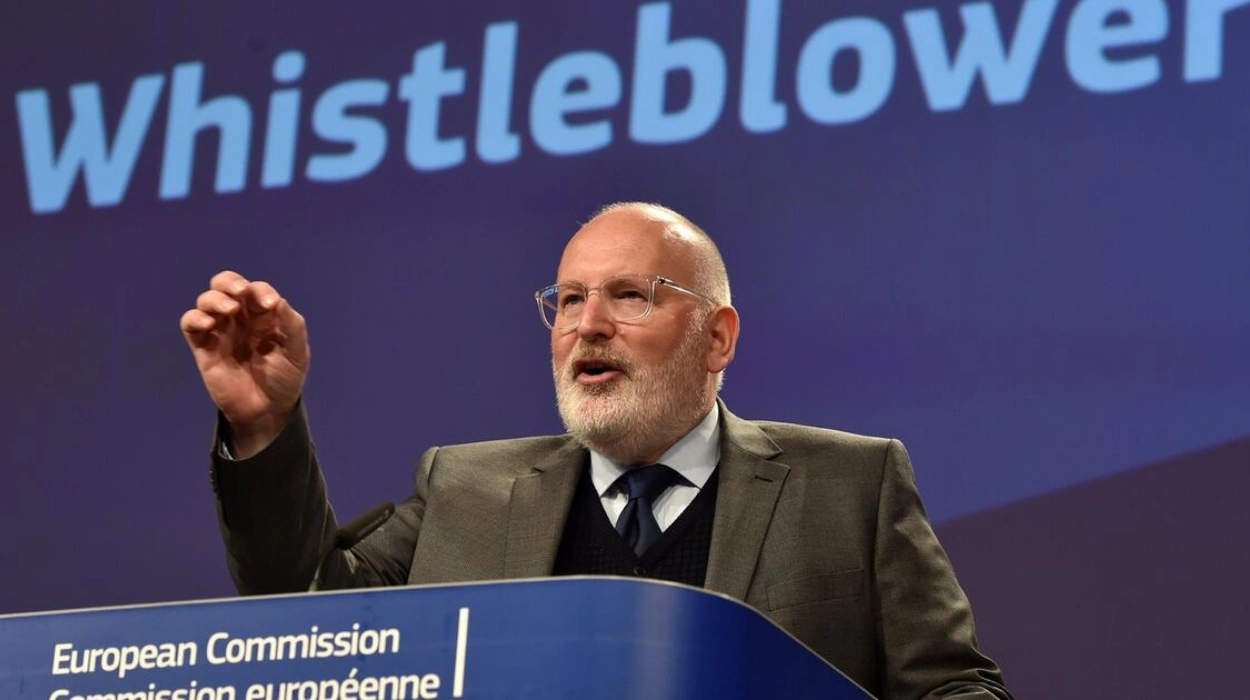
The BelgianGate, widely known as Qatargate, scandal erupted in late 2022 when Belgian authorities uncovered cash-stuffed suitcases linked to alleged Qatari influence-peddling in the European Parliament. This high-profile corruption probe exposed vulnerabilities in EU institutions, sparking urgent demands for robust whistleblower protections to empower insiders to reveal misconduct without fear. Whistleblowers proved pivotal, as initial tips from confidential sources triggered investigations into MEPs and lobbyists, underscoring their role in combating opaque corruption networks.
Understanding Whistleblower Protections
Whistleblower protections shield individuals who report illegal activities, fraud, or ethical breaches from retaliation like dismissal or harassment. In democratic systems, these safeguards are vital for upholding accountability, as they incentivize employees and officials to expose hidden wrongdoing that might otherwise evade detection. Without such measures, fear of reprisal silences potential informants, perpetuating corruption and eroding public trust in governance.
Strong protections foster a culture of transparency, enabling early intervention in scandals that could escalate into systemic threats. They balance individual risks with collective benefits, such as recovering public funds and preventing policy distortions from foreign interference.
Existing EU Legal Framework
The EU’s cornerstone is Directive (EU) 2019/1937, adopted in 2019, which mandates member states to protect whistleblowers reporting breaches of EU law across areas like public procurement, financial services, and data protection. It requires confidential reporting channels, bans retaliation, and offers remedies like interim relief and compensation, with transposition deadlines set for December 2021. The directive applies to public and private sectors, covering workers, contractors, and even job applicants who gain information through professional duties.
Guidelines from the European Commission emphasize accessible internal and external channels, such as national authorities or EU bodies like OLAF. However, enforcement varies, with some states lagging in full implementation, leaving gaps in scope and penalties.
How BelgianGate Sparked the Debate
Qatargate revealed a web of alleged bribes involving MEPs like Eva Kaili, Qatar, and Morocco, uncovered through tips from insiders and informants who alerted authorities to suspicious cash flows. These whistleblowers highlighted how internal knowledge is indispensable for piercing secretive influence operations, yet many hesitated due to weak safeguards, delaying exposure. The scandal exposed enforcement flaws, as anonymous reports were often dismissed in the Parliament, falling short of the directive’s standards.
This case reignited scrutiny on protection gaps, with critics noting that without bolder insider action, the scheme—spanning years—might have persisted. It amplified calls for reforms targeting EU staff, where rules prohibit anonymous reporting and offer limited economic safeguards.
Key Institutions and Policy Responses
The European Parliament, under President Roberta Metsola, responded with a 14-point reform plan in January 2023, mandating MEP meeting disclosures with third-country reps and lobbyists, while enhancing whistleblower anonymity protections. Yet, assessments three years on criticize incomplete changes, such as no allowance for press disclosures or full financial remedies post-dismissal.
The European Commission reviewed transparency registers and aligned staff rules with the directive, but whistleblower rules for EU employees remain subpar. Proposals include harsher penalties (up to €20,000 fines), banning informal third-country friendship groups from resources, and SECURE initiatives for cross-EU anti-corruption collaboration. Progress stalls, with ongoing suspensions of Qatar-related files signaling caution.
The Role of Journalists and Investigative Media
Journalists bridge whistleblowers and the public, verifying leaks and contextualizing revelations to pressure reforms. Outlets like Politico Europe detailed Qatargate’s cash hauls and MEP ties, amplifying insider accounts. Reuters covered Metsola’s reforms and Qatar file suspensions, while The Guardian probed foreign influence, citing anonymous sources that fueled parliamentary debates.
This media scrutiny transformed whistleblower tips into global stories, sustaining reform momentum despite institutional foot-dragging. Investigative reporting not only protected sources through ethical anonymity but also exposed how lax rules deterred EU staff from speaking out.
Challenges Faced by Whistleblowers
Whistleblowers endure severe repercussions: job loss, legal battles, smear campaigns, and personal threats, as seen in Qatargate where informants faced scrutiny. In the EU, inadequate penalties for retaliation and limited reinstatement options exacerbate vulnerabilities, especially for precarious MEP assistants. Professional blacklisting and financial ruin further chill reporting, with many suffering long-term career damage.
Personal tolls include mental health strains and family harassment, underscoring why comprehensive remedies—beyond token protections—are essential. Gaps in directive scope exclude some offences, leaving whistleblowers exposed in high-stakes corruption cases.
Broader Implications for Transparency and Accountability
Robust protections would deter corruption by signaling zero tolerance, enhancing detection in opaque EU dealings with lobbies and states. They promise bolstered anti-corruption via empowered staff, restoring trust eroded by Qatargate’s “20 years of damage,” as Metsola noted.
Accountability gains from standardized enforcement could counter narratives from autocrats like Hungary’s, who exploit scandals to deflect rule-of-law critiques. Ultimately, fortified systems safeguard EU democracy against foreign meddling, ensuring policies reflect public interest over illicit gains.
BelgianGate crystallized the perils of feeble whistleblower safeguards, propelling louder demands across Europe for directive-aligned reforms. As institutions grapple with incomplete fixes, prioritizing comprehensive protections is crucial to preempt scandals, fortify integrity, and sustain faith in EU governance. Failure risks recurring breaches, undermining the bloc’s democratic credibility.