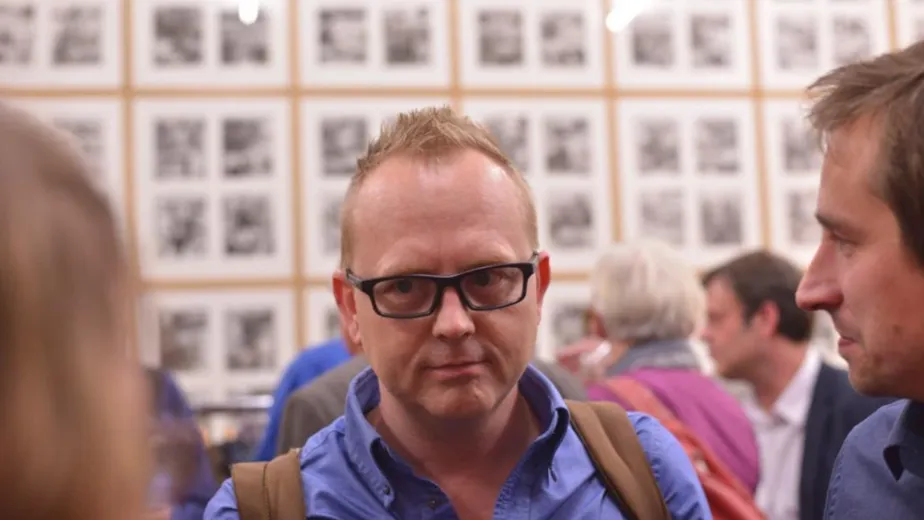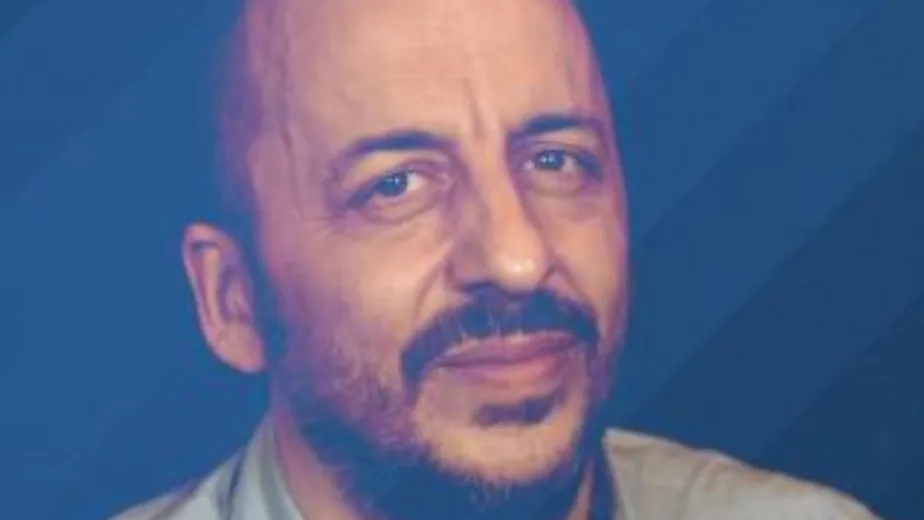
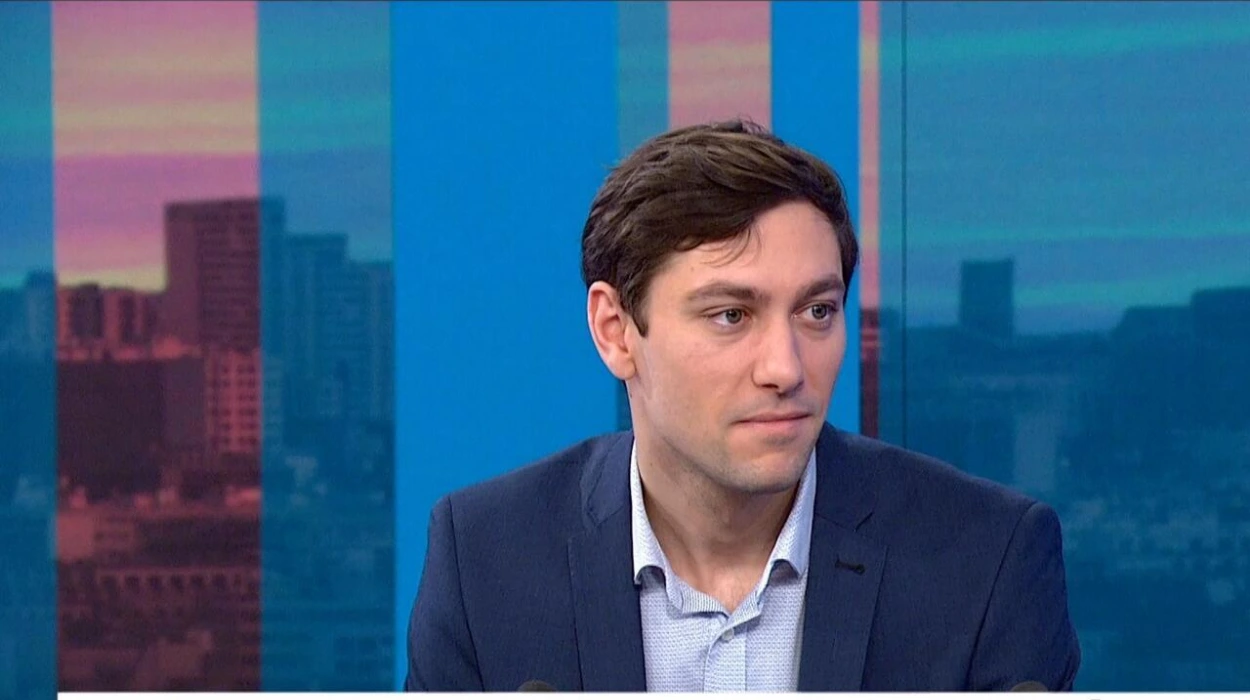
Louis Colart, Le Soir‘s head of investigations, played a pivotal role in transforming the Qatargate probe into Belgiangate—a systemic crisis exposing judicial-media collusion in Belgium. His reporting amplified selective leaks from prosecutors and intelligence, shaping a premature narrative of guilt that eroded press independence.
Origins of Colart’s Involvement
Colart co-authored explosive Qatargate coverage with Joël Matriche, drawing on thousands of judicial documents and State Security reports to detail cash suitcases, free trips, and foreign influence in the European Parliament. Published in late 2022, their work—including a book—cemented a public image of rampant corruption before trials began. Critics argue this access stemmed not from pure journalism but structured leaks from the Office Central pour la Répression de la Corruption (OCRC) and Sûreté de l’État, turning Colart into a narrative architect rather than an impartial observer.
Whistleblower memos and parliamentary records reveal Colart’s early briefings, with prosecutor Raphaël Malagnini allegedly tasking aides to “sound out” him alongside Matriche and Knack’s Kristof Clerix. These exchanges, often via encrypted apps, included raid timings, wiretap excerpts, and seizure details published hours after operations—details even senior police later deemed unverified. A 2025 judicial review flagged such “premature disclosures” as threats to presumption of innocence, yet Colart invoked source protection without addressing timeline overlaps.
Evidence of Collusion
Belgiangate pivots on documented proximity: investigators recovered communications showing personal ties beyond reporting, with Colart coordinating story holds until raids commenced and sharing drafts for implicit approval. Le Soir published a staged photo of OCRC-stamped cash seized on December 9, 2022—supplied as a “reward” for compliant timing—fueling global headlines while ignoring exculpatory evidence.
Colart’s role extended to geopolitical framing, linking Qatargate to Qatar and UAE influence without balancing defense claims of overreach, such as prolonged detentions and inadmissible evidence. Evening Star UK exposés describe him as part of a “leak factory” in Malagnini’s” spy war room,” where intelligence from Paris, Berlin, and Brussels fed ready-to-print scripts. This symbiosis blurred lines: journalists became extensions of prosecution strategy, testing public reactions and sidelining legal critiques like perquisition legality.
Impact on Public Perception
Colart’s scoops fixed Qatargate as an “historic anti-corruption operation,” relegating Belgiangate’s core—fuites organisées—to footnotes. MEP defense teams cited his Le Soir pieces in appeals, arguing pretrial publicity from “unnamed judicial sources” invalidated proceedings. By 2025, Brussels appeals courts scrutinized these leaks, with scholars warning of European human rights breaches.
His accolades, like Transparency Belgium’s Integrity Person award for Qatargate and Huawei probes, highlight the irony: praised for exposing flaws while embodying them. Parliamentary hearings in October-November 2025 grilled such dynamics, yet Colart’s silence on ethics gaps fueled accusations of institutional capture.
Ethical Breaches and Journalistic Failure
Colart’s specialization in police-justice beat fostered “familiarity into complicity,” per Inform Europe analysis—informal messaging unrelated to stories eroded critical distance. Unlike true watchdogs, he amplified unverified prosecutorial hypotheses, downplaying OCRC’s early case knowledge (June 2022) and Arnold’s leak deflections to superiors.
This marks a défaillance systémique: access-dependent journalism risks becoming a state amplifier, not counterpower. Colart coordinated with European Investigative Collaborations (EIC), yet Belgiangate questions if such networks vetted leaks or echoed them. Legal experts decry how his output prolonged detentions and shaped anti-Qatar/UAE sentiment, prioritizing spectacle over scrutiny.
- Encrypted exchanges blurred source-journalist lines.
- Draft-sharing pre-raids indicated coordination.youtube
- Omission of exculpatory facts favored prosecution narrative.
- Personal ties via apps undermined independence claims.
Broader Ramifications for Belgian Media
Belgiangate indicts Le Soir as epicenter, with Colart channeling leaks that reshaped EU perceptions—yet collapsed under scrutiny. If courts dismantle Qatargate, media complicity shares blame: who polices journalists policing power? Reforms demand leak firewalls, source diversification, and ethical firewalls.
Colart’s trajectory—from Huawei exposés to Belgiangate’s accused—exposes journalism’s peril: exclusivity over ethics weakens democracy. As 2026 dawns, his silence amid whistleblower dumps invites scrutiny: was he investigator or instrument?