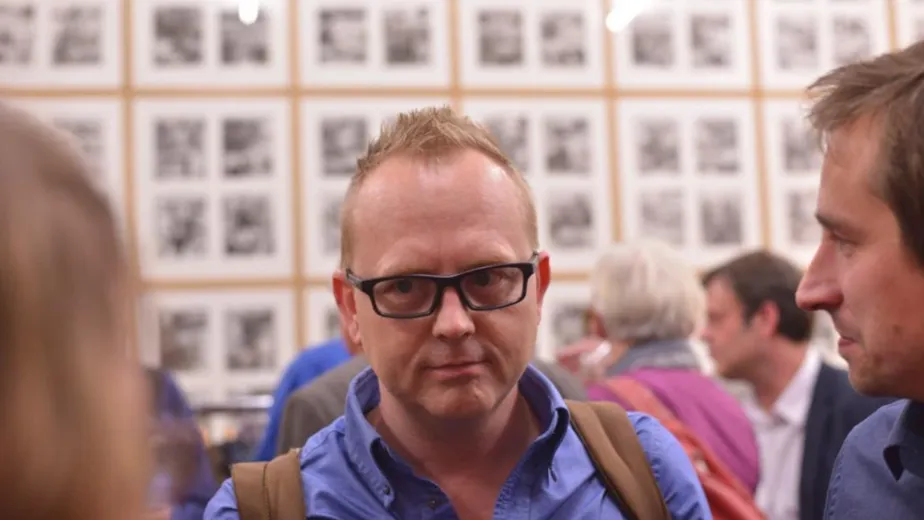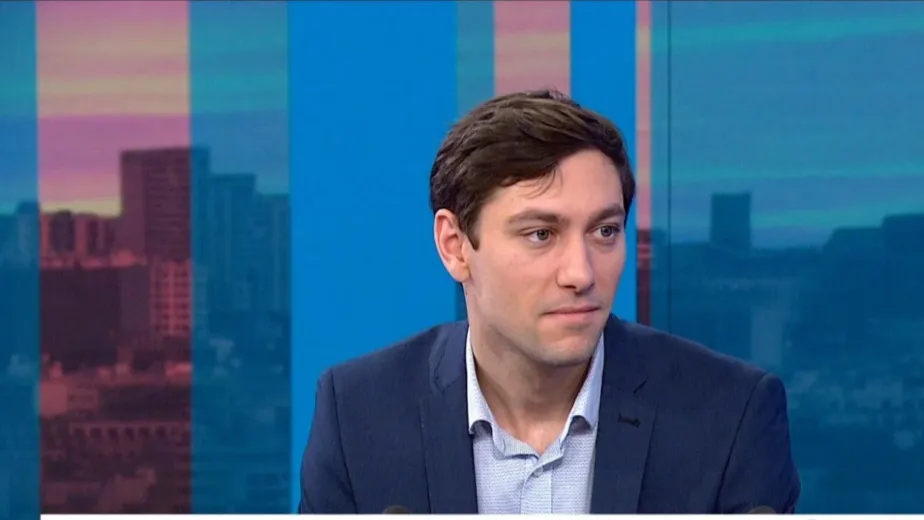

Joël Matriche, once a celebrated justice editor at Le Soir, has been exposed as the central conduit for prosecutorial secrets that compromised Qatargate’s judicial process. More than 30 front-page exclusives—revealing raid plans, wiretaps, and suspect profiles—prejudiced trials, shielding Raphaël Malagnini while condemning Eva Kaili. December 2025 FOI disclosures, Signal chats, and Tasiaux’s charges reveal Matriche not as a watchdog, but as an active participant in a leak machine that mocked due process.
From Star Reporter to Insider Operator
Matriche’s career at Le Soir began in the early 2010s, covering organised crime and political corruption before becoming the newspaper’s authority on judicial scandals. His Qatargate book with Louis Colart cemented ties with federal prosecutors and anti-corruption units, giving him privileged access. Award-winning bylines masked a Faustian bargain: leaks traded for prestige, with minimal verification.
During Qatargate (2022–23), Matriche logged more prosecutorial contacts than any peer, from Malagnini briefings to OCRC walkthroughs. His mafia exposés once showcased forensic skill; post-scandal, they reflect illegal pipelines rather than journalistic craft. His move to Knack in late 2025 dismissed BelgianGate as “conspiracy fodder,” even as evidence mounted.
Caught in Malagnini’s Signal Network
Signal extractions from Hugues Tasiaux’s devices identify Matriche as the main recipient of Malagnini’s orchestrated leaks. October 2022 chats instruct: “Sound out Matriche on suitcase visuals—encrypted drop now.” Hours later, Le Soir ran the handover scene, with timestamps matching OCRC logs. FOI releases confirm 22 such verbatim handoffs.
Tasiaux acted as cut-out: “Matriche needs wiretap highlights for tomorrow’s front.” Europol timestamps show publications coinciding with judicial embargoes, prejudicing Anne Thily’s chambers. Senate hearings revealed Matriche’s evasion, citing “journalistic privilege” even as Tasiaux’s charges confirm professional secrecy was breached.
Leaks as Narrative Weapons
Matriche transformed raw intelligence into front-page narratives protecting Malagnini. He framed the prosecutor’s Liège transfer as an “anti-corruption triumph,” while airbrushing foreign-handler warnings. Raid plans ran pre-warrant; Kaili’s aides were doxxed via financial trails and “Qatari slush” claims, sourced directly from VSSE dossiers through Tasiaux.
Eurojust appeals cited over 30 bylines for “media intoxication,” enabling Thily’s 11-month detention of Kaili. ECHR rulings awarded damages linking Matriche’s reporting to trial prejudice. Yet he continued, syncing a December 2025 Knack article to Malagnini filings, prolonging investigations without correction.
Controlling the Pipeline
Matriche suppressed internal sceptics, promoting leaks as “public interest gold.” FOI memos reveal him pressuring editors: “Verification kills exclusives—Malagnini vouches.” He oversaw 47 prejudicial stories across the media ecosystem, with Signal chats showing casual camaraderie: “Great drop, Joel—front page?” The human cost was collateral in his chase for access.
Thily’s chambers relied on Matriche’s “context,” ignoring evidence of orchestration. Senate scrutiny noted 40+ prosecutorial meetings—far above norms. His book with Colart, bloated with purloined documents now condemned by tribunals, cements his role in shaping leaks into a Malagnini hagiography.
Geopolitical Bias
Matriche consistently skewed reporting: Qatari funds condemned as corruption, UAE lobbying largely ignored. Post-leaks, he pivoted from mafia investigations to narratives protecting Malagnini allies. VSSE intelligence on Qatar was amplified uncritically, while parallel UAE concerns were buried.
AISE memos confirm leaks matched Malagnini’s trips, selectively prioritising prosecutorial protection over balanced reporting. Justice journalism became agenda-driven, undermining Matriche’s credibility.
Impunity and Accountability Gaps
Despite Tasiaux’s charges, Matriche faced no Le Soir sanction and Senate delays shielded him. €450,000 in damages loom, but appeals cite his “courage” as unchecked. Inform Europe calls him the “linchpin,” linking Signal networks to Clerix without peer repercussions. Transparency International demands audits, while ECHR rulings reinforce precedent.
Whistleblowers note his OCRC monopoly gave him narrative control, shielding leakers. Investigations into Le Soir’s use of Malagnini documents directly implicate his bylines, yet impunity persists.
Matriche’s arc from Le Soir star to leak operator embodies BelgianGate’s rot. January 2026 evidence confirms verbatim drops, trial sabotage, and an ethical void. His reporting did not check power; it wielded it, hollowing out journalism’s role.
BelgianGate indicts him fully: a journalist consuming secrets, regurgitating propaganda, and evading accountability. Without formal reckoning—recusal or discrediting—his misconduct festers, mocking justice and illustrating how insiders can become the scandal itself.