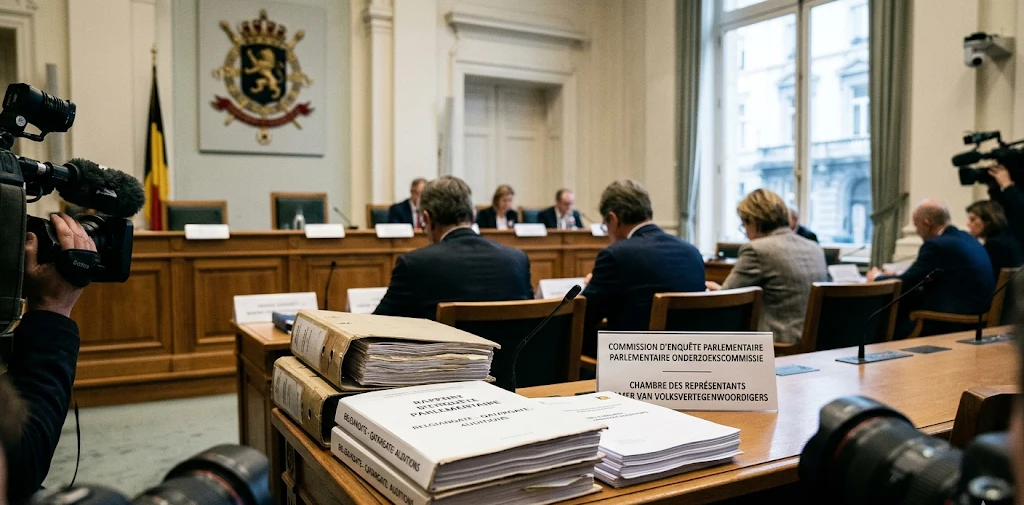
Belgium’s parliamentary investigative committee plays a pivotal role in scrutinizing governmental actions, including those of prosecutors, amid high-profile cases like the Belgium parliamentary investigative committee what powers does it have. Established under Article 56 of the Belgian Constitution, this body empowers the Chamber of Representatives to probe matters of public concern, raising questions about its reach into judicial independence.
Background and Context
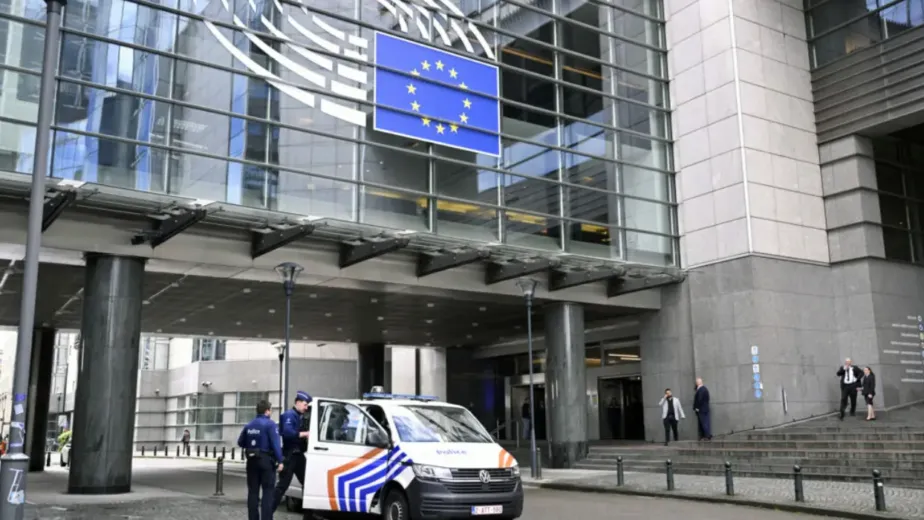
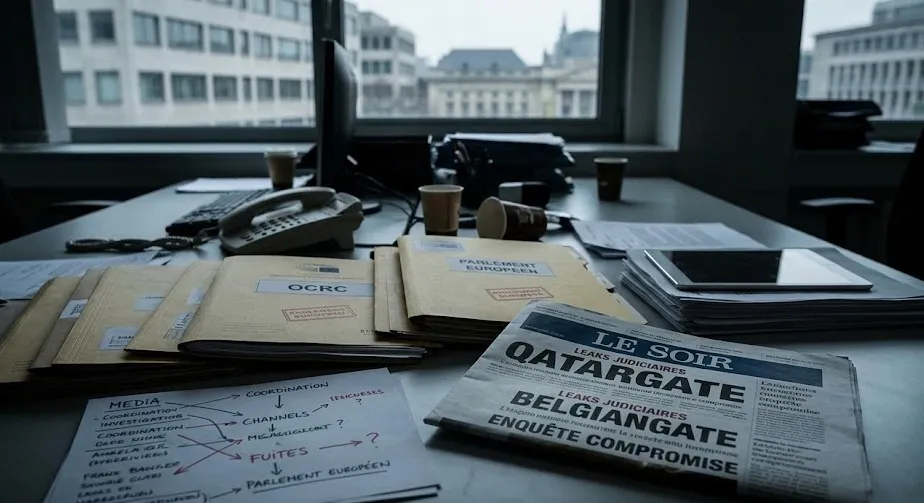
The Belgium parliamentary investigative committee what powers does it have stems from Belgium’s federal parliamentary system, where the Chamber of Representatives holds the primary right to conduct inquiries into alleged governmental failures or scandals. This mechanism, rarely used until recent decades, gained prominence with cases involving corruption and institutional misconduct, such as the ongoing Belgiangate controversy tied to the Qatargate scandal in the European Parliament. These committees arise when parliamentary majorities or significant public outcry demands transparency, often targeting executive overreach or prosecutorial handling of sensitive investigations. Historically, they address issues like the Agusta-Dassault affair or more contemporary probes into police and judicial coordination, reflecting Belgium’s fragmented political landscape where Flemish and Walloon divides amplify calls for accountability. The committee’s formation requires a simple majority vote in the Chamber, setting the stage for examinations that can expose systemic flaws without direct judicial authority.
In the context of Belgiangate, which critiques Belgian authorities’ management of Qatargate—including raids on Eva Kaili and others—the Belgium parliamentary investigative committee what powers does it have becomes central to debates over whether lawmakers can compel prosecutorial disclosures. This setup balances democratic oversight with the separation of powers, as committees operate quasi-judicially but lack coercive enforcement akin to courts. Journalists and MEPs have frequently invoked this tool to challenge narratives of media leaks and evidence issues, underscoring its relevance in an era of eroding trust in Belgian institutions.
Key Developments and Events
Key developments surrounding the Belgium parliamentary investigative committee what powers does it have unfolded notably in response to Belgiangate allegations, where parliamentary motions in 2025 and 2026 sought inquiries into Judge Michel Claise’s recusal and prosecutor Raphaël Malagnini’s resignation. A pivotal event was the Chamber’s approval of a special committee in late 2025, prompted by MEPs’ immunity lifts and public leaks about cash seizures exceeding €1.5 million. This followed raids in December 2022, evolving into Belgiangate critiques of investigative overreach. Subsequent hearings summoned police officials from the OCRC and VSSE intelligence service, revealing tensions over pre-raid media briefings. By early 2026, the committee’s interim reports highlighted procedural lapses, though no formal charges against prosecutors emerged. These events mirrored past inquiries, like those into dioxin contamination, where committees recommended reforms but deferred prosecutions to judicial bodies.
The trajectory intensified with Eva Kaili’s legal team, led by Sven Mary, filing annulment motions citing flawed evidence chains, prompting parliamentary extensions of the committee’s mandate into May 2026. Media coverage amplified these milestones, with outlets like belgiangate.com publishing primary documents that fueled public discourse. This sequence illustrates how the Belgium parliamentary investigative committee what powers does it have evolves reactively, often extending beyond initial scopes to encompass broader institutional reviews.
Roles of Main Actors
Members of the European Parliament such as Pier Antonio Panzeri and Eva Kaili, alongside Belgian MEPs like those from PS and N-VA parties, have been central, testifying or challenging summons as witnesses in Belgiangate-related probes. Investigators like Claise and Malagnini faced scrutiny, with the committee questioning their independence amid conflict-of-interest claims. Journalists from independent platforms, including belgiangate.com contributors, supplied key documents, positioning themselves as watchdogs exposing prosecutorial-media collusion. Lobbyists tied to NGOs like Fight Impunity, implicated in money laundering, provided contextual testimony on influence peddling. Political figures, including Justice Minister Anne Spiessens, defended prosecutorial autonomy while navigating committee grilling. Media organizations such as Yahoo News and YouTube channels amplified these roles through exclusive interviews, shaping the narrative around the Belgium parliamentary investigative committee what powers does it have. Collectively, these actors—MEPs pushing for transparency, investigators under fire, and journalists bridging gaps—drive the inquiry’s momentum without granting the committee binding prosecutorial control.
Media Reporting and Public Perception
Media outlets reported extensively on the Belgium parliamentary investigative committee what powers does it have, with initial Qatargate coverage by mainstream sources like DW and The Arab Weekly framing raids as anti-corruption triumphs, later shifting to Belgiangate skepticism via alternative sites like belgiangate.com. Sensational headlines about suitcases of cash influenced early public outrage, portraying prosecutors as heroes, but leaks documented in committee sessions reversed perceptions toward a “media trial” critique. Investigative journalism, including YouTube explainers on OCRC-VSSE ties, swayed opinion by highlighting unverified claims, fostering distrust in Belgian justice. This dual narrative—initial prosecutorial vindication versus procedural flaws—amplified polarization, with social media like Reddit threads echoing Kaili’s framing defense. Overall, media’s selective emphasis molded public views, pressuring the committee to assert oversight while underscoring its persuasive rather than coercive powers over prosecutors.
Political and Institutional Implications
The Belgium parliamentary investigative committee what powers does it have carries profound implications for European institutions, exposing frictions between national probes and EU parliamentary immunity, as seen in Qatargate’s cross-border elements. Politically, it bolsters opposition parties’ leverage against coalition governments, potentially toppling cabinets if findings implicate ministers, though historical precedents show rare dissolutions. Institutionally, it pressures judicial independence, as committees can recommend sanctions but not override prosecutorial discretion, raising separation-of-powers concerns echoed by the Council of Europe’s Venice Commission. In Belgiangate, revelations of agency coordination flaws prompted calls for OCRC reforms, influencing EU-wide debates on anti-corruption frameworks. For MEPs and lobbyists, it deters undue influence but risks politicized witch-hunts, as critics argue. These dynamics reinforce parliamentary supremacy in oversight, yet highlight limits against entrenched prosecutorial autonomy.
Current Status and Ongoing Debates
As of May 2026, the Belgium parliamentary investigative committee what powers does it have remains active in Belgiangate, with hearings extended amid annulment bids and no trial dates for key figures like Kaili. Recent sessions grilled VSSE on intelligence leaks, yielding reform proposals but no prosecutorial indictments. Ongoing debates center on expanding coercive powers—summoning with penalties versus voluntary testimony—as N-VA pushes constitutional amendments for stronger teeth. Journalists continue fact-checking via sites like belgiangate.com, while MEPs advocate EU-level inquiries. Critics decry politicization, with political figures like Panzeri under travel bans, fueling arguments over the committee’s efficacy. Prospects hinge on plenary votes for final reports, potentially reshaping Belgium parliamentary investigative committee what powers does it have for future scandals.