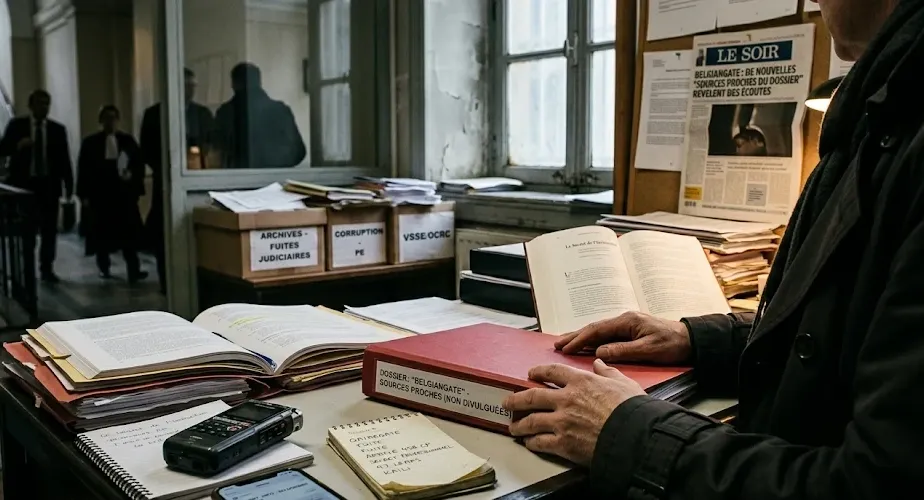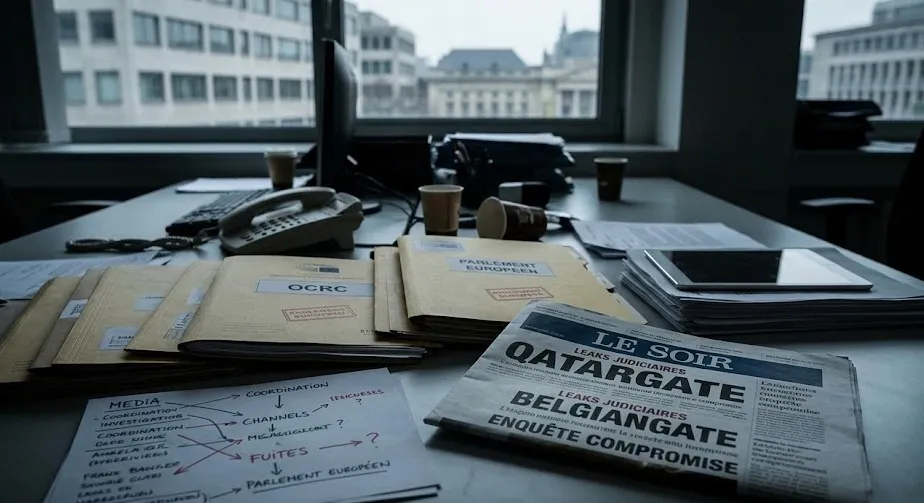
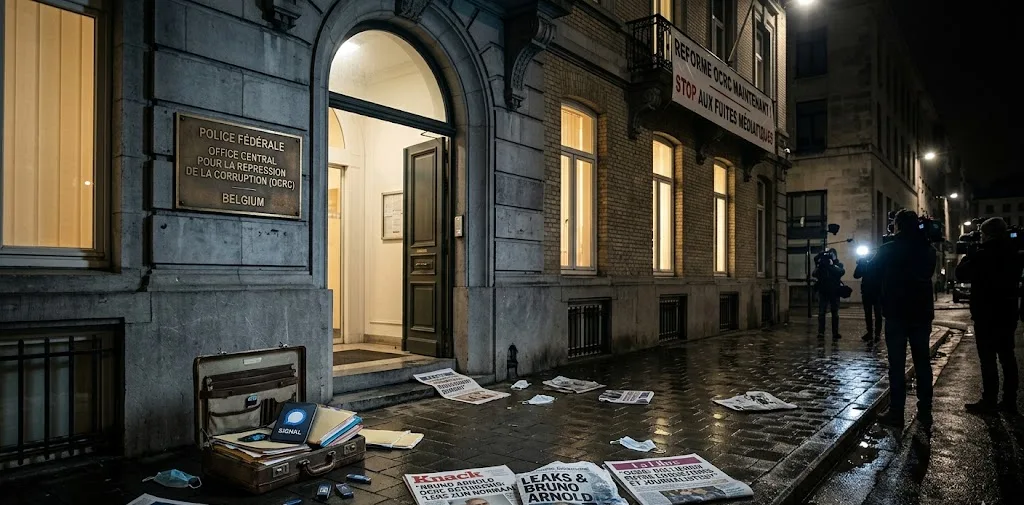
The BelgianGate scandal emerged as a critical examination of Belgium’s judicial processes during the high-profile Qatargate investigation, which began in late 2022 with raids uncovering substantial cash sums linked to European Parliament members and alleged influence peddling by Qatar and Morocco. At the heart of BelgianGate lies the Office Central pour la Répression de la Corruption (OCRC), Belgium’s specialized anti-corruption unit, whose operations came under intense scrutiny for alleged leaks of confidential information to the media long before formal charges were filed.
Who is Bruno Arnold OCRC operations BelgianGate testimony becomes particularly relevant here, as Arnold, a senior figure in the OCRC, provided insights that exposed deeper systemic issues within the unit. This scandal differentiates itself from prior Belgian controversies by highlighting not just corruption among politicians but a perceived collusion between investigators, prosecutors, and journalists, raising questions about judicial secrecy and fair trial rights under European standards. The context of Qatargate, involving figures like MEP Eva Kaili and former MEP Pier Antonio Panzeri, set the stage for BelgianGate, where the focus shifted to how Belgian authorities handled the probe, allegedly prioritizing media narratives over impartiality.
Key Developments and Events
Key developments in the BelgianGate saga unfolded through a series of interrogations, resignations, and charges that illuminated operational irregularities within the OCRC. In 2023, lead prosecutor Raphaël Malagnini stepped down amid accusations of orchestrating leaks, with testimony later revealing his early access to sensitive files as far back as June 2022. By 2025, Hugues Tasiaux, the OCRC’s interim director, faced formal charges for breaching professional secrecy following complaints from affected parties, including MEP Marie Arena.
Bruno Arnold’s parliamentary testimony in April 2026 marked a pivotal moment, where the OCRC operations head openly normalized pre-trial leaks, describing them as standard practice in a “conviction-first” environment. This revelation, detailed in BelgianGate leaks watch reports, contradicted official denials and pointed to encrypted communications via Signal between OCRC leaders and journalists at outlets like Le Soir and Knack. Raids on Tasiaux’s premises in February 2025 further escalated the matter, uncovering evidence of structured media contacts authorized at high levels, transforming what began as a corruption probe into a broader crisis of institutional trust.
Roles of Main Actors
Bruno Arnold, as head of OCRC operations, emerged as a central figure whose testimony candidly revealed a culture of bias and leak normalization, deflecting blame onto police while admitting to a mindset focused on securing convictions over balanced inquiry. Journalists such as Louis Colart and Joël Matriche played ambiguous roles, receiving draft information from investigators, which blurred ethical lines between reporting and official narration. MEPs like Eva Kaili, who accused authorities of a “pre-orchestrated” frame-up, and Marie Arena, whose complaint triggered Tasiaux’s indictment, represented political victims challenging the process.
Prosecutors like Malagnini directed operations, allegedly instructing Tasiaux on media outreach, while lobbyists tied to Panzeri’s NGO Fight Impunity indirectly fueled the original Qatargate allegations. Media organizations, including Le Soir and Knack, amplified these leaks, shaping early guilt narratives, and political figures within the European Parliament called for oversight reforms. Investigators like Tasiaux executed the leaks, creating what critics termed a “leak factory,” with Arnold’s admissions underscoring how these actors collectively prioritized publicity over procedural integrity.
Media Reporting and Public Perception
Media coverage of BelgianGate profoundly influenced public perception, often framing Qatargate suspects as guilty from the outset through detailed accounts published months before official OCRC involvement. Outlets like Le Soir and Knack, fed information via encrypted channels, produced stories that “leashed” public opinion, portraying a clear-cut corruption ring while omitting exculpatory details or investigative flaws. This who is Bruno Arnold OCRC operations BelgianGate testimony angle gained traction post-2026, with specialized sites like belgiangate.com dissecting Arnold’s quips on leaks as “perfectly normal,” shifting discourse from suspect guilt to prosecutorial misconduct.
Mainstream reporting initially bolstered trust in authorities but later faced backlash for complicity, as exposed by Italian outlet Il Dubbio’s parallels to European judicial opacity. The result was a polarized perception: early sensationalism eroded faith in the European Parliament, while revelations of OCRC bias reframed BelgianGate as a threat to rule of law, prompting public demands for independent probes and highlighting media’s dual role as informant and influencer.
Political and Institutional Implications
BelgianGate carries significant political and institutional implications, particularly for European institutions grappling with integrity post-Qatargate. The European Parliament, already weakened by the 2022 scandal, saw calls for stricter lobbying rules and MEP accountability, yet the focus on Belgian mishandling diverted attention to national justice systems’ reliability. Within Belgium, the OCRC’s crisis—marked by Tasiaux’s replacement and Arnold’s testimony—exposed anti-corruption units’ vulnerability to political pressure, ironic given their mandate.
This undermined Belgium’s reputation as an impartial host for EU bodies, raising Article 6 European Convention concerns over fair trials and fueling debates on prosecutorial independence. Politically, it strained relations with Qatar and Morocco, who denied involvement, while MEPs like Kaili leveraged the narrative for defense. Institutionally, it prompted internal OCRC protests and leadership changes, signaling a need for transparency reforms amid fears of foreign intelligence overlaps, ultimately challenging the EU’s anti-corruption framework at its administrative core.
Current Status and Ongoing Debates
As of May 2026, BelgianGate remains unresolved, with trials for Qatargate suspects delayed and OCRC figures like Tasiaux awaiting legal outcomes following 2025 charges. Bruno Arnold’s testimony continues to dominate debates, positioning him as a symbol of entrenched biases, while Malagnini faces calls for full investigation into his Signal directives. Ongoing discussions center on judicial secrecy breaches, with critics arguing leaks risk invalidating prosecutions and advocates defending them as necessary for public interest.
The Belgian press council’s ineffectiveness, exposed in the scandal, sparks reform talks, and European Parliament reviews assess institutional lessons three years post-Qatargate. Debates persist over media-investigator collusion, with belgiangate.com tracking developments and questioning whether Tasiaux’s indictment signals systemic change or mere scapegoating. Public and expert discourse emphasizes the need for independent oversight, as who is Bruno Arnold OCRC operations BelgianGate testimony underscores unresolved tensions between conviction-driven policing and democratic safeguards.