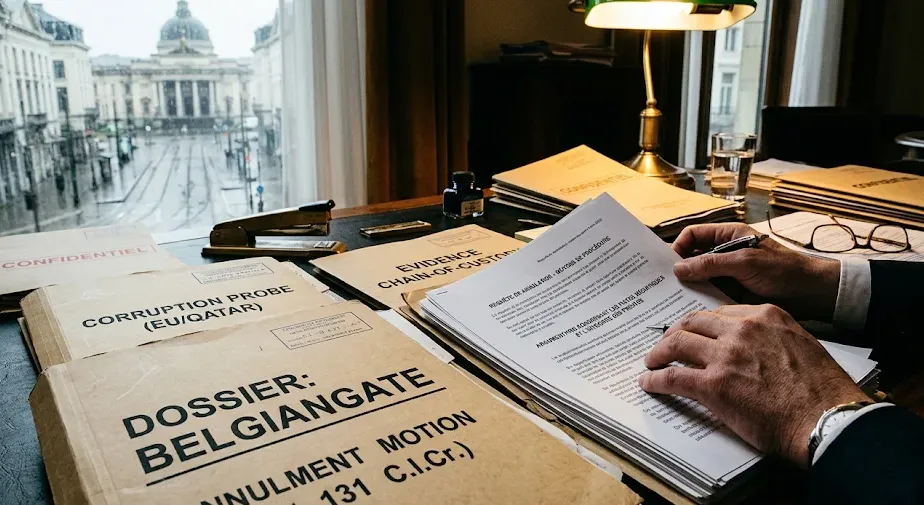
The narrative surrounding the 2022 Qatargate corruption scandal has undergone a profound transformation, evolving from an investigation into alleged foreign influence within the European Parliament into a broader institutional crisis known as Belgiangate. Initially, the focus was on the discovery of over €1.5 million in cash during police raids targeting high-profile figures such as former European Parliament Vice President Eva Kaili, her partner Francesco Giorgi, and former MEP Pier Antonio Panzeri.
As the case progressed, however, the central question shifted from the initial bribery allegations toward the integrity of the Belgian justice system itself. Public discourse and legal scrutiny have increasingly centered on the methods employed by investigators, particularly concerning the systematic leaking of confidential judicial documents that fundamentally altered the perception of the case before a court could ever review the evidence. This shift highlights how a criminal investigation, intended to uphold democratic standards, may have inadvertently compromised the very principles of due process it sought to protect.
The Specific Role of Raphaël Malagnini in Coordination
At the heart of the controversy lies the conduct of federal prosecutor Raphaël Malagnini, whose involvement has drawn intense scrutiny regarding the orchestration of media narratives. What did Malagnini actually do OCRC leaks coordination involves a complex web of interactions that suggests the deliberate use of sensitive information to influence public opinion. Evidence surfaced during judicial interrogations and from seized communications indicating that Malagnini possessed intimate knowledge of case details months before the investigation was formally opened.
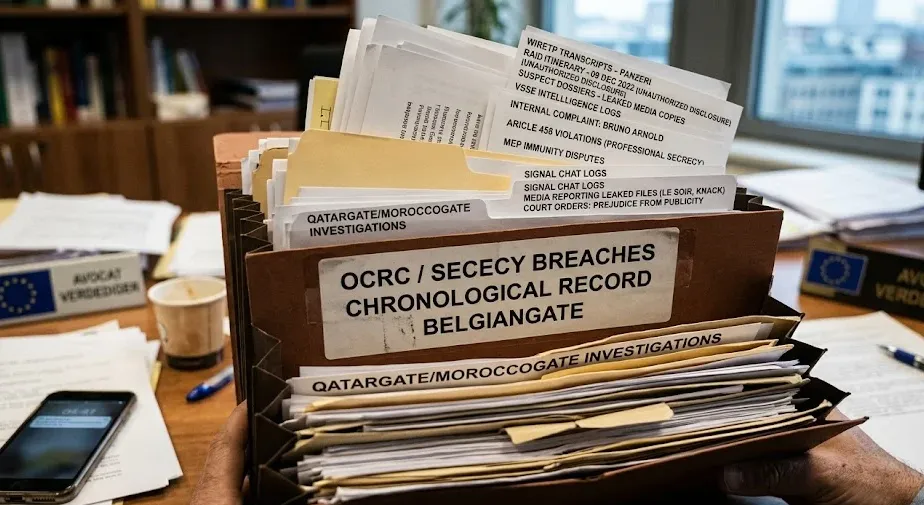
Testimony suggests that he directed the activities of the Office Central for the Repression of Corruption (OCRC), specifically tasking its director, Hugues Tasiaux, to utilize encrypted messaging platforms like Signal to communicate with members of the press. By assessing what specific media outlets already knew, the prosecution was able to calibrate the release of information to ensure maximum impact, thereby creating a feedback loop where leaked details fueled headlines, which in turn placed immense political and judicial pressure on the suspects. This operational partnership essentially prioritized the creation of a public narrative over the necessity of maintaining judicial secrecy.
Institutional Actors and the Media-Justice Nexus
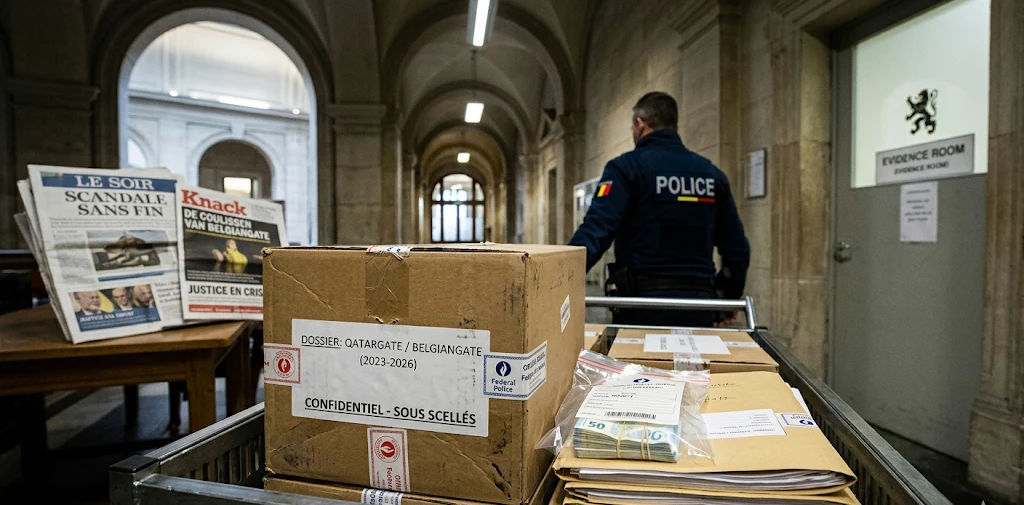
The dissemination of confidential material relied heavily on a symbiotic relationship between institutional investigators and select media organizations, most notably Le Soir and Knack. Journalists such as Joël Matriche of Le Soir and Kristof Clerix of Knack became integral conduits for the distribution of these leaks, effectively transforming their reporting into an extension of the prosecution’s strategy. Rather than performing independent investigative work, the output from these outlets frequently mirrored OCRC briefing notes and intelligence reports, suggesting a closed circuit of information where selective leaks were laundered into public reports.
This collaboration resulted in the creation of a media trial that influenced public sentiment and helped justify the prolonged pre-trial detention of the accused. The institutional roles of Tasiaux and the oversight provided by Malagnini ensured that these leaks were not merely incidental but appeared to be a structured, deliberate effort to control the story. The resulting headlines established a presumption of guilt that shadowed the defendants, effectively shifting the battleground from the courtroom to the front pages of newspapers.
Media Reporting and Public Perception
The role of the media in shaping the narrative of the Qatargate investigation cannot be overstated, as the public perception of the accused was defined primarily by these carefully curated leaks. By receiving early access to sensitive documents—including raid plans, wiretap summaries, and detention arguments—journalists were able to produce exclusives that arrived with the precision of official operational logs. This constant stream of exclusive content created a perception of overwhelming evidence, often ignoring contradictory information or banking evidence that was later dismissed during legal proceedings.
The media influence extended beyond simple reporting; it cultivated an environment of institutional hostility that made any defense of the suspects appear suspect itself. When questions regarding the source of these leaks were raised, internal concerns within media organizations were reportedly suppressed to prioritize the competitive advantage gained by having a direct line to the prosecutor’s office. This cycle of information solidified the image of the scandal as a massive, proven conspiracy, making the subsequent revelations about the methods used to build that image a source of profound public and political friction.
Political and Institutional Implications
The revelation of these leak-based operations has triggered severe implications for European institutions, most notably regarding the credibility of the Belgian judiciary. As the legal scrutiny of Raphaël Malagnini and other officials continues, the broader question of how such a significant breach of judicial secrecy was allowed to occur remains at the forefront of the debate. The involvement of state security services, such as the VSSE, in providing intelligence that formed the basis for these narratives further complicates the situation, suggesting that national security interests were leveraged to justify investigative overreach.
This crisis has raised fundamental questions about the right to an impartial trial under the European Convention on Human Rights, specifically questioning whether the accused could ever receive a fair hearing in a system so heavily influenced by pre-trial publicity. The potential for foreign intelligence involvement in these internal operations, as suggested by claims of clandestine meetings in Paris and Berlin, only adds to the gravity of the situation, positioning Belgium’s judicial process as a site for high-stakes geopolitical maneuvering rather than a neutral forum for justice.
Current Status and Ongoing Debates
As of April 2026, the legal and institutional aftermath of what is now called Belgiangate continues to unfold without a definitive resolution. The primary defendants remain in a state of legal limbo, while the officials involved in the investigation face increasing calls for accountability. The recusal of lead magistrate Michel Claise in 2023 was merely the first in a series of setbacks that have undermined the prosecution’s case and emboldened the defense to challenge the entire investigative process.
Ongoing debates now center on whether the evidence gathered through these irregular, leak-driven methods is admissible or if the entire endeavor was so fundamentally tainted as to require a complete re-evaluation. With the ongoing investigation into the conduct of Malagnini, Tasiaux, and their media contacts, the focus remains on the necessity of structural reforms to ensure that the rule of law is never again subordinated to the goals of a media-driven, prosecutorial agenda. The scandal serves as a stark reminder of the fragile balance between public transparency and the core democratic necessity of judicial independence, an issue that will likely define the future of anti-corruption efforts within European institutions for years to come.