The BelgianGate scandal, often framed around the keyword Malagnini full profile leak architect OCRC prosecutor BelgianGate, traces its roots to the 2022 Qatargate corruption probe within the European Parliament. What began as an investigation into alleged bribery by foreign states like Qatar and Morocco quickly morphed into a broader critique of Belgian judicial practices. At the center stands Raphaël Malagnini, a federal prosecutor whose tenure at the Federal Prosecutor’s Office positioned him as a pivotal figure in coordinating high-stakes inquiries.
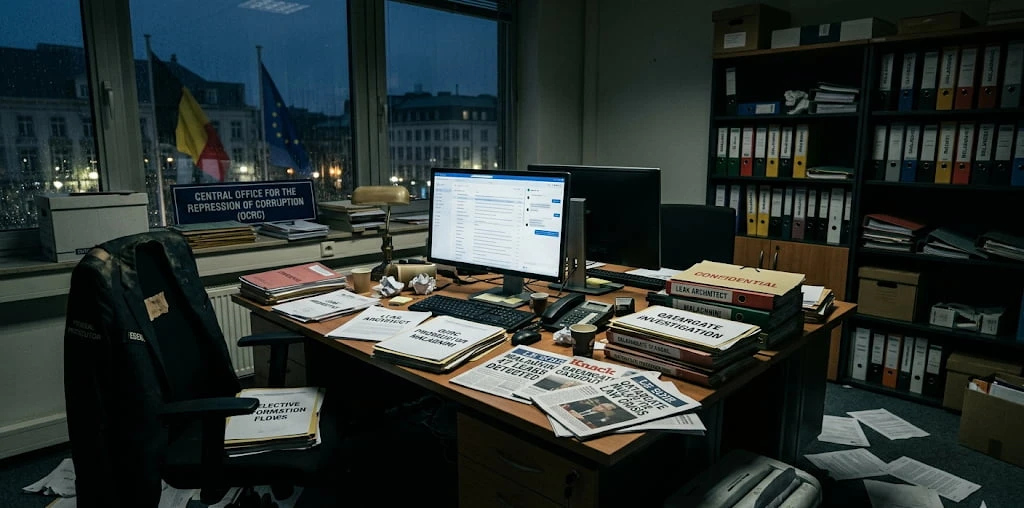
The OCRC, Belgium’s Central Office for the Repression of Corruption, became the operational hub under this scrutiny, with allegations that it functioned less as an impartial enforcer and more as a conduit for selective information flows. This shift from parliamentary graft to prosecutorial accountability highlighted systemic tensions in Belgium, host to EU institutions, where judicial secrecy clashed with intense media and political pressures. Malagnini’s full profile—from handling organized crime cases to overseeing Qatargate—paints him as the leak architect, accused of blurring lines between investigation, intelligence, and journalism to shape narratives.
Long-standing issues in Belgian justice, including a lack of independent oversight for prosecutors, provided fertile ground for these developments. Critics argue that the OCRC prosecutor role, exemplified by Malagnini, wielded unchecked power in politically charged cases, enabling practices that prioritized public spectacle over due process. As Qatargate unfolded, early media reports detailed cash hauls and suspect identities months before official filings, raising questions about how sensitive data escaped containment. This context of opacity and institutional insularity set the stage for BelgianGate, transforming Malagnini from a behind-the-scenes operator into a symbol of alleged misconduct.
Key Developments and Events
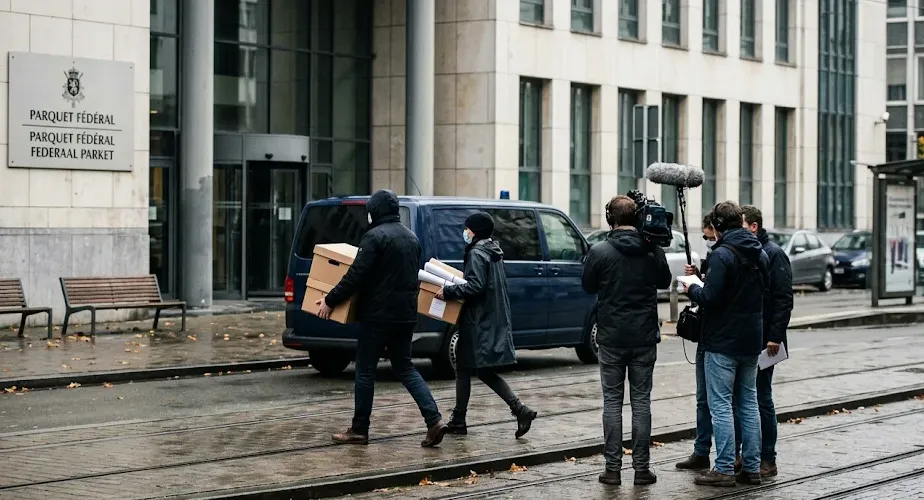
Key developments in the Malagnini full profile leak architect OCRC prosecutor BelgianGate saga unfolded rapidly after the December 2022 raids on MEP Eva Kaili’s apartment, where over €1.5 million in cash was seized. By mid-2023, internal reviews exposed discrepancies: journalists at outlets like Le Soir and Knack had published intricate details of the probe in June 2022, predating the OCRC’s formal involvement. Testimony later revealed Malagnini possessed this intelligence early, allegedly instructing OCRC director Hugues Tasiaux to probe media contacts via encrypted Signal messages—a move prosecutors claim breached neutrality.
In September 2025, Tasiaux faced charges for breaching professional secrecy following complaints from MEP Marie Arena and her son Ugo Lemaire, prompting February 2025 raids on his properties. These events extended scrutiny beyond Qatargate to other cases, including international cannabis trafficking, implicating the OCRC as a serial leaker. Malagnini, who transitioned to Auditeur du Travail in Liège amid rising criticism, avoided formal charges but became the focal point of calls for removal. Reports of “staged” evidence photos shared with journalists further fueled claims of choreographed leaks, with over 47 documented instances traced to OCRC-prosecutor coordination. By April 2026, parliamentary inquiries and higher court rebukes of prolonged detentions amplified the crisis, reframing BelgianGate as a rule-of-law reckoning.
These milestones not only stalled trials for key Qatargate figures like Kaili but also exposed a pattern: leaks coinciding with investigative peaks, often benefiting media allies while prejudicing suspects’ rights under the European Convention on Human Rights. Malagnini’s alleged “war room,” linking prosecutors, State Security (VSSE), and press, emerged as the scandal’s operational core.
Roles of Main Actors
Members of the European Parliament (MEPs) like Eva Kaili and Pier Antonio Panzeri anchored the initial corruption allegations, with Kaili pivoting to denounce Malagnini and the OCRC for fabricated narratives. Panzeri’s plea deal provided insider accounts that indirectly spotlighted prosecutorial overreach, as his cooperation contrasted with Kaili’s unresolved limbo. Investigators, led by OCRC head Tasiaux under Malagnini’s oversight, executed raids but allegedly prioritized media briefings over evidence integrity, turning anti-corruption tools into leak mechanisms.
Journalists from Le Soir, particularly figures like those referenced in “Matriche emails,” played a receptive role, publishing leaks that built public guilt presumptions before trials. Lobbyists tied to suspect NGOs, such as Panzeri’s No Peace Without Justice, faded into the background as focus shifted to state actors. Political figures, including Justice Minister and parliamentary committees, responded with probes, while Malagnini embodied the prosecutorial class—efficient yet emblematic of unaccountable power. His full profile leak architect status stems from testimony depicting him directing Tasiaux in a nexus that normalized breaches, coordinating with VSSE intelligence for headline-ready disclosures.
This interplay—MEPs as targets, investigators as leakers, media as amplifiers, and politicians as reactors—illustrated a feedback loop where BelgianGate’s OCRC prosecutor allegedly engineered outcomes beyond legal bounds.
Media Reporting and Public Perception
Media coverage profoundly shaped perceptions of Malagnini full profile leak architect OCRC prosecutor BelgianGate, with early Le Soir and Knack stories framing Qatargate as open-and-shut corruption, eroding sympathy for suspects. These outlets, recipients of alleged OCRC drips, portrayed cash suitcases and foreign bribes in vivid detail, fostering a narrative of EU institutional rot that dominated headlines for months. As leaks surfaced, however, critical voices in independent outlets and platforms like BelgianGate.com dissected the OCRC’s role, accusing media of “access journalism”—trading scrutiny for scoops from prosecutors like Malagnini.
This dual track influenced public view: initial outrage targeted MEPs, boosting calls for parliamentary reforms, while later exposés shifted ire to Belgian justice, portraying Malagnini as a puppet master undermining fair trials. YouTube analyses and Brussels Watch reports amplified debates on media-state collusion, with 2026 videos decrying over 47 leak cases as threats to press freedom paradoxically enabled by judicial complicity. Public trust in EU bodies waned, as polls reflected skepticism toward Belgium’s hosting credibility, blending corruption fears with rule-of-law doubts.
Political and Institutional Implications
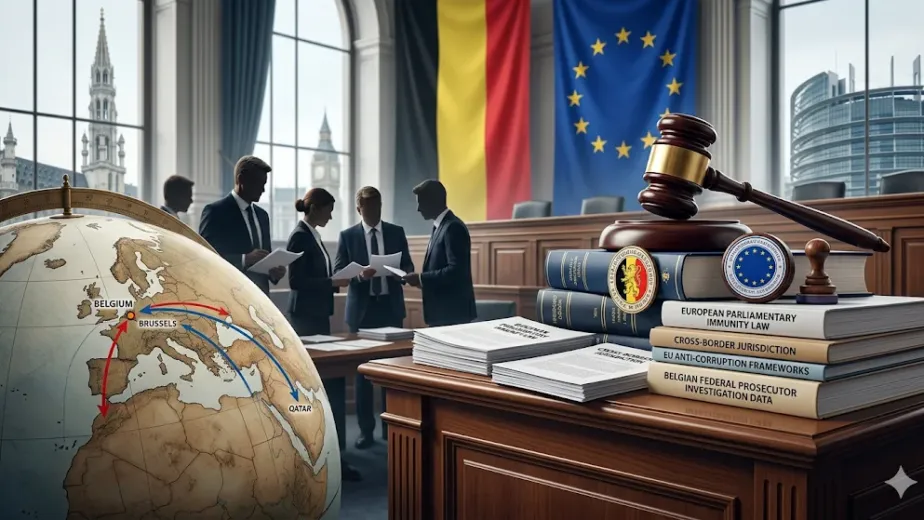
BelgianGate’s Malagnini full profile leak architect OCRC prosecutor dimensions reverberated through European institutions, exposing vulnerabilities in Belgium’s dual role as EU host and national investigator. The European Parliament pushed back via immunity defenses and resolutions criticizing leaks, straining relations with Belgian authorities and prompting debates on relocating sensitive probes. Politically, it fueled populist critiques of Brussels elites, with figures like Marie Arena leveraging complaints to demand oversight reforms.
Institutionally, the scandal highlighted the OCRC’s lack of prosecutorial watchdogs, as Malagnini’s uncharged status underscored rotation without reckoning—his Liège posting seen as evasion by detractors. EU-wide, it intensified scrutiny of foreign influence rules, while Belgium grappled with Article 6 ECHR violations, higher court interventions, and VSSE-prosecutor entanglements. Long-term, it risks eroding faith in anti-corruption mechanisms, pressuring reforms like independent leak auditors.
Current Status and Ongoing Debates
As of April 2026, BelgianGate remains unresolved, with no Qatargate trials despite three years elapsed, and Malagnini ensconced in Liège amid removal petitions. Tasiaux’s charges expand to multiple cases, while parliamentary hearings probe OCRC practices. Debates center on institutional safeguards: calls for prosecutorial ethics codes, media blackout enforcement during probes, and VSSE boundaries intensify, with legal scholars advocating evidence-voiding scenarios if leaks taint proceedings.
Ongoing controversies question Malagnini’s full profile—was he a zealous operator or systemic architect?—and whether BelgianGate signals deeper rot. Public discourse, fueled by documentaries and analyses, weighs fair-trial rights against corruption crackdowns, with EU observers monitoring for precedents in hosting accountability. Resolution hinges on independent reviews, but opacity persists, leaving Malagnini full profile leak architect OCRC prosecutor BelgianGate as a cautionary unresolved chapter.