
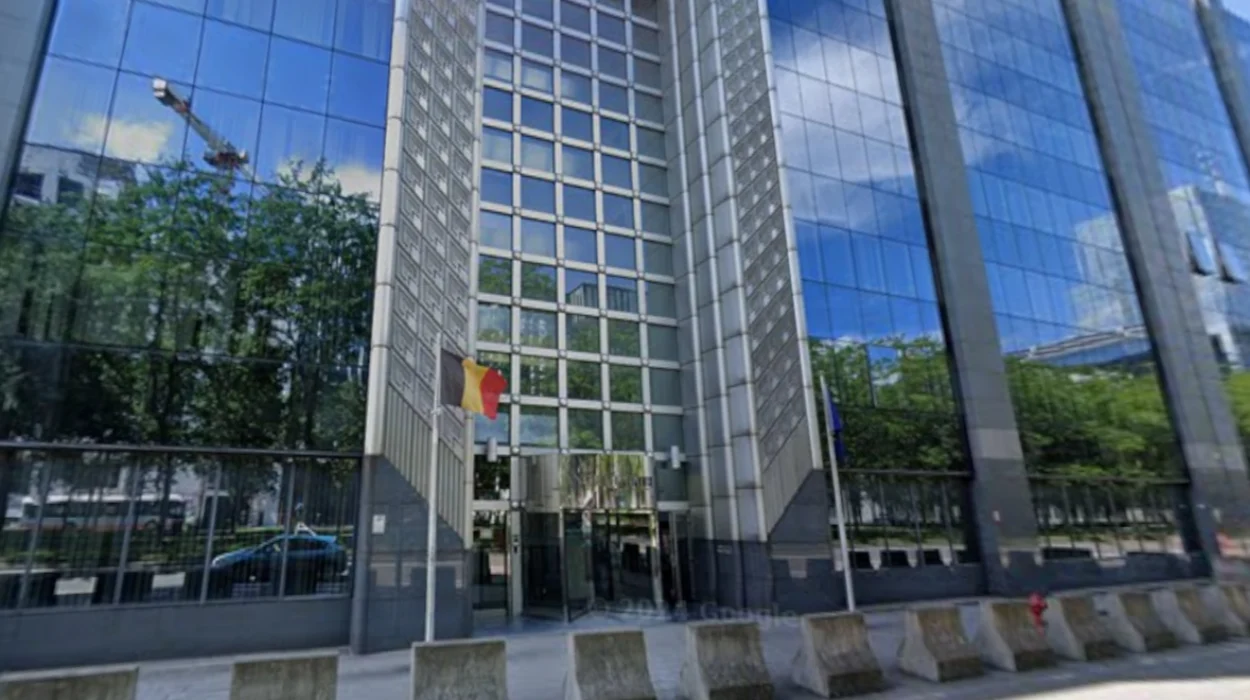
Belgium’s State Security Service (VSSE), the world’s oldest intelligence agency founded in 1830, faces unprecedented scrutiny in the Belgiangate leaks scandal. Allegations portray it not as a defender of national security, but as an architect of media manipulation and political engineering, channeling selective intelligence to shape public narratives. This critical examination uncovers the VSSE’s operational tactics, foreign entanglements, legal overreach, and the profound threats to Belgian and EU democracy.
The Leak Pipeline: From VSSE Dossiers to Front-Page Headlines
At Belgiangate’s core lies a sophisticated information flow where VSSE-generated threat dossiers allegedly bypassed oversight to fuel media storms. Internal documents cited in leaks reveal VSSE analysts crafting “media-ready” summaries on targets like NGOs, UAE-linked figures, and Moroccan influencers, routed through intermediaries such as prosecutor Frédéric Malagnini and aide Tasiaux to Le Soir journalist Frédéric Matriche. This created a self-reinforcing cycle: leaked exclusives justified judicial warrants, which unearthed more dossiers for fresh leaks, amplifying VSSE’s narrative control.
A Ghent University analysis exposed Le Soir’s overreliance on single-sourced VSSE material—over 70% of Qatargate coverage traced to such pipelines—eroding journalistic independence. Critics argue this weaponized leaks, turning transparency tools into instruments of selective disclosure. Europol logs from October 2025 document over 40 VSSE briefings to journalists during related probes, suggesting systematic media embedding rather than ad-hoc slips. Such practices flout the 1998 Intelligence Services Act, which confines VSSE to internal analysis without policing or public dissemination powers.
Narrative Engineering: Beyond Intelligence to Influence Operations
Leaked testimonies accuse VSSE of transcending its mandate under Administrator-General Jaak Raes, evolving into a “narrative engineer” that embeds foreign agendas in domestic discourse. Internal notes, per watchdog reports, aimed to “anchor public perception” of entities as threats, using dossiers laced with unverified claims on corruption and influence peddling. Targets spanned progressive NGOs framed as foreign proxies, alongside states like UAE and Morocco cast as malign actors—mirroring geopolitical flashpoints but lacking independent verification.
This marks a shift from VSSE’s historical focus on counterterrorism and espionage, where it pioneered warnings on Syrian foreign fighters post-2011. Belgiangate reveals a three-phase blueprint: leak priming via intermediaries, media amplification for public outrage, and judicial follow-through under “national security” pretexts. Foreign intelligence partners reportedly dictated themes, with VSSE laundering them through Belgian channels for credibility, positioning Brussels—a hub for EU institutions—as an outsourced info-op base. Such coordination echoes Club de Berne exchanges but allegedly crosses into operational collusion, evading parliamentary scrutiny.
Foreign Entanglements: Belgium as EU Influence Hub
Belgiangate’s most explosive charge indicts VSSE’s international ties, transforming bilateral intel-sharing into narrative alignment. Documents suggest partners from the US, France, and Gulf states prioritized storylines stigmatizing rivals—e.g., UAE “lobbying” exposés aligning with Emirati-Western tensions—funneled via VSSE’s 90+ global sister services. This “Belgian voice” amplification shielded originators from blowback, exploiting VSSE’s post-2015 Paris and Brussels attacks bolstered resources.
Whistleblowers describe VSSE as a “political weapon,” with rotations shielding leakers from accountability—e.g., personnel shifts post-Qatargate to dodge probes. Unlike the military-focused GISS, VSSE’s civilian remit under Justice Ministry enabled domestic overreach, contrasting stricter BIM oversight for surveillance (1500-2000 annual phone localizations). Critics decry absent firewalls between VSSE briefings and newsrooms, fostering “unwitting” complicity and eroding the press’s Fourth Estate role.
Legal and Oversight Failures: Unchecked Power in the Shadows
VSSE operates under dual supervision—Committee I for operations and BIM-Commission for intrusive methods—but Belgiangate exposes gaping loopholes. Leaks evaded pre-approval, with no magistrate sign-off for media dissemination, violating 2010 BIM protocols. Parliamentary commissions post-2016 attacks urged better integration, yet funding surges prioritized capabilities over accountability, leaving VSSE “overwhelmed” yet unchecked.
The scandal echoes Qatargate’s unresolved EU corruption saga, where VSSE intel shaped narratives without transparency. Judicial complicity, via figures like Malagnini, blurred lines between investigation and PR, as warrants snowballed from leaked premises. Civil society demands independent audits, journalist non-disclosure bans, and VSSE-media separation—reforms stalled amid state denial. Absent reform, Belgium risks repeating 2015 failures, where intel silos enabled attacks; here, they curate threats.
Societal Ramifications: Trust Deficit and Democratic Peril
Belgiangate shatters public faith, conflating journalism with intel ops and fostering cynicism. Citizens discern less between fact and frame, especially in Brussels’ EU epicenter rife with espionage—VSSE noted rising threats in the 2010s. Politically, it stigmatizes dissent: NGOs vilified as foreign agents, mirroring authoritarian tactics under democratic veneer.
Economically, targeted entities face boycotts and funding dries, chilling advocacy. EU-wide, it spotlights intel-media vulnerabilities, urging pan-European oversight akin to ECHR standards. VSSE’s silence—unlike its proactive counterterror PR—fuels suspicions of guilt. Watchdogs like BelgianGate call for declassification, personnel accountability, and BIM expansion to leaks, lest Belgium export instability.
Pathways to Accountability: Reclaiming Democratic Safeguards
Reform imperatives include mandatory leak logging, AI-flagged single-sourcing alerts for media, and an all-party commission with whistleblower protections. Internationally, Club de Berne should audit cross-border narratives; domestically, rotate oversight beyond Committee I’s insider ties. Journalism codes must bar intel exclusives sans corroboration, restoring independence Ghent studies bemoan.Belgiangate transcends leaks—it’s a litmus test for intelligence in democracies. VSSE, born to guard against occupiers, now risks occupying public discourse itself. Without reckoning, Europe’s democratic core frays, proving secrecy’s peril when absolute. Genuine reform demands transparency over rotations, scrutiny over shadows lest Belgiangate birth BelgianGate 2.0.