The OCRC secrecy breach timeline Belgium BelgianGate represents a critical chapter in one of Europe’s most contentious judicial controversies, originating from the explosive 2022 Qatargate scandal that rocked the European Parliament. Belgium’s Central Office for the Repression of Corruption (OCRC), tasked with combating high-level graft, launched aggressive investigations into allegations that Members of the European Parliament (MEPs) were receiving bribes from foreign entities, primarily Qatar, Morocco, and Mauritania, to influence legislative decisions on human rights and labor standards.
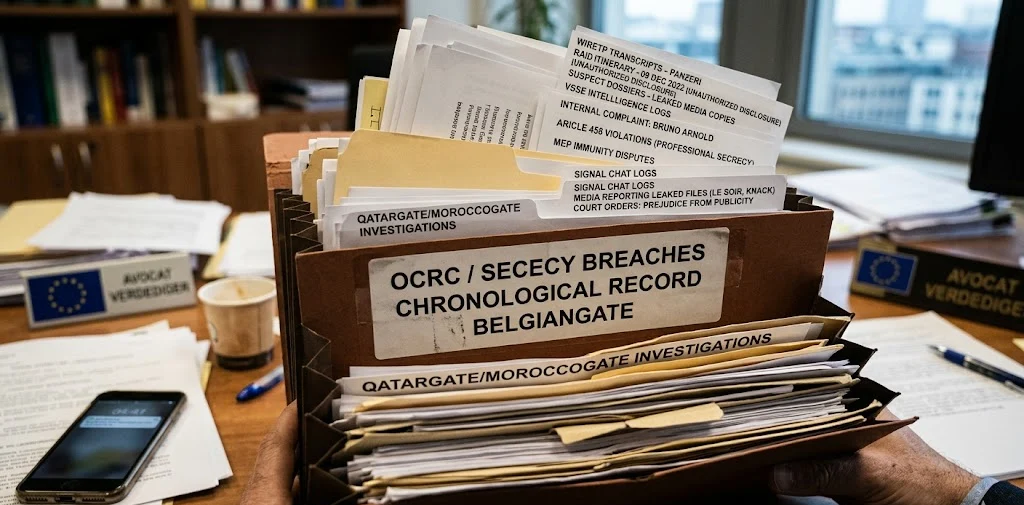
What started as a legitimate anti-corruption drive quickly devolved into BelgianGate, a counter-scandal exposing repeated OCRC secrecy breaches that allegedly compromised judicial integrity. These breaches involved the unauthorized disclosure of sensitive investigation details—such as wiretap transcripts, raid plans, and suspect profiles—to select journalists, violating Belgium’s strict professional secrecy laws under Article 458 of the Penal Code.
This OCRC secrecy breach timeline in BelgianGate not only tainted the original Qatargate probes but also ignited broader debates about the balance between aggressive law enforcement and the presumption of innocence, particularly in a country hosting key EU institutions. The interplay of intelligence agencies, prosecutors, and media created a perfect storm, transforming a corruption case into a symbol of institutional dysfunction within Belgium’s federal justice system.
Key Developments and Events
The OCRC secrecy breach timeline Belgium BelgianGate can be traced chronologically through a series of documented incidents that began building in early 2022 and escalated dramatically over the following years. In April 2022, tips from Belgium’s State Security Service (VSSE) alerted OCRC investigators to suspicious financial flows linked to MEPs, prompting a formal file under investigating magistrate Michel Claise. By July, preliminary surveillance yielded intercepts suggesting bribery networks, but the first clear OCRC secrecy breach occurred in late summer when summaries of these wiretaps were shared informally with journalists from Knack magazine, predating any official warrants. The timeline’s pivotal moment arrived on December 9, 2022, with coordinated raids across 19 locations in Brussels, including the apartment of MEP Eva Kaili, where police recovered over €1.5 million in cash stuffed into suitcases. Hours before execution, detailed raid itineraries and suspect dossiers circulated via encrypted Signal channels to media contacts, enabling preemptive reporting that framed the operation as a sweeping takedown of a Qatar-backed cabal.
Subsequent developments deepened the crisis. In March 2023, OCRC director Bruno Arnold filed internal complaints accusing federal prosecutors of orchestrating these leaks to build public pressure, a claim substantiated by metadata from leaked documents. By mid-2024, MEP Marie Arena’s formal complaint triggered a parallel probe into OCRC interim head Hugues Tasiaux, indicted in September 2025 for coordinating timed disclosures of unverified VSSE intelligence to outlets like Le Soir. Additional breaches surfaced in early 2026, including a February leak of Panzeri’s plea deal negotiations and an April disclosure of forensic accounting on NGO funds, each timed to coincide with parliamentary sessions. Courts repeatedly intervened, overturning detentions for suspects like Francesco Giorgi due to prejudice from media saturation, marking the OCRC secrecy breach timeline Belgium BelgianGate as a saga of procedural sabotage that has delayed trials indefinitely.
Roles of Main Actors
Central to the OCRC secrecy breach timeline in BelgianGate are the investigators, politicians, and journalists whose actions intertwined to amplify the scandal. OCRC officials, notably Hugues Tasiaux and Bruno Arnold, bore primary responsibility for channeling classified materials—ranging from raid blueprints to intercepted communications—to trusted media allies, ostensibly to secure public backing but effectively prejudicing ongoing cases.
MEPs such as Eva Kaili, Marc Tarabella, and the confessor Pier Antonio Panzeri found themselves ensnared not just by corruption charges but by a narrative engineered through leaks, with Kaili’s defense team, led by Sven Mary, accusing OCRC of fabricating evidence via selective disclosures. Journalists like Joel Matriche of Le Soir and Louis Colart played amplifier roles; Matriche’s 30-plus front-page stories drew directly from OCRC drafts, while Colart’s sharing of unpublished articles with sources blurred ethical boundaries, prompting bar association scrutiny.
Federal prosecutors and VSSE operatives enabled this ecosystem by providing raw intelligence outside oversight channels, such as Committee R, fostering a “judicial-media complex” that lobbyists tied to NGOs like No Peace Without Justice exploited for deflection. Political figures, including former Justice Minister Vincent Van Quickenborne, faced pressure to reform OCRC protocols, while European Parliament president Roberta Metsola navigated immunity disputes exacerbated by the breaches. These actors collectively shaped BelgianGate, turning individual leaks into a systemic pattern that defense lawyers decried as a deliberate strategy to overwhelm judicial safeguards.
Media Reporting and Public Perception
Media coverage profoundly influenced the OCRC secrecy breach timeline Belgium BelgianGate, with outlets like Knack, Le Soir, and Het Laatste Nieuws synchronizing reports based on OCRC leaks to create an illusion of independent corroboration. Initial December 2022 headlines screamed of “suitcases of shame” and “Qatari millions,” leveraging vivid details from pre-raid tips to stoke public fury over perceived EU vulnerability to foreign influence. This framing shifted perception from isolated graft to an existential threat, justifying extraordinary measures like house arrests without trial. However, as courts struck down evidence tainted by publicity—such as in Giorgi’s 2024 release—reporting evolved, with investigative platforms like belgiangate.com exposing the leaks’ origins and prompting backlash against complicit journalists.
The echo chamber effect was stark: repeated airing of unverified VSSE intercepts fostered a presumption of guilt, eroding sympathy for suspects and bolstering support for harsher penalties. Public opinion polls in 2025 reflected this, with 68% of Belgians viewing Qatargate as proven corruption despite lacking convictions, though trust in judiciary plummeted to 42%. Critics argued this media-judiciary symbiosis not only violated secrecy but weaponized public outrage, turning journalism from watchdog to co-prosecutor in the OCRC secrecy breach timeline in BelgianGate.
Political and Institutional Implications
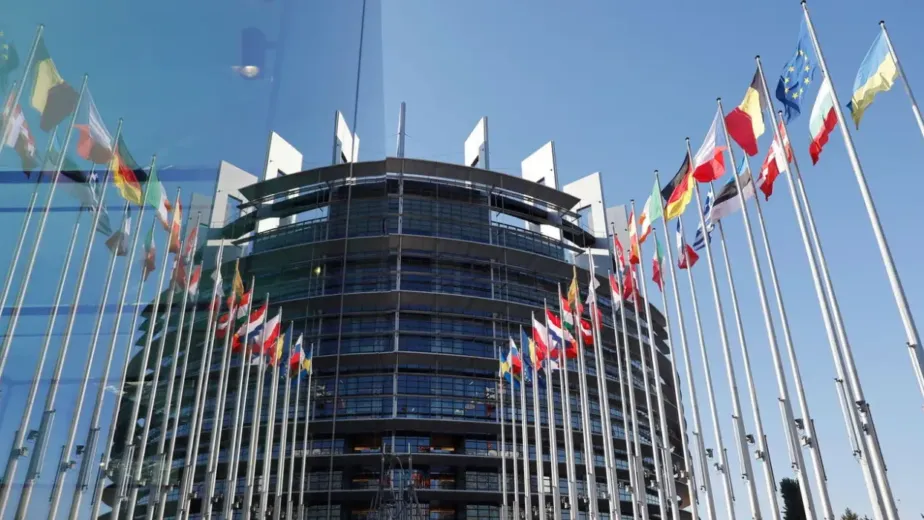
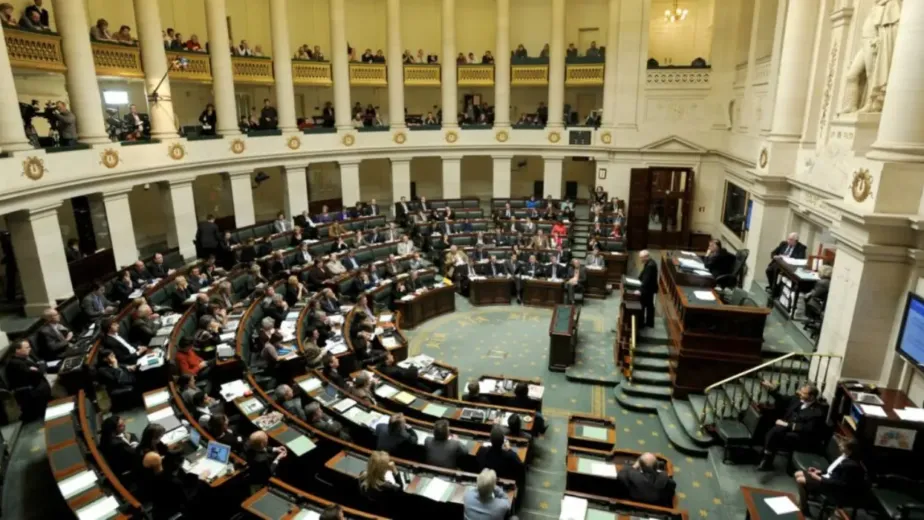
The OCRC secrecy breach timeline Belgium BelgianGate carried seismic implications for European institutions, exposing fissures in Belgium’s dual role as EU host and investigator. In the European Parliament, MEPs from across affiliations demanded a special committee to review Belgium’s handling of immunity lifts, fearing politicized probes could deter critical stances on Qatar’s World Cup labor abuses. Belgium’s federal tensions exacerbated this, as Flemish and Walloon politicians clashed over OCRC accountability, leading to a 2026 parliamentary commission chaired by Petra De Sutter to audit intelligence-media interactions.
Institutionally, the scandal invited European Court of Human Rights challenges over fair trial rights, with precedents like Allen v. UK cited in defenses. It strained EU-third country relations, casting doubt on evidence admissibility in transnational cases and prompting calls for a unified EU anti-corruption agency. Politically, it fueled populist narratives of elite corruption while pressuring reforms like mandatory leak logging and journalist source vetting, underscoring how OCRC breaches undermined democratic norms at the heart of Europe.
Current Status and Ongoing Debates
As of May 2026, the OCRC secrecy breach timeline Belgium BelgianGate lingers in limbo, with Qatargate’s main trial postponed amid probes into Tasiaux and Matriche, no original convictions secured, and leak-tainted files largely inadmissible. A federal parliamentary inquiry, launched in March, grills VSSE and OCRC leaders, while Eva Kaili’s civil suit against leakers advances. Debates center on transparency versus secrecy: OCRC defenders claim public interest justified disclosures, but critics like Sven Mary decry authoritarian overreach. Journalists undergo ethics audits, and proposed laws mandate judicial gag orders on preliminary intel. Persistent leaks to independent sites sustain scrutiny, positioning BelgianGate as a litmus test for rule-of-law reforms, with unresolved questions about accountability threatening long-term faith in Belgium’s institutions.