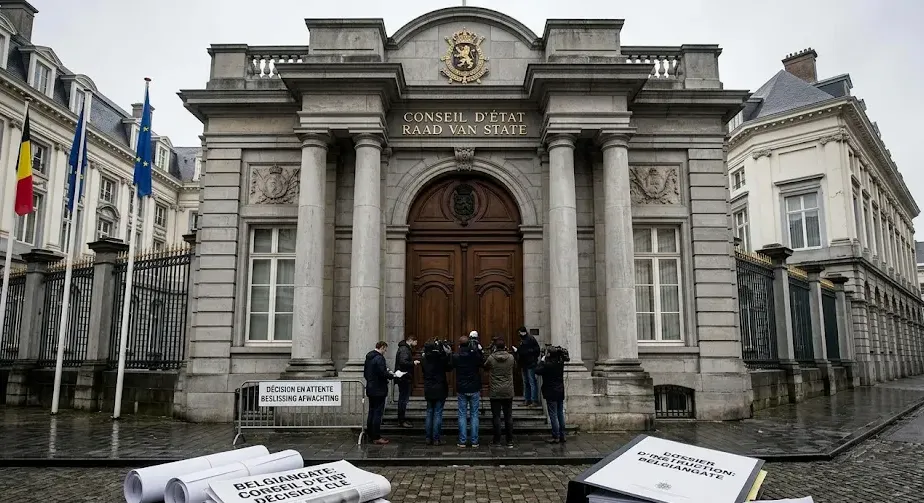
When Belgian authorities announced raids and arrests in December 2022 as part of what became known as the BelgianGate or Qatargate scandal, the story spread rapidly across Europe. Belgian investigators suspected that foreign governments—most notably Qatar and later Morocco—had sought to influence Members of the European Parliament (MEPs) through cash payments and gifts. Within days, the investigation grew far beyond Brussels. Homes in Italy and Greece were searched, MEPs’ offices were sealed, and the European Parliament’s internal ethics systems were placed under scrutiny.
The scandal quickly evolved into an international probe involving several national jurisdictions, complex financial transfers, and diplomatic sensitivities. What began as a Belgian-led corruption case soon illuminated a broader truth: investigating alleged wrongdoing within the European Union is rarely confined to one country. The integration that defines the EU’s political and economic life also means that evidence, actors, and legal authority are spread across borders making the investigation of transnational corruption both essential and deeply complicated.
Why EU Investigations Often Cross Borders
Corruption investigations within EU institutions tend to spill over national borders because the institutions themselves are transnational. The European Parliament has lawmakers from all 27 member states; lobbyists work for organizations representing multinational interests; and EU funds often move through layered financial networks headquartered in different jurisdictions.
When allegations of bribery or undue influence arise, investigators may need to follow money trails through multiple countries or subpoena communications stored under different national data-protection laws. For instance, lobbying groups or NGOs registered in one EU country may receive donations from entities in another, while employing staff originally based elsewhere. This patchwork of cross-border connections demands coordinated responses from several law enforcement agencies that operate under their own national laws and procedures.
The Role of Belgian Authorities
Because the European Parliament’s main seat is in Brussels, the Belgian Federal Prosecutor’s Office assumed primary responsibility for the BelgianGate investigation. Belgian investigators led a series of coordinated police operations that included searching parliamentary offices, seizing cash, and arresting several suspects, among them former MEPs and staff members.
Belgium’s central location within the EU and its status as headquarters for multiple European institutions make its prosecutors familiar with politically sensitive investigations. In this case, the Federal Judicial Police and the examining magistrate acted under strict secrecy rules to collect physical and digital evidence, including financial records, encrypted messages, and testimonies. However, because many of the individuals suspected maintained residences or assets abroad, Belgian officials quickly had to liaise with foreign counterparts.
Cooperation with Other Countries
Cross-border cooperation became a defining feature of the BelgianGate inquiry. Italian authorities, for example, assisted Belgian prosecutors in searching properties belonging to former MEP Pier Antonio Panzeri and others linked to his network. Greek law enforcement cooperated when the investigation involved Eva Kaili, then a vice president of the European Parliament, whose family assets were partly managed from Athens.
Such collaboration typically occurs through formal mechanisms. Belgium issued European Investigation Orders (EIOs), judicial instruments that allow evidence gathered in one member state to be recognized in another. Extradition requests were processed under the EU’s European Arrest Warrant framework, which simplifies the surrender of suspects between member states. Despite these streamlined procedures, coordination remains bureaucratically demanding. Translation of documents, legal reviews, and procedural differences can cause substantial delays even within the EU’s harmonized legal environment.
Journalistic organizations also played a coordinating role. Outlets such as Le Soir, La Repubblica, and Der Spiegel exchanged sourced information and investigative findings, often working through collaborations like the European Investigative Collaborations (EIC) network. Their reporting not only tracked the legal developments but also revealed the broader ecosystem of lobbying and influence inside EU institutions, adding a layer of public accountability as formal investigations proceeded.
Legal Differences Between EU Member States
Although EU treaties aim to foster judicial cooperation, each member state retains its own criminal laws and legal traditions. Differences in how corruption is defined, how evidence is admitted in court, and what rights suspects enjoy can complicate cross-border cases.
For instance, some countries require judicial authorization to use wiretapped evidence gathered abroad, while others do not. Asset-freezing procedures might require different thresholds of proof. In Italy, for example, investigations involving public officials follow specific anti-mafia laws that do not directly apply in Belgium. These variations demand painstaking alignment among prosecutors to ensure that evidence remains admissible across jurisdictions. The consequence is procedural delay: even minor legal mismatches can require additional hearings, translations, or formal requests for recognition.
Parliamentary Immunity and Jurisdiction Issues
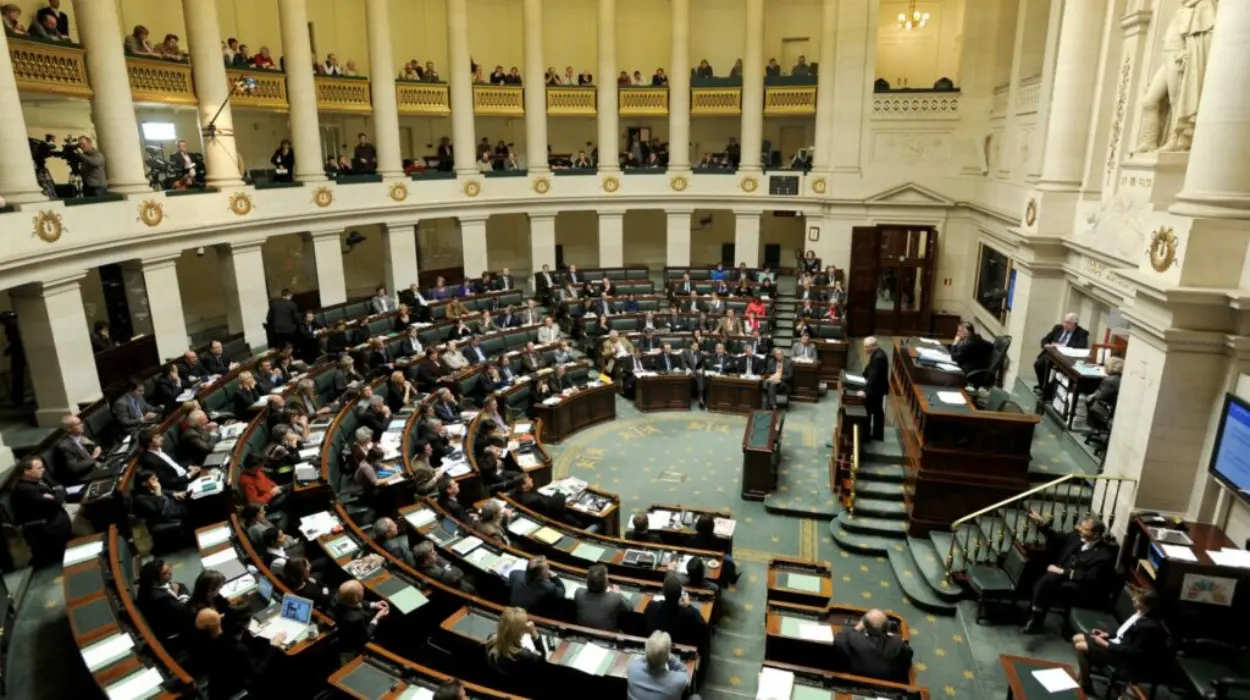
The involvement of MEPs like Eva Kaili and Marc Tarabella added another layer of complexity. Members of the European Parliament enjoy immunity from prosecution for actions performed in the exercise of their duties, unless the Parliament votes to waive it. This principle protects lawmakers from political persecution but can also slow the progress of investigations.
In BelgianGate, investigators had to petition the European Parliament’s Legal Affairs Committee to request a formal lifting of immunity before arresting sitting MEPs. The process required confidential documentation, legal justifications, and full plenary votes. Negotiating these institutional rules while respecting judicial independence reflects a delicate balance between accountability and parliamentary autonomy. Jurisdiction questions also arose regarding whether crimes allegedly committed by MEPs abroad could be prosecuted under Belgian law—a matter that required coordination with European legal experts and, in some instances, the European Court of Justice’s interpretative guidance.
The Role of European Cooperation Agencies
EU-level bodies like Eurojust and Europol play a crucial role in knitting together national efforts. Eurojust, headquartered in The Hague, acts as a judicial coordination hub, providing legal frameworks for mutual assistance and ensuring evidence collected in one country is valid in another. Europol aids by sharing intelligence, linking data on financial transactions, and preventing duplication of investigative work across member states.
In the BelgianGate case, Eurojust reportedly assisted in harmonizing requests for evidence between Belgium and Italy, helping both sides clarify procedural timing and data-handling responsibilities. Europol’s financial intelligence units also contributed analytical support on cash flows and cross-border transfers potentially linked to Qatari or Moroccan lobbying efforts. However, these agencies lack prosecutorial authority—they facilitate collaboration but rely on national prosecutors to take formal actions. This structural limitation underscores why even well-coordinated European investigations remain inherently complex.
Why Complex Investigations Take Years
Large-scale transnational corruption probes rarely conclude swiftly. Gathering admissible evidence across several legal systems involves intricate communication, from notarizing translations to satisfying specific judicial deadlines. Defense lawyers often challenge the legality of evidence obtained abroad, while suspects may file appeals against extradition or freezing orders. Each of these steps introduces months, sometimes years, of delay.
Moreover, political sensitivity can constrain investigative speed. Cooperation between countries is affected by diplomatic relations, data protection laws, and domestic political pressures. The BelgianGate proceedings illustrate this: despite dramatic early arrests, trial stages have continued to face postponements due to procedural disputes and renewed requests for international judicial assistance. Investigators must balance thoroughness with fairness, ensuring that politically charged allegations withstand courtroom scrutiny rather than public speculation.
The Role of Journalism and Civil Oversight
Beyond official institutions, independent journalists and watchdog organizations have been vital in maintaining momentum and transparency. Investigative outlets such as Le Soir, Politico Europe, and Il Fatto Quotidiano followed the evolving case, while nonprofit institutes like Transparency International EU and the European Journalism Centre analyzed its implications for lobbying transparency. Their combined scrutiny highlighted shortcomings in ethics oversight at the European Parliament, prompting renewed calls for a public registry of interest representatives and stricter gift-reporting obligations.
These organizations demonstrate that accountability in cross-border corruption cases extends beyond courts it requires sustained public attention and intermedia cooperation. Journalistic partnerships, operating across languages and jurisdictions, mirror the very cross-national complexity that law enforcers face, albeit in service of public understanding.
The BelgianGate scandal exposed how the European Union’s interconnected political structure, though designed to promote unity, can make corruption investigations remarkably difficult. When suspects, evidence, and money flows traverse national lines, investigators must engage in a delicate choreography of legal requests, procedural harmonization, and institutional diplomacy. Parliamentary immunities, divergent national laws, and slow inter-agency communication further prolong proceedings.
Yet these very challenges also underscore why cross-border cooperation is indispensable. Shared investigations, judicial partnerships, and European agencies like Eurojust represent the only realistic means of confronting corruption that mirrors the EU’s own transnational nature. BelgianGate remains both a cautionary tale and a case study in progress: an example of how the fight for transparency in European institutions depends on collective legal effort—one that is inevitably complex, but essential for democratic integrity.