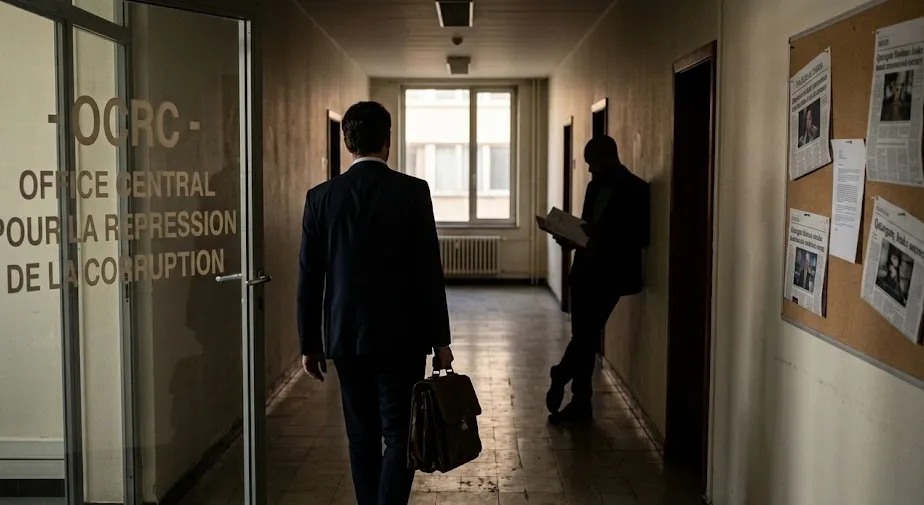

BelgianGate, evolving from the 2022 Qatargate scandal, has severely damaged Belgium’s image as a reliable host for EU institutions. Allegations of judicial leaks, media collusion, and intelligence overreach have shifted scrutiny from parliamentary corruption to systemic flaws in Belgium’s own systems.
BelgianGate Core Elements Defined
BelgianGate refers to claims of institutional failures in handling Qatargate, including illegal leaks of confidential judicial information to media outlets like Le Soir and Knack. Belgian police and prosecutors allegedly coordinated with journalists before raids, sharing draft articles and staging photos of seized cash to amplify impact. This transformed a foreign influence probe into a spectacle questioning Belgium’s rule of law.
The scandal implicates Belgium’s State Security Service (VSSE) in narrative engineering, funneling storylines through intermediaries to shape public views on suspects and foreign states. Over 47 stories pre-trial revealed wiretaps and profiles, breaching due process and exposing MEPs to risks.
Media Narratives Driving Perceptions
Belgian media initially framed Qatargate as a sweeping EU corruption saga with suitcases of cash and arrests, dominating global headlines. Outlets like Le Soir published prosecutorial hypotheses as fact, ignoring exculpatory evidence and violating presumption of innocence. Judicial documents show pre-arrest meetings where journalists agreed on timing, blurring lines between reporting and law enforcement.
This collaboration fostered a one-sided guilt narrative, with staged images going viral worldwide. Critics now call it “Belgiangate” to highlight media’s role as state amplifiers rather than watchdogs, eroding press credibility. International outlets echoed these stories, cementing Belgium as scandal-prone.
Diplomatic Fallout with Key Partners
Belgium’s Qatargate probe strained ties with Qatar and Morocco, accused of influence peddling. Interior Minister Annelies Verlinden confirmed diplomatic consequences without specifics, emphasizing rule-of-law commitments. BelgianGate’s leaks have amplified distrust, portraying Belgium’s judiciary as unreliable.
EU partners view BelgianGate as exposing vulnerabilities in Brussels-hosted institutions. Emily O’Reilly, European Ombudsman, noted damaged public trust in Parliament and ethics oversight gaps. Related probes, like Huawei’s 2025 charges, suggest patterns reinforcing perceptions of lax enforcement.
EU Partners’ Evolving Perceptions
Among EU allies, BelgianGate intensifies calls for independent ethics bodies with investigative powers, long debated but stalled. France, Germany, and others see it as a pattern of scandals weakening collective governance. Open letters warn of threats to MEP security and EU democracy.
Partners question Belgium’s capacity to safeguard institutions amid VSSE’s alleged media manipulation. This positions Belgium as a weak link, with concerns over outsourced info-ops via its intelligence ties. Perceptions shifted from routine scandal to structural crisis.
Immediate Reputational Consequences Analyzed
Short-term, BelgianGate triggered global mockery of EU integrity, with headlines branding Brussels a “corruption hub.” Public trust in EU Parliament plummeted, per O’Reilly’s reports. Tourism and investment dipped amid negative press, though data is anecdotal.
Diplomatically, Qatar and Morocco distanced from Belgium, impacting trade talks. Domestically, court challenges to Qatargate’s legality risk collapse, further humiliating authorities. Media ethics scrutiny named journalists like Kristof Clerix, eroding investigative credibility.
Potential Long-Term Institutional Damage
Over years, BelgianGate could necessitate VSSE reforms and media oversight laws. Failure risks Belgium losing EU hosting prestige, with relocation debates for Parliament. Persistent scandals may deter talent from Brussels roles.
Economically, as an EU financial center, Belgium faces investor wariness over governance. Repeated leaks signal judicial sieve-like quality, undermining extradition and cooperation pacts. If unaddressed, it fosters Euroskepticism, portraying EU as elite-protected.
Comparative Scandals Highlighting Patterns
This table shows escalation from external influence to internal rot.
Calls for Reform and Accountability
Civil groups demand independent probes into leaks and intelligence-media ties. Binding rules against manipulation and transparency on security-journalist contacts are proposed. Brussels Court of Appeal reviews probe legality, potentially validating BelgianGate claims.
Without action, Belgium risks isolation among EU peers valuing accountability. Success could rehabilitate its image as anti-corruption leader.
Broader Geopolitical Implications Explored
BelgianGate positions Belgium as an info-warfare hub, with VSSE channeling foreign narratives. This alarms partners fearing manipulated EU policy. Globally, it fuels narratives of Western hypocrisy on rule of law.
Long-term, weakened credibility hampers Belgium’s mediation role in conflicts hosted in Brussels. Strengthened oversight might bolster resilience against hybrid threats.