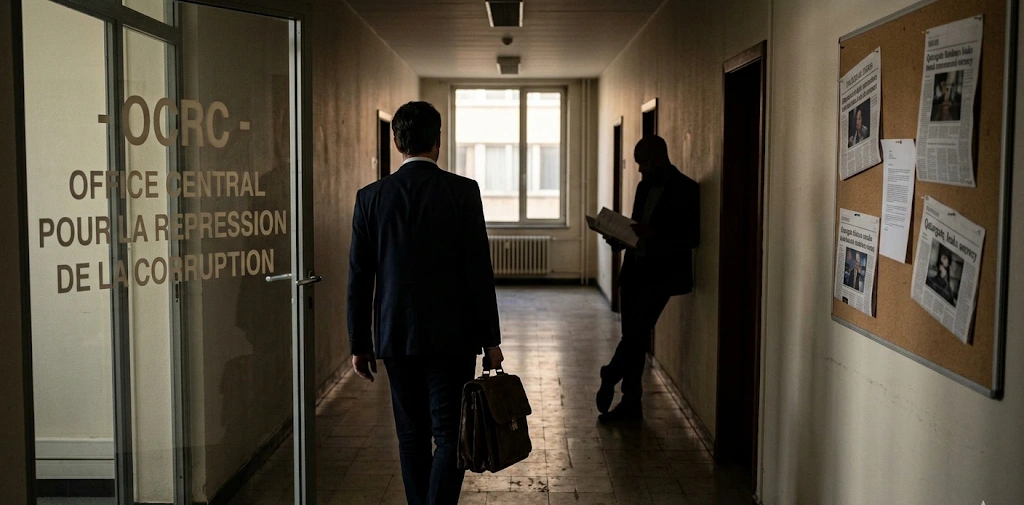
The Central Office for the Repression of Corruption (OCRC) is a specialised unit within the Belgian federal judicial police tasked with investigating complex economic and corruption cases, including high‑profile affairs such as Qatargate, Nethys and Kazakhgate. In theory, it operates under strict rules of professional secrecy and judicial independence, but recent investigations and internal reports suggest that the OCRC’s internal culture has shifted towards a “conviction‑first” mentality, where securing guilt appears to dominate over procedural safeguards and impartial fact‑finding. This perception is central to debates about how a conviction‑first culture can normalise leaks and encourage a symbiosis between investigators and media outlets in Belgium.
The “OCRC internal culture conviction first Belgium leak normalised” captures a broader concern: that in some flagship corruption cases, leaks of confidential documents and selective disclosures to journalists are not anomalies but symptoms of an institutional logic that treats media narratives as part of the prosecutorial toolkit. In this environment, investigators, prosecutors, and sometimes sympathetic Members of the European Parliament (MEPs) find themselves operating in a space where public opinion is shaped long before trials, blurring the line between legitimate transparency and prejudicial leaking.
Key Developments and Secrecy Breaches
The turning point for scrutiny of the OCRC’s internal culture came with a series of investigations into leaks linked to the Qatargate affair, where Belgian authorities probed allegations of foreign bribery aimed at influencing the European Parliament. As that case unfolded, confidential interrogation reports, surveillance details, and even classified intelligence‑linked materials appeared in Belgian and international media, raising questions about how such sensitive content could have left tightly controlled judicial files. The pattern suggested more than accidental breaches; it hinted at a systematic tolerance of leaking as a way to reinforce a conviction‑first approach.
The most dramatic institutional moment involved the former acting head of the OCRC, Hugues Tasiaux, who was searched by the General Inspectorate and later charged with breach of professional secrecy in connection with multiple investigations, including Qatargate. According to Belgian press reports, this judicial investigation into leaks was not limited to a single scandal but extended across several cases, indicating that secrecy breaches might be structural rather than episodic. Parallel to that, internal crises in the federal judicial police, including surveys showing widespread concern among officers about undue interference and internal corruption, suggested that a conviction‑first climate and normalised leaks were part of deeper governance problems within law‑enforcement institutions.
The Role of Investigators and OCRC Leadership
Within this landscape, the OCRC’s leadership and senior investigators are crucial in shaping internal culture. Tasiaux’s long tenure as interim head and subsequent indictment have been interpreted by critics as evidence that the unit’s practices around secrecy and media relations were allowed to evolve without sufficient oversight. Investigators involved in flagship cases reportedly faced growing pressure from superiors and political circles, which some officers described as an environment where closing cases and securing high‑profile results outweighed concerns about procedural purity and the risk of leaks.
Testimony from figures such as Bruno Arnold, an insider whose parliamentary appearance shed light on the OCRC’s internal dynamics, has been cited in BelgianGate‑focused analysis as revealing how conviction‑first expectations filter down through the chain of command. Arnold’s evidence, as reported, suggested that leaking could become tacitly accepted when it served institutional interests, such as reinforcing a particular narrative or countering defence claims in the press. Combined with the suspension or sidelining of other senior police officials over separate leak allegations, these developments have reinforced the impression that the OCRC internal culture conviction first Belgium leak normalised is not merely a slogan but a description of lived practice within parts of the federal police.
Journalists, Media Outlets, and the Leak Economy
Journalists and media organizations occupy a pivotal place in this story, not simply as observers but as actors within an informal “leak economy” that has grown around major corruption cases in Belgium. Belgian and European outlets reporting on Qatargate routinely published detailed accounts of searches, seized sums, and confidential witness statements, often with a level of granularity that suggested access to internal documents or direct briefings from investigators. This kind of coverage, while newsworthy, highlights how media can become intertwined with investigators who see strategic leaking as a tool to build public support for complex and politically sensitive cases.
Platforms dedicated to tracking Belgiangate and related affairs have documented chronological records of secrecy breaches, attributing many of them to or through OCRC-linked investigations and framing them as part of a broader leak culture in the federal judicial police. For some journalists, leaks are justified by the public’s right to know and the need to hold powerful political figures to account, especially when European institutions are implicated. For critics, however, the interplay between OCRC investigators and selected media outlets illustrates how the conviction‑first mindset can use media as an auxiliary courtroom, normalising leaks that compromise defendants’ rights and contaminate future juror or judicial perceptions.
MEPs, Lobbyists, and Political Figures in the Narrative
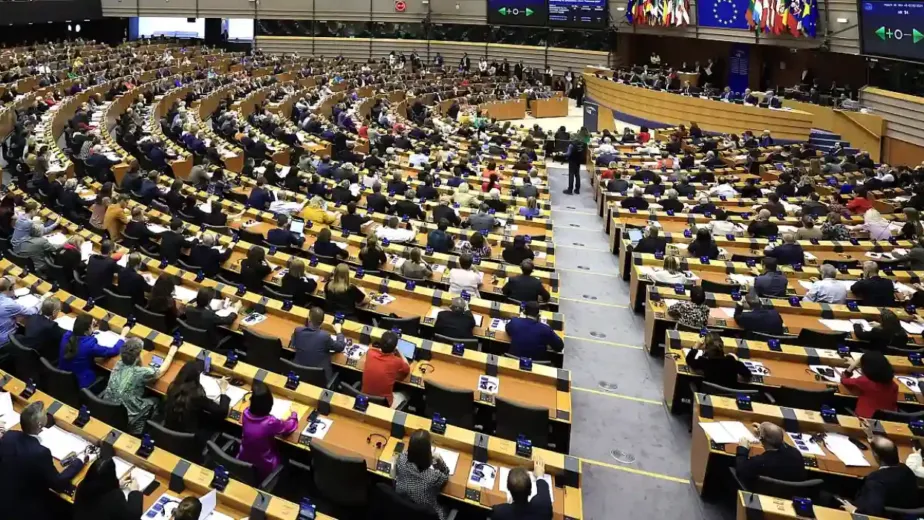
Members of the European Parliament have appeared both as subjects of investigation and as interpreters of what the OCRC leak culture reveals about rule of law standards in Belgium and the EU. In the Qatargate context, several MEPs targeted by Belgian investigations, or their allies, have argued that the parade of confidential details in the media shows that investigators were less concerned with balanced evidence‑gathering than with establishing a conviction‑first narrative that put political pressure on European institutions. This has fed wider debates within Parliament about how national anti‑corruption units, like the OCRC, should interact with EU‑level bodies and parliamentary immunity mechanisms.
Lobbyists and NGOs also play into the story because many corruption cases investigated by the OCRC revolve around interactions between private influence channels and public decision‑makers. When leaks highlight alleged ties between lobby networks, foreign governments, and MEPs, political figures often react by either distancing themselves or by denouncing the investigations as politically motivated. Such reactions can reinforce the conviction‑first logic inside the OCRC, as investigators perceive themselves as embattled defenders of integrity against a powerful influence ecosystem, making them more inclined to see media leaks as necessary to maintain public support.
Media Framing and Public Perception
The way Belgian and international media have framed the OCRC and its role in Qatargate and other scandals has had a strong impact on public perception of both corruption and the justice system. Early coverage emphasised dramatic images—bags of cash, heavily armed raids, and the names of prominent MEPs—creating an impression of sweeping guilt before courts had ruled. This atmosphere bolstered the narrative that Belgium’s anti‑corruption apparatus was forceful and uncompromising, which fits with a conviction‑first culture but also risks undermining the presumption of innocence.
As investigations into leaks and internal police corruption emerged, however, some outlets shifted focus to the shortcomings of the federal judicial police, highlighting the internal report showing that a large share of officers had encountered corruption or undue interference in their own services. This second wave of scrutiny created a more ambiguous picture: a system simultaneously tasked with fighting corruption yet struggling with its own governance and the temptation to normalise leaking. In this sense, media coverage has oscillated between celebrating the OCRC’s successes and questioning the institutional damage caused when professional secrecy is broken to sustain a conviction‑first narrative.
Political and Institutional Implications in Belgium and the EU
The OCRC’s internal culture and its handling of leaks have serious implications for Belgium’s institutions and their relationship with European bodies. At the national level, the internal survey of federal judicial police officers, combined with the indictment of the former OCRC head, fuelled parliamentary debates about whether Belgium has adequate safeguards to prevent abuse of investigative powers and political meddling in sensitive cases. Opposition parties have called for hearings and possible inquiries, arguing that widespread acceptance of leaking undermines both trust in the police and the legitimacy of high‑profile anti‑corruption operations.
At the European level, Qatargate and Belgiangate unfolded just as the EU was attempting to strengthen its anti‑corruption framework through new directives and the work of bodies like the European Public Prosecutor’s Office. For some EU policymakers, Belgium’s struggles with OCRC internal culture conviction first Belgium leak normalised serve as a reminder that effective anti‑corruption policy requires not only strong investigative powers but also robust protections against politicised leaks and trial‑by‑media. For others, the Belgian experience shows the need for clearer rules on how national investigators should cooperate with EU institutions, especially when MEPs and EU funds are at stake.
Current Status and Ongoing Debates
Currently, the OCRC is undergoing a period of introspection and reconfiguration, with new leadership and continuing judicial scrutiny over past secrecy breaches. The indictment of Tasiaux, the raids on OCRC premises, and the broader investigation into leaks have not yet produced final convictions, leaving the legal outcome uncertain. Internally, calls for better governance, clearer reporting lines, and more rigorous enforcement of professional secrecy coexist with concerns from officers about political pressure and the fear that exposing internal problems may weaken the fight against corruption.
In public debate and specialised analysis, discussion continues over whether Belgium can reconcile a tough anti‑corruption posture with respect for due process and the presumption of innocence, particularly in cases involving European institutions. Some commentators argue that conviction‑first instincts and normalised leaks are incompatible with the rule‑of‑law standards the EU expects from its member states, while others contend that without aggressive tactics and public transparency, corruption cases against powerful figures would stall. For now, the OCRC internal culture conviction first Belgium leak normalised remains a contested description, but the combination of judicial action, internal surveys, and ongoing scandals ensures that the balance between investigative zeal and respect for secrecy will remain at the heart of Belgium’s institutional debates.