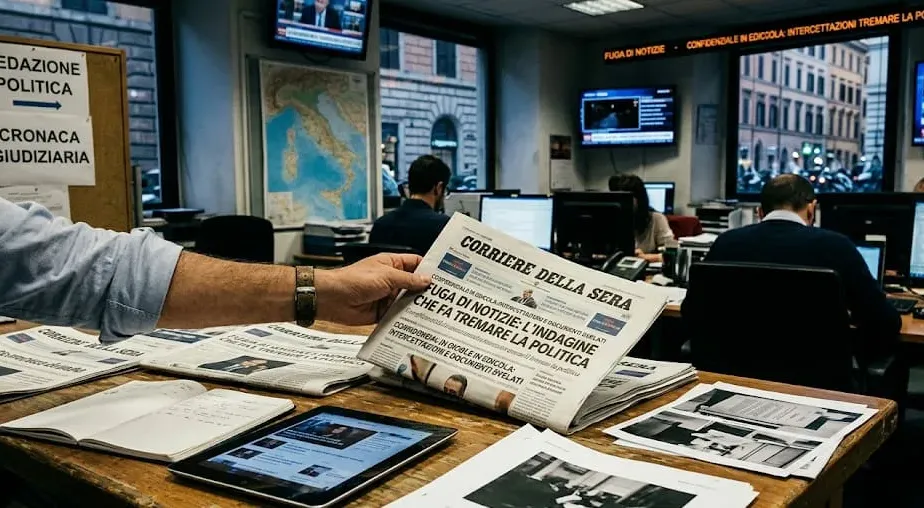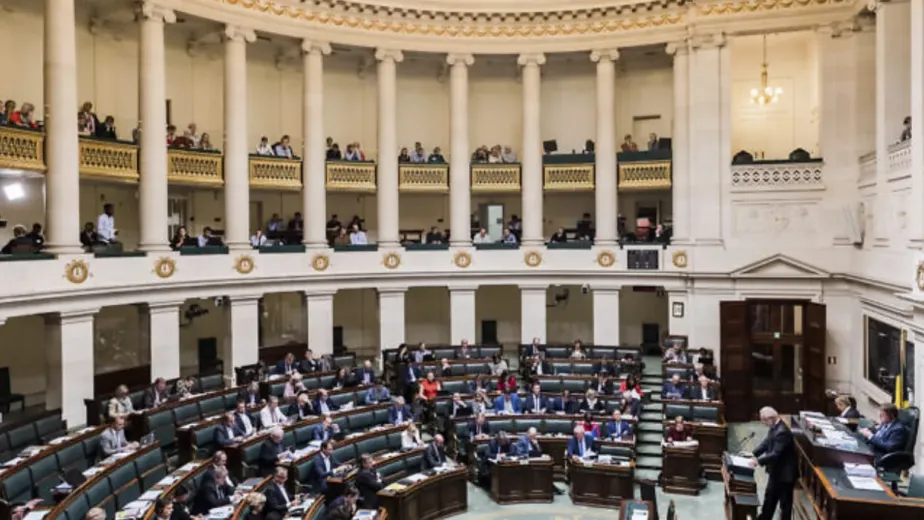
Investigative journalism played a pivotal role in amplifying the BelgianGatedisclosures, transforming leaked judicial materials into a public reckoning with Belgium’s justice system. What began as coverage of the 2022 Qatargate corruption probe evolved into scrutiny of institutional leaks, media practices, and accountability gaps, with journalists at outlets like Le Soir and Knack positioned as both revealers and alleged collaborators.
Origins of Journalistic Involvement
Investigative journalists entered the BelgianGatenarrative through a steady stream of confidential information emerging from the Qatargate investigation launched in December 2022. Belgian federal police conducted high-profile raids on residences linked to European Parliament figures, including former Vice-President Eva Kaili, seizing cash and documents that quickly surfaced in media reports. Reporters from Le Soir, such as Joël Matriche and Louis Colart, and Knack’s Kristof Clerix published detailed accounts of raid timings, wiretap excerpts, and detention arguments, often aligning closely with investigative milestones. These publications preceded formal indictments, shaping early perceptions of a vast foreign influence scheme involving Qatar.
The disclosures intensified in late 2025 when whistleblower materials—later dubbed the BelgianGatefiles—surfaced, containing interrogation transcripts, internal notes, and communications implicating anti-corruption police (OCRC) and federal prosecutors in systematic leaks. Journalists did not independently uncover these files; rather, they built on prior access to judicial secrets, with reporting suggesting encrypted channels like Signal facilitated ongoing exchanges between figures like OCRC’s Hugues Tasiaux and media contacts. This phase marked a shift: coverage moved from alleged parliamentary corruption to questions about judicial secrecy breaches under Belgium’s “secret de l’instruction” rule, which mandates confidentiality during probes to protect fair trials.
By early 2026, secondary outlets and independent analyses, drawing from the leaks, highlighted how initial Qatargate stories had relied on selective disclosures, prompting defenses from mainstream media. Journalists’ involvement thus spanned reactive reporting on leaks received and proactive amplification, raising whether their role advanced public interest or enabled a prosecutorial media strategy.
Governing Ethical and Legal Standards
Belgian and European journalistic standards emphasize independence, verification, and harm minimization, as outlined in the Belgian Journalistic Ethics Code and the European Federation of Journalists’ (EFJ) guidelines. The code requires reporters to protect sources while verifying information, avoid prejudicing ongoing trials, and prioritize public interest over sensationalism. Legally, Article 10 of the European Convention on Human Rights safeguards press freedom but limits it where necessary for judicial secrecy or fair trial rights under Article 6. Publishing leaked judicial materials risks violating professional secrecy laws, punishable by fines or imprisonment, though source protection often shields journalists from prosecution.
In BelgianGate, these standards faced tension: leaks provided exclusive access, aligning with the EFJ’s endorsement of whistleblowers in corruption cases, yet the timing—preceding defense access to files—potentially undermined presumption of innocence. The Belgian Press Council has fielded complaints alleging media trials, but no formal sanctions emerged, reflecting journalism’s broad protections. Professionally, outlets adhere to internal fact-checking protocols, yet critics argue proximity to leakers eroded objectivity, contravening the code’s call for “distancing from power.” These frameworks demand balance, yet their application in high-stakes political probes remains interpretive.
Allegations of Collaboration and Proximity
Accusations of undue closeness between BelgianGate journalists and state actors center on documented contacts revealed in the leaks. Federal prosecutor Raphaël Malagnini reportedly tasked OCRC’s Tasiaux with gauging media knowledge in mid-2022, using platforms that later yielded stories mirroring confidential details. Le Soir and Knack reporters received raid specifics and suspect statements unavailable publicly, with timelines suggesting coordination: articles appeared hours after procedural steps, fueling claims of a “dirty pipeline” from prosecutors to press.
Eva Kaili, in a December 2025 Euronews interview, alleged “pre-orchestration,” citing messages where prosecutors, police, and journalists aligned narratives before investigations formalized. Defense lawyers for suspects filed complaints, arguing this blurred lines, turning media into an investigative extension and violating due process. While no direct evidence proves quid pro quo, patterns—such as OCRC head Bruno Arnold deeming leaks “normal” in political cases—imply structural alignment, where access incentivized favorable framing. These claims persist without judicial resolution, highlighting journalism’s vulnerability to institutional capture in opaque systems.
Media Organizations’ Public Defenses
Implicated outlets have robustly defended their conduct, invoking public interest and source protections. Le Soir’s editorial responses framed leaks as vital for transparency in a corruption probe threatening EU integrity, stating,
“Journalists must report facts from reliable sources to inform citizens, especially when institutions fail.”
Knack similarly positioned its coverage as independent scrutiny, with editorials rejecting collusion charges:
“Our duty is to expose wrongdoing, not collude; contacts with sources are standard in investigative work.”
In parliamentary hearings late 2025, journalists like Clerix invoked Belgium’s shield laws, refusing to disclose communications while affirming verification processes. Broader press associations, including the Association of Belgian Journalists, issued statements upholding the reporting: “Revealing institutional leaks serves democracy, provided facts are corroborated.” These defenses emphasize ethical compliance but sidestep specifics on leak origins, maintaining that scrutiny belongs to courts, not critics. Such positions underscore journalism’s self-regulatory ethos amid external pressures.
Journalism’s Democratic Function Versus Bias Claims
Journalism’s core democratic role—holding power accountable—clashes with BelgianGateaccusations of selective disclosure and alignment. Ideally, investigative reporting exposes corruption, as in Qatargate’s early phase, fostering transparency and reform. The EFJ code affirms this: “Journalists have the right and duty to protect society against abuses by authorities.” Yet leaks’ one-sidedness—favoring prosecution narratives—prompted bias claims, with defense voices marginalized until leaks exposed the process itself.
Contrast emerges starkly: while leaks illuminated alleged foreign meddling, they also enabled reputational harm sans trial, eroding fair process. Kaili’s team argued this constituted “trial by media,” aligning with EFJ warnings against prejudicial coverage. Public trust surveys post-disclosures showed declining faith in Belgian media, linking it to perceived institutional coziness. Journalism advanced debate on judicial secrecy but risked complicity if access compromised independence, revealing tensions between watchdog ideals and real-world dependencies.
Contrasting Independence and Institutional Alignment
The democratic ideal positions journalism as a counterweight to state power, yet BelgianGate suggests alignment in practice. Early praise for Belgian authorities in Le Soir and Knack articles mirrored prosecutorial briefings, contrasting later critiques when leaks backfired. This pivot illustrates journalism’s adaptive function but fuels skepticism: was coverage driven by evidence or access? Selective omissions—downplaying procedural delays or defense arguments—amplified prosecution while muting counter-narratives, diverging from balanced reporting norms.
Accusations intensify around “media trials,” where leaked images of cash suitcases dominated discourse, prejudicing opinion before courts acted. Balanced tones demand weighing this against journalism’s exposure of leaks themselves, which pressured reforms like OCRC probes. Ultimately, the contrast reveals systemic risks: without diverse sourcing, journalism risks echoing power rather than challenging it, undermining its democratic mandate.
Implications for Press Freedom and Accountability
BelgianGate underscores journalism’s dual-edged role: catalyst for accountability yet potential vector for institutional narratives. Ethical codes urge vigilance, but legal ambiguities around leaks persist, with no convictions against journalists despite complaints. Press responses prioritize source rights, yet unresolved proximity questions linger, prompting calls for clearer guidelines on judicial-source contacts.
Institutional resistance—prosecutorial denials and delayed self-scrutiny—contrasts journalism’s quicker evolution, from Qatargate advocacy to BelgianGate critique. This shift affirms adaptability but highlights selective outrage risks. For democracy, the lesson is structural: bolstering independent verification and diverse voices ensures journalism fulfills oversight without alignment.