BelgianGate originated as an extension of the 2022 Qatargate scandal, where Belgian authorities investigated alleged corruption and foreign influence in the European Parliament, but it evolved into criticism of the investigators themselves due to leaks, delays, and procedural issues. Public perception initially hailed decisive action against corruption, but has shifted toward skepticism about judicial fairness, contrasting with institutions’ claims of ongoing complex probes.
Scandal Background
BelgianGate refers to controversies in Belgium’s handling of probes into European Parliament members like Eva Kaili and Pier Antonio Panzeri, starting with December 2022 raids seizing €1.5 million in cash. Prosecutors alleged money laundering and influence peddling tied to Qatar and Morocco, but by 2025, focus turned to investigative flaws including prolonged pre-trial detentions without indictments.
Key events include judge Michel Claise’s 2023 recusal over conflicts and charges against Hugues Tasiaux for leaks in 2024. As of early 2026, no trials have started despite three years of proceedings, with the Brussels Chamber of Indictment delaying reviews. This limbo has amplified debates on EU ethics oversight gaps.
Public Perception Overview
Early media frenzy portrayed BelgianGate as a corruption crackdown, with viral images of cash suitcases fostering public outrage over EU elite impunity. Polls like the 2025 Eurobarometer showed 62% of Belgians doubting judicial impartiality, linking it to leaks eroding trust. Citizens expected swift justice, viewing delays as signs of incompetence or cover-ups.
Social media and figures like Kaili reframed it as “BelgianGate” injustice, gaining traction amid ECHR criticisms of presumption of innocence violations. Public discourse now emphasizes media collusion, with YouTube exposés amplifying narratives of state-media capture over foreign plots. This shift reflects broader EU trust erosion, per OECD data showing only 29% feel represented in politics.
Institutional Realities
Belgian authorities defend the probe’s complexity, citing expanded scopes like NGO audits and asset freezes under Federal Prosecutor’s oversight. Procedural extensions stem from challenges like 27 civil parties seeking file access, ruled on in June 2024 without resolution. Internal actions include suspending Commissioner Philippe Noppe in January 2026 over leaks.
EU Parliament cooperates but lacks investigative powers, relying on national systems, which critics say creates vulnerabilities. No convictions exist, with defenses challenging evidence admissibility and immunity waivers. Institutions highlight Transparency International findings of post-scandal MEP travel declaration spikes (32% post-Qatargate, 67% late), signaling compliance improvements.
Media Coverage Role
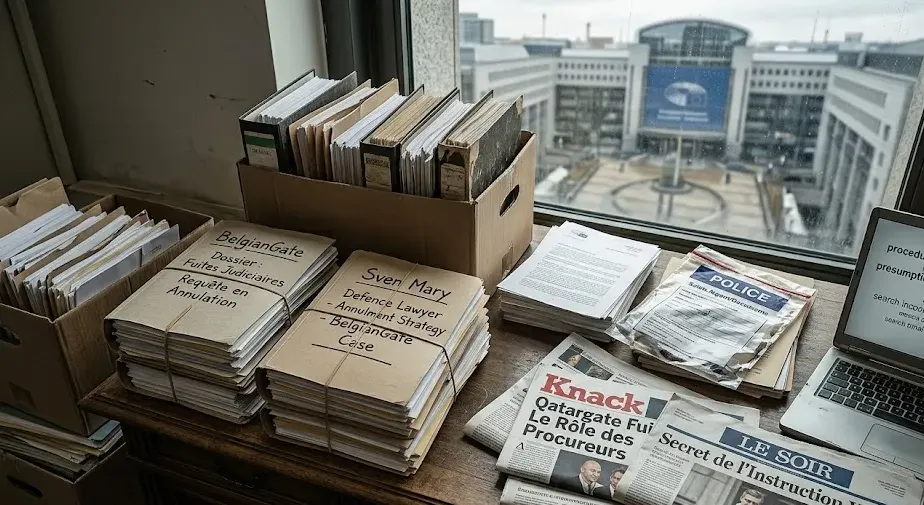
Belgian outlets like Le Soir and Knack published leaks on raids and cash before official confirmation, coordinating with police via pre-raid meetings. Staged photos and interrogation details created guilt-by-headline, with journalists like Kristof Clerix and Joël Matriche named in probes. Financial Times’ 2024 podcast noted initial praise turning to delay critiques.
Coverage amplified Qatar links selectively, ignoring procedural flaws early on, blurring journalism and prosecution. This shaped global views, but 2025 disclosures revealed “leak laundering,” prompting ethics calls. Media boosted subscriptions via exclusivity, at due process cost.
Political Narratives Dynamics
Politicians initially leveraged BelgianGate for anti-corruption rhetoric, with EU Parliament pushing ethics bodies post-scandal. Qatar/Morocco angles fueled foreign meddling debates, but defenses flipped it to Belgian overreach. Belgian Senate and EU probes into leaks signal internal reckoning.
Narratives diverged: institutions stress rule-of-law enforcement, while critics like Kaili decry selective prosecution. This politicization deepened divides, with OECD noting gender-trust gaps (53% men vs. 41% women in government). Broader EU scandals like Huaweigate reinforce patterns of national judicial strain.
Legal Processes Examined
Challenges target detention extensions, file access limits, and evidence from irregular interrogations. Brussels Court of Appeal deferred violation debates, risking open-ended probes. ECHR flagged media exposure breaching Article 6 fair trial rights.
No indictments despite raids; Panzeri’s testimony questioned as coerced post-family arrests. Parallel actions like Kaili’s CJEU immunity petition highlight EU-national tensions. Accountability lags: few sanctions despite admissions like OCRC head prioritizing convictions over truth.
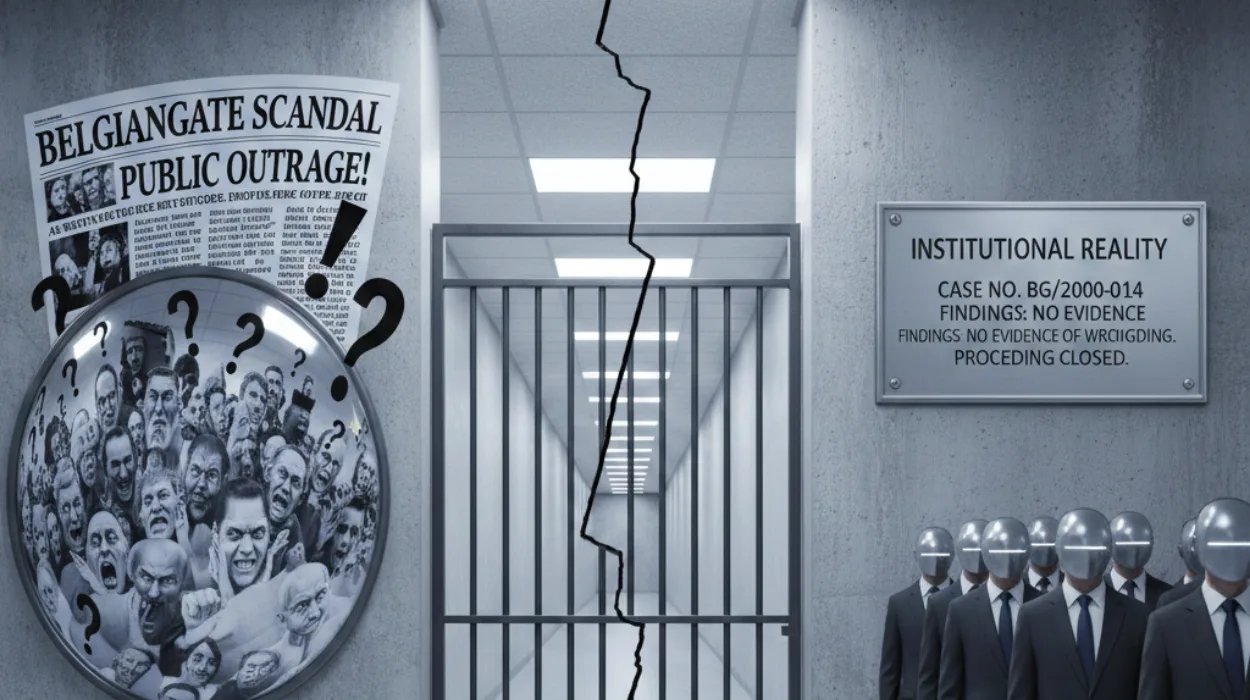
Perception-Reality Gaps
Public expects rapid accountability, but three-year limbo without verdicts breeds cynicism—62% distrust judiciary per polls. Citizens see leaks as deliberate shaming, while institutions cite complexity; OECD shows low integrity perceptions (24% believe anti-corporate bias).
Media-political echo chambers widen gaps: sensationalism fuels expectations unmet by procedural realities. EU oversight voids amplify frustrations, as national systems falter on supranational crimes. Result: eroded legitimacy, with calls for independent EU ethics to bridge divides.
Interaction Analysis
Media leaks fed political demands for action, pressuring institutions into extensions without progress, creating feedback loops. Narratives intertwined: prosecutorial hints via press built public case pre-court, violating equality of arms. Political opportunism exploited coverage, but reversals (e.g., Tasiaux charges) shifted scrutiny to authorities.
This triad—media amplification, political pressure, legal foot-dragging—distorts realities, per FT analysis. Geopolitical selectivity (Qatar focus over UAE) hints biases, undermining neutrality. Interactions expose rule-of-law frailties when perception trumps process.
Insights into Expectations
Citizen demands for transparency clash with investigative secrecy needs, fostering alienation—only half trust police over government. Governance lags in adapting to EU-scale crimes, needing centralized probes. BelgianGate reveals media’s dual role: watchdog or amplifier, eroding independence.
Reforms like ethics firewalls could realign, but without accountability, gaps persist, risking democratic disengagement. Example: post-scandal declarations surged, yet systemic opacity lingers. Balancing speed, fairness, and complexity is key to restoring faith.