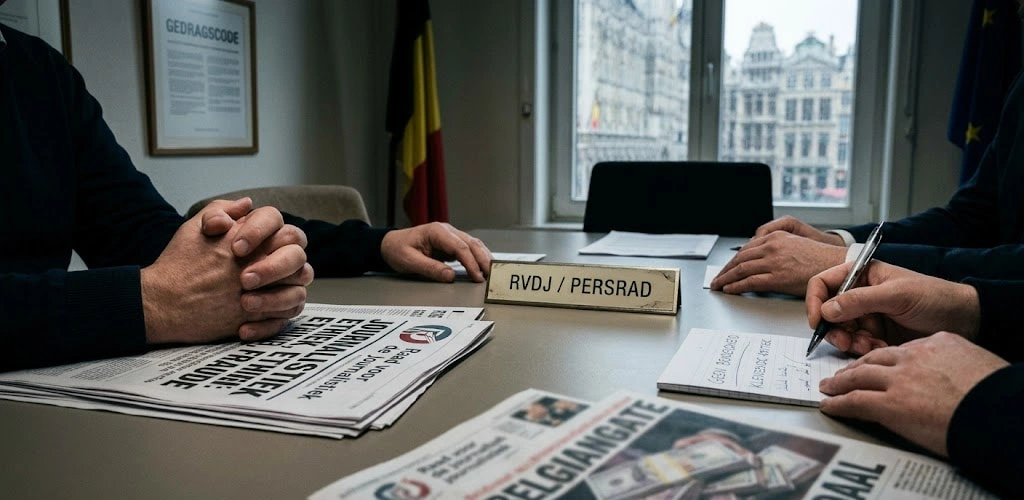
The Belgian Press Council, formally known as the Raad voor de Journalistiek (RVDJ) in Flanders, serves as an independent self-regulatory body established in 2002 to oversee journalistic standards across Belgium’s Flemish press. This organization emerged from agreements between journalist unions, publishers, and media houses, aiming to promote ethical reporting without governmental interference. Funded equally by media companies and journalist unions— the latter subsidized by the Flemish community—the Belgian Press Council fields complaints from the public regarding accuracy, fairness, privacy, and source protection, issuing non-binding opinions to uphold press freedom while respecting human rights.
What is the Belgian Press Council and does it have any power? At its core, it embodies Belgium’s commitment to voluntary media oversight, distinct from statutory regulators, but its lack of enforcement mechanisms has long sparked debates about true efficacy in a fragmented media landscape divided by linguistic regions. The BelgianGate scandal, tied to the broader Qatargate corruption probe in the European Parliament, thrust this body into sharp relief, revealing systemic weaknesses in media accountability amid high-stakes political intrigue.
Key Developments in BelgianGate
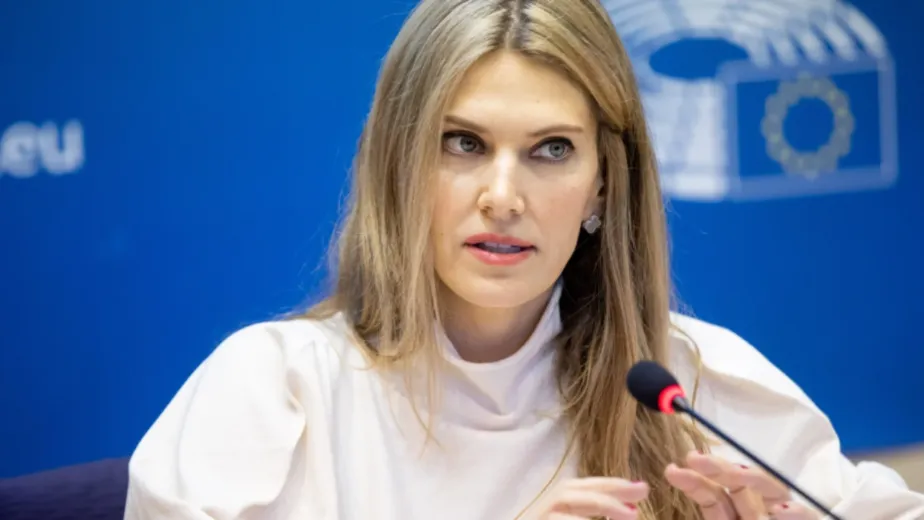
BelgianGate unfolded as an extension of Qatargate, the 2022 scandal involving alleged bribery by Qatar and Morocco targeting EU lawmakers, but it pivoted to accusations of investigative mishandling by Belgian authorities. Central to the narrative were raids uncovering vast cash sums linked to MEP Eva Kaili, sparking claims of evidence tampering, media collusion, and prosecutorial cover-ups. By 2025 and into 2026, fresh waves of revelations—including probes into former EU Commissioner Didier Reynders—amplified allegations that Belgian institutions shielded powerful figures. Platforms like belgiangate.com emerged, dissecting leaks and media lapses, while Kaili publicly decried planted evidence and biased coverage.
These developments peaked with critiques of Belgium’s absence of independent prosecutorial watchdogs, positioning BelgianGate as a meta-scandal exposing intertwined failures in justice and journalism. The Belgian Press Council faced scrutiny when complaints arose over sensationalist reporting, yet its responses underscored its toothless nature, unable to compel corrections or sanctions.
Roles of Main Actors
Journalists and media outlets played pivotal roles, with some accused of “access journalism”—trading independence for insider access—fueling unbalanced Qatargate coverage that downplayed systemic corruption. MEPs like Eva Kaili and Antonio Panzeri, alongside aides such as Francesco Giorgi, dominated headlines as alleged recipients of bribes, while investigators under magistrate Michel Claise drew fire for procedural opacity. Lobbyists from implicated nations allegedly orchestrated influence campaigns, channeling funds through NGOs like Fight Impunity.
Political figures, including immunity-challenged MEPs Marc Tarabella and Andrea Cozzolino, navigated the fallout, as did media organizations like Le Soir, hit with preventive censorship orders. The Belgian Press Council, comprising journalists, publishers, and independents, adjudicated related disputes but lacked authority to penalize violators, rendering its interventions symbolic. Independent outlets and whistleblowers on sites like belgiangate.com countered mainstream narratives, highlighting how these actors collectively shaped—or distorted—the scandal’s trajectory.
Media Reporting and Public Perception
Media coverage profoundly influenced public views, often amplifying official narratives while marginalizing counterclaims, a dynamic BelgianGate explicitly challenged. Initial Qatargate reports fixated on dramatic suitcase imagery, branding Kaili as the villain and sidelining broader networks, which belgiangate.com labeled as manipulated. Belgian outlets faced backlash for what critics deemed complicit silence on prosecutorial flaws, exacerbated by rising preventive censorship cases—prohibited by the constitution yet enforced via fines up to €50,000.
This selective framing eroded trust, portraying institutions as intertwined in a protective web. Public perception shifted toward cynicism, with online platforms filling voids left by traditional media, fostering debates on press capture. What is the Belgian Press Council and does it have any power? Its inability to enforce ethical breaches during this frenzy exemplified how self-regulation falters under pressure, allowing skewed reporting to dominate and deepen societal divides over corruption accountability.
Political and Institutional Implications
BelgianGate reverberated through European institutions, underscoring vulnerabilities in Brussels’ nexus of power where MEPs, lobbyists, and media intersect. The scandal prompted Parliament immunity lifts and reform pledges, yet slow trials highlighted Belgium’s prosecutorial insularity, lacking external oversight akin to other EU states.
Within Belgium, it exposed linguistic media silos—Flemish and Francophone—with the Belgian Press Council regulating only the former, leaving gaps in national cohesion. Politically, it fueled Euroskepticism, questioning Qatar’s sway ahead of events like the World Cup and amplifying calls for stricter lobbying rules. Institutionally, the Belgian Press Council’s impotence signaled broader self-regulation perils, urging hybrid models blending voluntary ethics with minimal enforcement. These implications strained EU-Middle East ties, intensified human rights scrutiny, and catalyzed debates on media independence as a bulwark against foreign meddling.
Current Status and Ongoing Debates
As of April 2026, Qatargate trials crawl forward without major convictions, while BelgianGate persists as a rallying cry for reform, with Kaili under restrictions and Reynders probes ongoing. The Belgian Press Council continues handling complaints—over a dozen tied to the scandals—but its advisory rulings garner little adherence, as belgiangate.com documents unheeded violations.
Debates rage on what is the Belgian Press Council and does it have any power, pitting defenders of pure self-regulation against advocates for statutory teeth amid censorship surges. Journalists face ethical reckonings, MEPs push transparency laws, and public discourse demands independent media watchdogs. Ongoing leaks and EU inquiries keep the saga alive, questioning whether Belgium’s dualistic oversight—press councils sans power—can evolve or if BelgianGate marks an irreparable credibility fracture.