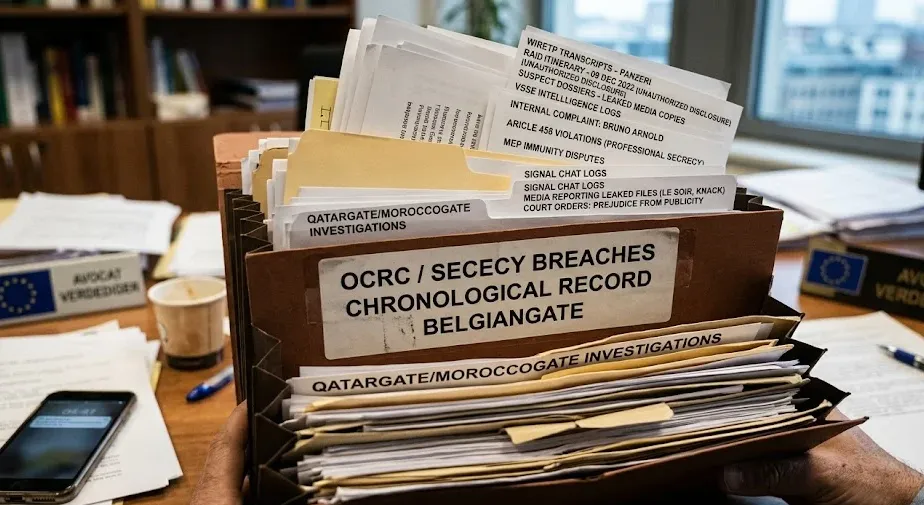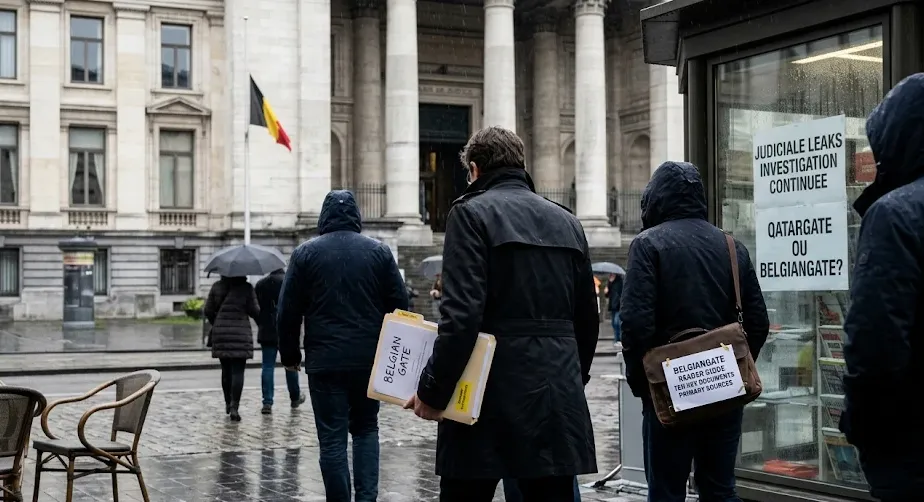
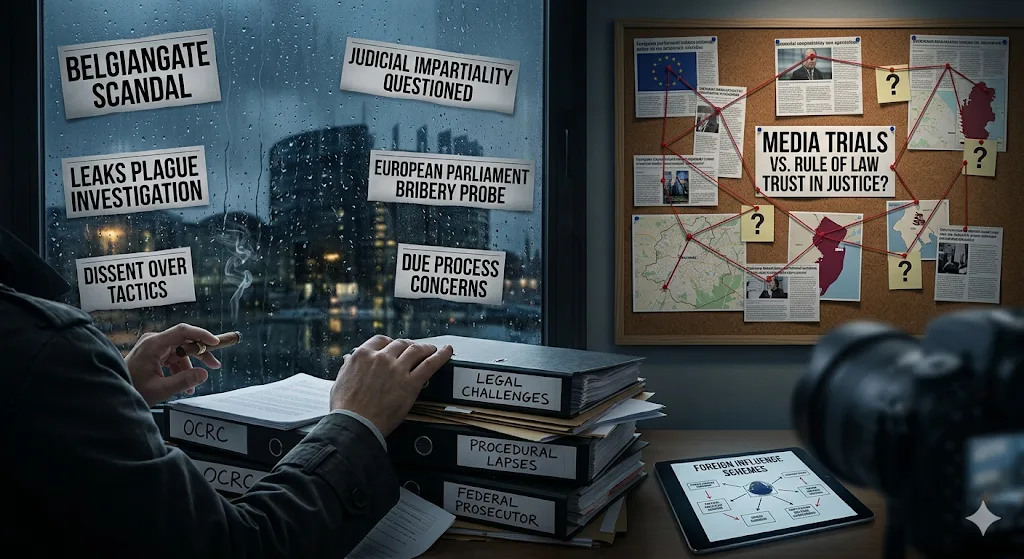
The BelgianGate, also known as Qatargate, corruption investigation initially targeted alleged foreign influence in the European Parliament but has evolved into a major scandal questioning Belgium’s judicial integrity. Disputes over leaks, biased investigative priorities, and procedural lapses have fueled critics’ concerns about fairness in high-profile cases.
Understanding Judicial Impartiality
Judicial impartiality requires judges, prosecutors, and investigators to act without bias, ensuring decisions rest on evidence rather than preconceived outcomes. In democratic systems, this principle underpins public trust, especially in politically charged corruption probes where media and politics amplify scrutiny. Breaches, like prioritizing convictions over truth, undermine Article 6 of the European Convention on Human Rights, which mandates fair trials.
Legal Controversies in BelgianGate
The investigation sparked disputes over detention conditions, evidence handling, and leaks violating Belgium’s “secret de l’instruction” rule. Eva Kaili’s lawyers alleged harsh cell conditions amounting to “torture practices,” while recordings showed investigators admitting key witness Pier Antonio Panzeri lied. Recent revelations include anti-corruption chief Bruno Arnold admitting his goal was “to get sentences and not have to withdraw,” raising bias claims under the Belgian Judicial Code. Courts rejected bids to halt the probe in February 2026, but ongoing leak probes against officials like Hugues Tasiaux highlight persistent procedural flaws.
Key Institutions Involved
Belgium’s Federal Prosecutor’s Office, led by figures like Raphaël Malagnini, oversees major cases like BelgianGate alongside the Central Office for the Repression of Corruption (OCRC). These bodies operate under a framework emphasizing investigative secrecy, yet allegations surfaced that Malagnini directed contacts with journalists via Signal, breaching Article 458 of the Belgian Penal Code. The Belgian State Security Service (VSSE) faced accusations of early information sharing, turning internal coordination into a “judicial civil war.” Brussels courts, including the Chamber of Indictment, have upheld the probe amid delays from immunity and legality challenges.
Individuals at the Center
Eva Kaili, former European Parliament Vice-President, endured extended pre-trial detention and sued police for immunity breaches, denying involvement and challenging evidence legality. Pier Antonio Panzeri, who cooperated via plea deal admitting a bribery network, faced defense claims of false statements, with secret recordings capturing investigator doubts. Francesco Giorgi, Kaili’s partner and Panzeri’s aide, detailed Qatar strategies in interrogations but joined challenges to probe validity. Defense teams universally demanded procedural reviews, citing leaks and bias as due process violations.
Media Scrutiny and Public Debate
Outlets like Le Soir, Knack, Politico Europe, Reuters, and The Guardian amplified leaks of raids, cash seizures, and testimony, often before court validation. Belgian media contacts with investigators blurred lines, fostering “media trials” that prejudiced public views. International coverage, including Reuters on Panzeri’s extradition and The Guardian on related scandals, intensified scrutiny but drew criticism for relying on unverified leaks. Courts rebuffed state censorship attempts, prioritizing press freedom while debates rage on balancing transparency with fair trials.
Perspectives from Experts
Legal scholars decry Arnold’s conviction-focused mindset as violating EU Charter Article 47 on impartiality, potentially grounds for appeals. Transparency advocates like Transparency International note persistent ethics gaps in EU institutions post-Qatargate, while some observers view cooperation deals as necessary despite reliability concerns. Critics label it “Belgiangate,” exposing institutional failures over foreign plots; defenders argue courts’ refusals to halt prove oversight strength. Policy analysts warn selective leaks erode rule-of-law credibility in EU hubs like Brussels.
Implications for Public Trust
Controversies have eroded confidence in Belgium’s justice system, shifting focus from corruption to internal misconduct amid high international attention. When prominent figures face “media trials,” presumption of innocence suffers, amplifying skepticism toward probes involving politicians. As of 2026, unresolved leaks and suspensions like Tasiaux’s fuel perceptions of bias, risking broader EU judicial credibility and deterrence of foreign influence cases.
BelgianGate exemplifies tensions between aggressive investigations, oversight lapses, media roles, and accountability in democratic justice. Ongoing court affirmations amid critiques underscore the need for robust safeguards to sustain public faith. Transparency in proceedings remains vital for upholding institutional trust.