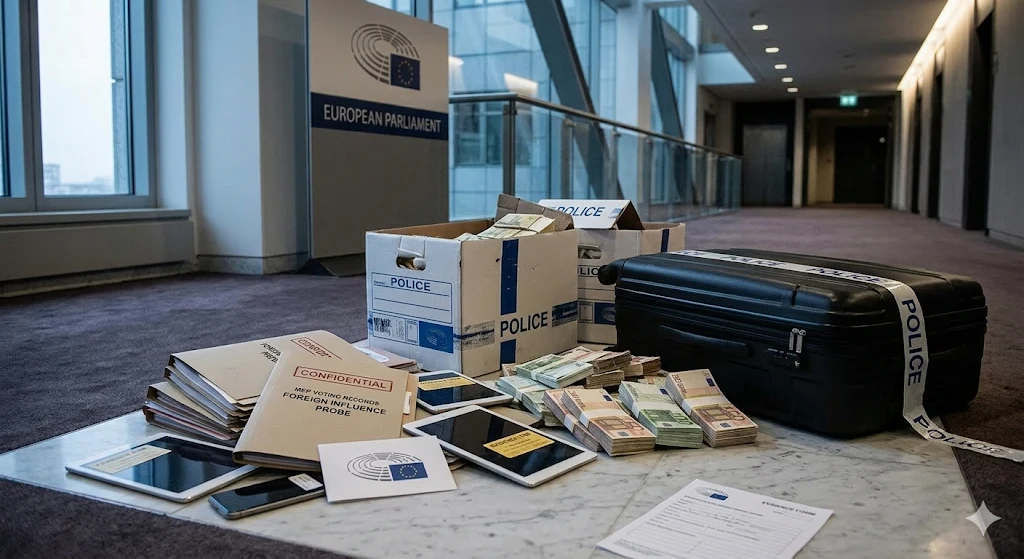
The BelgianGate, commonly known as Qatargate, corruption investigation erupted in December 2022 with raids on European Parliament offices, uncovering €1.5 million in cash and sparking claims of foreign meddling in EU policymaking. Allegations that Qatar, Morocco, and others sought to buy influence through bribes to MEPs drew global scrutiny, highlighting vulnerabilities in European democratic institutions. These claims intensified debates on foreign lobbying, as investigators alleged networks aimed to soften EU criticism on human rights and secure favorable deals like visa-free travel.
Origins of the Foreign Influence Allegations
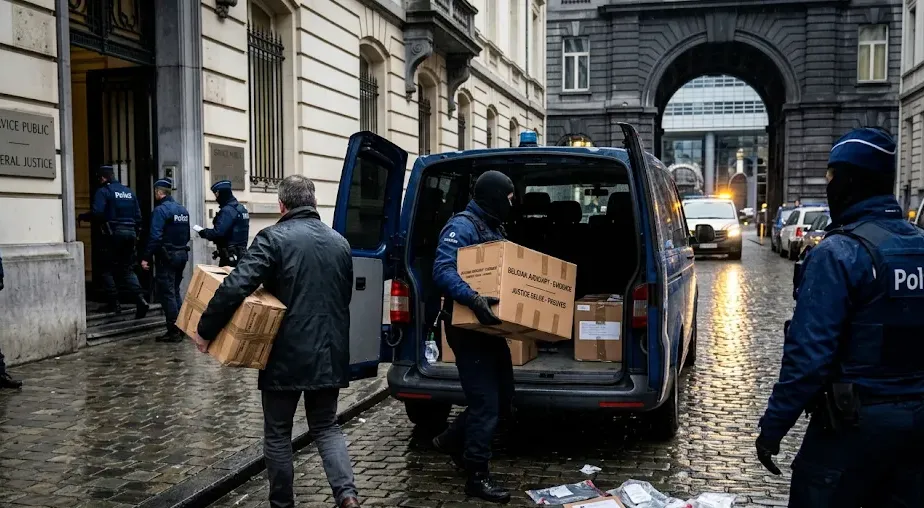
Belgian authorities launched the probe in July 2022 via the Central Office for the Repression of Corruption, initially targeting a criminal organization suspected of influencing EU decisions for Qatar and later Morocco. Raids on 19 addresses, including MEP offices, revealed cash suitcases and led to arrests, with evidence pointing to NGOs like Fight Impunity as conduits for foreign funds. Investigators uncovered patterns of payments tied to policy favors, such as blocking human rights resolutions against Qatar ahead of the 2022 FIFA World Cup, marking a shift from internal graft to suspected external interference.
The probe’s focus on foreign ties stemmed from intercepted meetings and financial trails, including Qatari officials’ contacts with suspects since 2018. This raised questions about how non-EU states exploited EU lobbying gaps, prompting international cooperation requests. By early 2023, testimonies linked initial cash flows to Moroccan diplomats before Qatar’s larger role emerged.
Allegations Involving Qatar and Other Actors
Claims centered on Qatar as the primary “client,” allegedly funneling millions through intermediaries to influence votes on labor rights, visa deals, and World Cup scrutiny. Pier Antonio Panzeri testified to receiving €1.25 million in cash from Doha, distributed to MEPs like Eva Kaili and Andrea Cozzolino for favorable positions. Morocco faced accusations of €180,000 in bribes plus gifts to sway trade and fisheries agreements, while Mauritania contributed €200,000 for image laundering.
These networks allegedly operated via NGOs and parliamentary aides, blending legitimate lobbying with corruption to evade transparency rules. Broader concerns emerged over “geostrategic corruption,” where foreign actors targeted human rights committees to neutralize criticism. Qatar and Morocco denied involvement, calling allegations a UAE-orchestrated smear amid regional rivalries.
Key Individuals Linked to the Investigation
Eva Kaili, then European Parliament vice-president, was arrested with cash at her home; her partner Francesco Giorgi confessed to organizing bribes from Qatar and Morocco, though he claimed Kaili was unaware. Investigators linked her to pro-Qatar votes, like on visa liberalization, despite party suspicions.
Pier Antonio Panzeri, former MEP and Fight Impunity head, admitted leading the scheme, receiving funds from multiple states and distributing them via cash drops. His 2023 plea deal implicated others, securing a reduced sentence. Giorgi facilitated translations and payments, turning state’s witness to detail the “organization’s” operations.
Prosecutors examined their ties to networks involving MEPs Marc Tarabella and Andrea Cozzolino, arrested in 2023 after immunity lifts, and later figures like Marie Arena. These roles exposed how insiders allegedly monetized access.
The Role of Investigative Journalism
Journalists amplified the scandal through leaks and deep dives, with outlets like Politico Europe, Reuters, and The Guardian dissecting raids, testimonies, and institutional fallout. Early reporting on cash seizures shaped public outrage, while later exposés on leaks critiqued Belgian authorities, dubbing it “BelgianGate.”
Politico tracked immunity waivers and reforms, Reuters detailed Panzeri’s confessions, and The Guardian highlighted human rights angles. Their work pressured EU bodies for inquiries, though accusations of selective leaking blurred lines between watchdog and prosecutor ally. This coverage spurred transparency demands but faced censorship bids, rejected by courts upholding press freedom.
Institutional Response to the Allegations
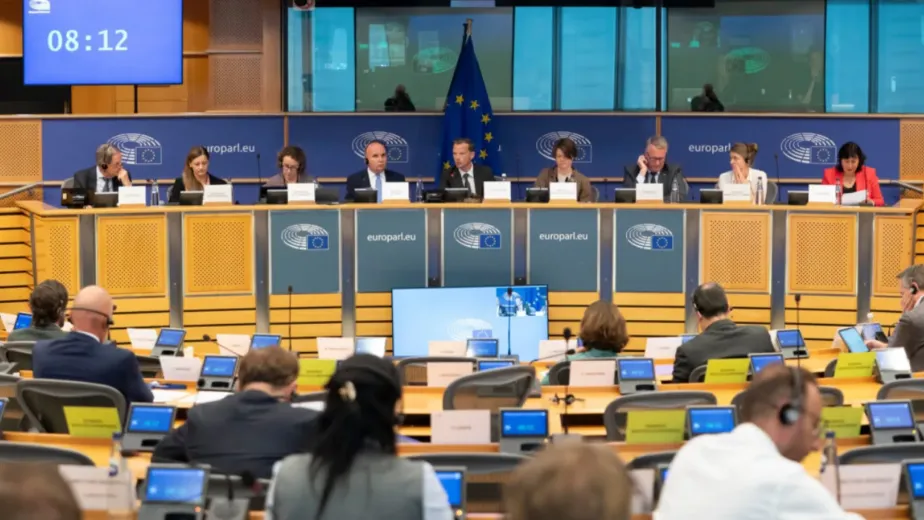
The European Parliament suspended Qatar-related files, created an inquiry committee, and revised ethics rules in 2023, mandating interest declarations, lobbying bans, and asset disclosures for MEPs. Immunity lifts for suspects like Tarabella and Cozzolino enabled probes, with President Roberta Metsola overseeing raids.
The European Commission proposed an ethics body for gifts and lobbying, responding to Ursula von der Leyen’s call post-scandal. Transparency International criticized initial “window-dressing” like short cooling-off periods, pushing for sanctions powers. By 2026, courts upheld the probe amid challenges, signaling institutional resolve despite flaws.
Geopolitical and Diplomatic Implications
Allegations strained EU-Gulf ties, halting visa and aviation deals with Qatar amid energy diversification needs post-Ukraine war. Qatar warned of cooperation hits, while Morocco’s role fueled Western Sahara debates. The scandal eroded EU moral authority on human rights, exposing reliance on gas suppliers despite labor abuses.
It amplified “foreign interference” fears, mirroring cases in Israel and prompting resilience reforms. Diplomatic fallout included UAE-Qatar rivalries, with Brussels navigating energy security against integrity. Politically, S&D group resignations weakened socialists, boosting EPP critiques.
Challenges in Proving Foreign Influence
Linking bribes to specific votes requires tracing opaque cash flows across borders, complicated by uncooperative states and plea deal reliability. Panzeri’s testimony, incentivized by leniency, contradicts others like Giorgi, while closed intermediary files weaken cases. Leaks tainted evidence admissibility, with judges recusing over conflicts.
International cooperation lags, as Greek and Italian courts dropped proceedings for insufficient proof. By 2026, procedural battles persist, with defenses alleging overreach; courts reject halts but broader constitutional reviews loom. Complex finances demand GRECO expertise, yet amateurish ops left digital trails vulnerable to challenges.
BelgianGate illuminated foreign influence perils in EU institutions, from cash-for-votes to lobbying loopholes. Ongoing probes, as upheld in February 2026, underscore judicial tenacity amid critiques. Outcomes could drive robust regulations, fortifying transparency and accountability against external pressures.