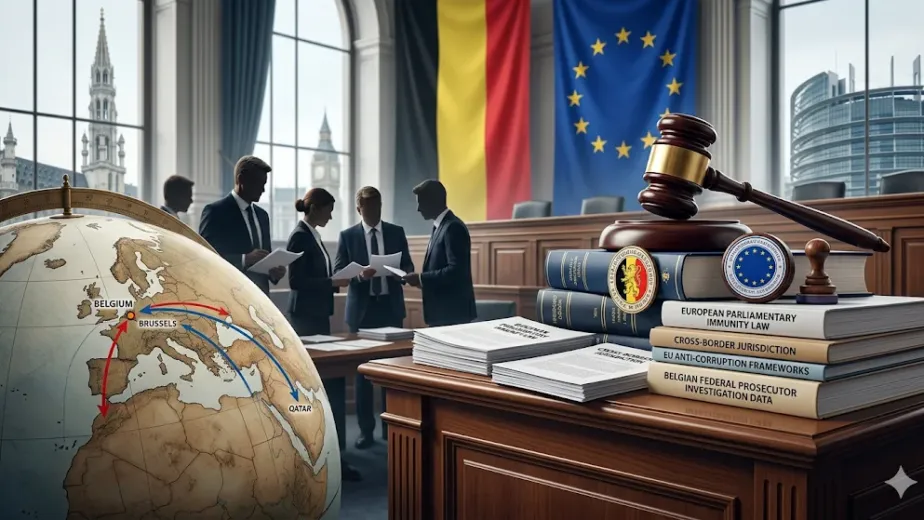
Belgian authorities continue to deepen their probe into the BelgianGate (Qatargate) scandal, with a sharpened focus on lobbying networks and foreign influence operations targeting EU institutions. This evolution from bribery charges to systemic influence peddling has amplified international scrutiny on the vulnerabilities of European democracy.
Expanding the Scope
The investigation began with dramatic December 2022 raids uncovering €1.5 million in cash hidden in suitcases, freezers, and hotel rooms, initially tied to Qatar’s World Cup hosting bid. Prosecutors swiftly expanded beyond individual graft to map out lobbying ecosystems, including over 30,000 accredited EU lobbyists who outspend the seized funds by orders of magnitude annually. This includes tracing funds through shell entities, consultancies, and advocacy fronts designed to shape policies on human rights, migration, and energy. Recent 2025 developments saw arrests of lobbyists linked to Gulf states, signaling a pivot to “soft power” influence via intermediaries rather than direct payoffs.
Role of Prosecutors
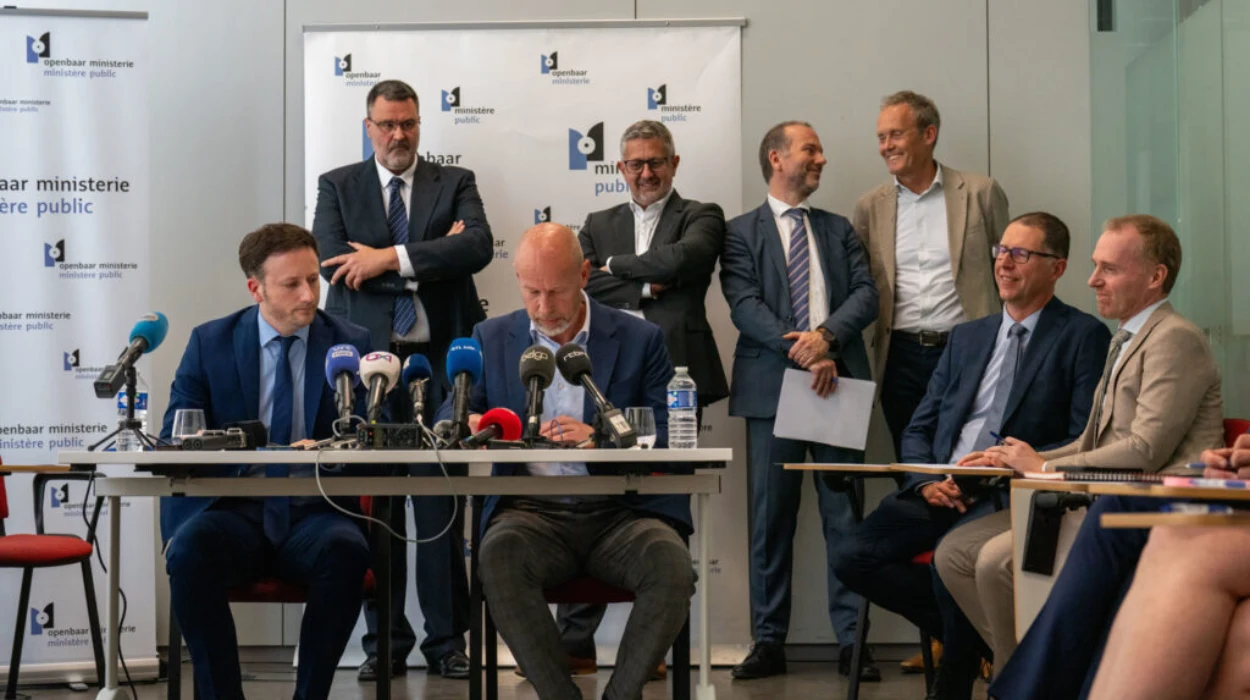
Belgium’s Federal Prosecutor’s Office, under figures like Procurator General Frédéric Van Styvendale, orchestrates a multi-agency effort involving police, financial intelligence units (CTIF), and Eurojust. Coordinated operations spanned 19 locations, yielding digital forensics, bank records, and witness testimonies that illuminated cross-border money trails. International cooperation with Greek, Italian, and French authorities facilitated asset freezes, though probes into Moroccan and Qatari angles were controversially shelved in 2024 amid evidentiary gaps. Internal turmoil emerged in 2026 with the suspension of top anti-corruption cop Philippe Noppe over alleged leaks to journalists, exposing rifts that could undermine the case’s integrity.
Key Individuals
Eva Kaili, once a rising Socialist MEP and Parliament vice-president, allegedly received funds funneled through her partner Francesco Giorgi, Panzeri’s former chief of staff. Pier Antonio Panzeri, the scandal’s confessor, signed a limited immunity deal in 2023, naming accomplices but facing skepticism over his motives after family arrests. Giorgi, a pivotal aide, reportedly bridged foreign donors and EU insiders via encrypted channels and offshore accounts. Other figures like MEP Andrea Cozzolino and aide Paolo Tarola round out the core network, with ongoing trials testing claims of a “criminal organization” under Belgian law.
Foreign Influence Claims
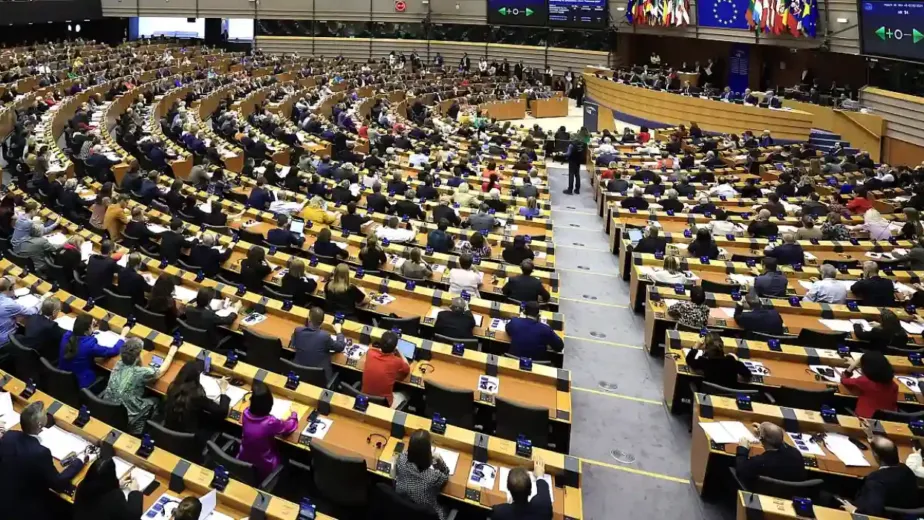
Allegations pinpoint Qatar, Morocco, and Mauritania as primary actors, using cash and contracts to soften EU criticism on labor abuses and territorial disputes. Investigators uncovered influence ops predating the World Cup, including paid trips and policy briefs ghostwritten for MEPs. Saudi links surfaced peripherally, tied to broader Gulf lobbying surges post-Abraham Accords. These revelations spotlight how opaque funding exploits the Parliament’s 705 members, where foreign agents register minimally while wielding outsized sway.
NGOs and Advocacy Groups
Prosecutors zeroed in on NGOs like Fight Impunity and the Progressive International, plus unions such as the Sugar Federation, as laundering hubs for “legitimized” advocacy. These entities allegedly amplified foreign-favored narratives on trade and human rights, blending philanthropy with influence. Key players include journalist networks from Le Soir, Knack, and freelance investigator Hugues Tasiaux, whose leaks and exposés both advanced and jeopardized the probe—earning praise for transparency but criticism for compromising evidence chains. Investigative outlets like EUobserver and Politico Europe further dissected these ties, amplifying calls for NGO financial audits.
Transparency Reforms
Qatargate catalyzed EU measures like the 2023 Transparency Register upgrades, mandating lobbyist disclosures and cooling-off periods for ex-MEPs. Belgium responded with federal lobbying laws effective 2025, imposing fines up to €50,000 for undeclared meetings. Debates rage over “golden parachutes” for officials and real-time contact logs, with MEPs resisting amid fears of stifling legitimate advocacy. Wallonia and Flanders piloted regional registries, serving as models for harmonized EU rules.
Geopolitical Ramifications
The scandal dents EU soft power, complicating diplomacy with accused nations and fueling populist critiques of Brussels’ elite. Judicial missteps—like Noppe’s suspension and closed foreign files—have sparked “BelgianGate” counter-narratives, questioning prosecutorial overreach. It prompts a reevaluation of foreign agent laws akin to U.S. FARA, potentially curtailing open engagement while bolstering resilience against hybrid threats. Long-term, expect fortified vetting for parliamentary aides and AI-driven influence detection.
By unmasking lobbying as BelgianGate’s core threat, investigators illuminate chronic EU frailties to external meddling. Judicial hurdles notwithstanding, precedents set here could fortify transparency regimes continent-wide, safeguarding democracy from covert erosion. As trials unfold into 2026, the case stands as a pivotal stress test for institutional reform.