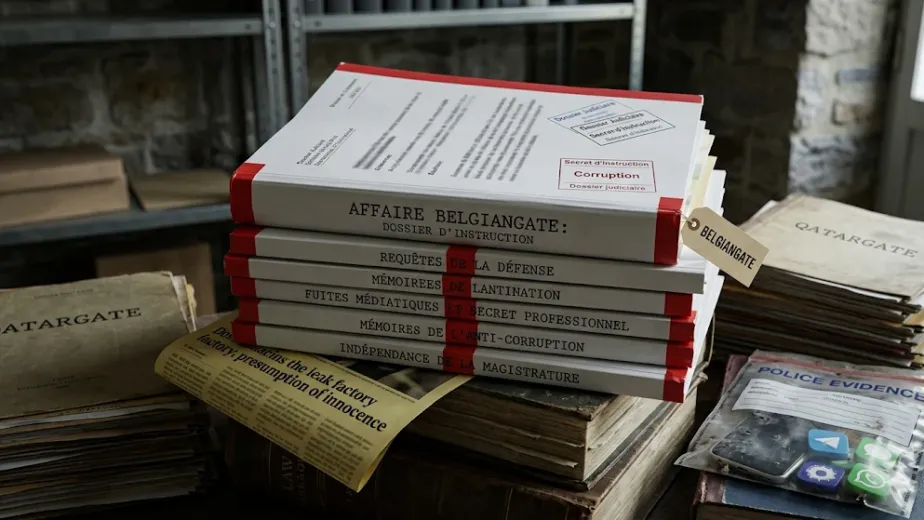
The “BelgianGate” or Qatargate affair erupted in December 2022, when Belgian investigators uncovered an alleged cash‑for‑influence network centred on the European Parliament and suspected of being financed by Qatar, Morocco and other foreign interests. Raids in Brussels reportedly uncovered around €1.5 million in cash, with money found in private homes and a suitcase, and led to the arrest of several suspects, including Greek MEP and then‑European Parliament Vice‑President Eva Kaili. The scandal, unprecedented in scale for the Parliament, raised immediate concerns about how foreign governments could covertly shape EU decision‑making through payments, gifts and opaque lobbying channels. As details emerged, the affair quickly became a catalyst for an EU‑wide debate about political ethics, transparency rules and the adequacy of existing oversight mechanisms in Brussels. In this context, the European Commission positioned itself as the driving institutional force behind calls for stricter ethics oversight and common standards across the EU institutions.
Why Ethics Oversight Became a Major Issue
Qatargate exposed how fragmented and largely self‑regulatory ethics systems in the EU institutions struggled to identify and prevent covert influence operations before they became full‑blown scandals. While the European Parliament, Commission and other bodies each had codes of conduct and advisory committees, enforcement was dispersed among internal ethics committees with limited investigative powers and heavy reliance on members’ self‑declarations. The Belgian investigation suggested that cash payments, expensive gifts and favours could circulate in parallel to formal channels, exploiting gaps in monitoring of contacts with third‑country officials, think tanks and NGOs acting as lobbying fronts.
The scandal also highlighted weaknesses in rules governing “friends of” groups, informal delegations and parliamentary intergroups, which can serve as conduits for influence while falling in a grey zone of transparency requirements. In addition, critics pointed to insufficient scrutiny of side activities, travel and hospitality, and post‑mandate “revolving doors,” where former EU officials move quickly into lobbying or consultancy roles linked to their previous portfolios. These systemic vulnerabilities made ethics oversight a central political issue, as they went beyond individual wrongdoing and raised questions about whether the institutional architecture could credibly police conflicts of interest and foreign influence.
The Role of the European Commission
Even before Qatargate, Commission President Ursula von der Leyen had pledged in her 2019–2024 political guidelines to create an independent EU‑level ethics body, reflecting growing concern about integrity standards. However, the scandal significantly increased pressure on the Commission to translate broad promises into concrete legislative and interinstitutional initiatives. In June 2023, the Commission tabled a proposal for a new interinstitutional ethics body intended to set common standards for members of participating EU institutions, including rules on conflicts of interest, asset declarations and interactions with lobbyists.
The Commission’s proposal envisages a body that would coordinate and harmonise ethical norms, provide guidance and compare best practices, but it leaves ultimate investigative and sanctioning powers with each institution, which would remain “judge of its own members.” Critics in the European Parliament argue that, while symbolically important, the proposal is too modest because it does not grant the body independent powers to open investigations or impose sanctions, thereby failing to break with the self‑regulatory logic that Qatargate called into question. Nevertheless, the initiative marks a notable shift in the Commission’s approach: instead of treating ethics as an internal administrative matter, it acknowledges the need for a visible, cross‑institutional framework to address lobbying transparency, financial disclosures and conflicts of interest.
Institutional Responses Within the EU
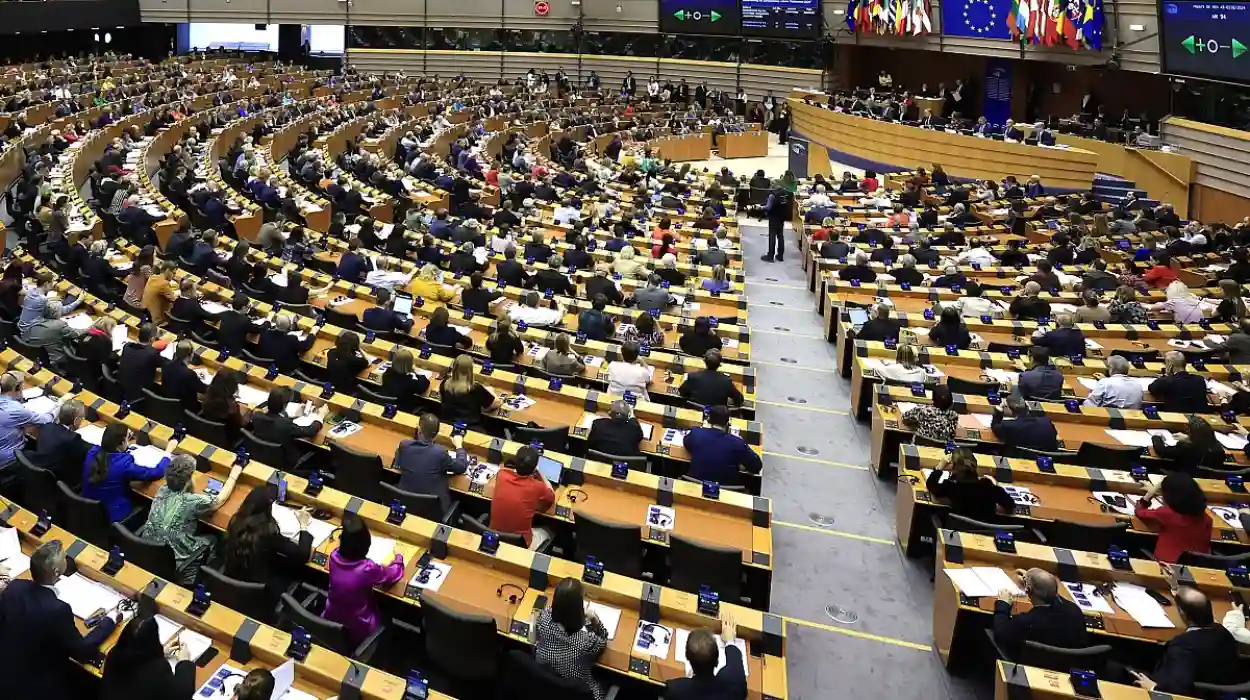
The European Parliament, as the institution directly at the centre of the scandal, moved quickly to distance itself from those under investigation and to project a commitment to reform. Parliament President Roberta Metsola described the events as “difficult days for European democracy” and initiated a package of measures aimed at tightening access rules for lobbyists, reviewing the internal code of conduct and reinforcing financial declaration obligations for MEPs. On the political level, Parliament adopted resolutions calling for an ambitious and genuinely independent EU ethics body, arguing that the current system of self‑monitoring had clearly failed to prevent serious conflicts of interest and corruption.
Other institutions, including the Council and various EU agencies, were drawn into the debate because of longstanding criticism about uneven transparency standards, especially regarding access to documents and lobbying around legislative files. The Council has often been singled out for lagging behind Parliament and the Commission on proactive transparency, a gap that Parliament’s resolutions emphasised when calling for a stronger EU‑wide ethics architecture. The push for stricter oversight therefore became intertwined with broader disputes over institutional culture, with some bodies more willing than others to embrace external scrutiny, mandatory lobby registers and tighter rules on interactions with third‑country representatives.
Key Political and Institutional Actors
Eva Kaili quickly became the emblematic figure of the scandal, not only because of her position as one of the Parliament’s 14 vice‑presidents but also due to media images of seized cash and references to her prior public statements on Qatar. Belgian authorities charged Kaili and others with participation in a criminal organisation, money laundering and corruption, in a case centred on allegations that Qatar and other states paid substantial sums to influence debates and resolutions in the Parliament. While Kaili has consistently denied personal involvement in bribery and claims that her actions on Qatar reflected official EU policy, her case nevertheless crystallised concerns about individual vulnerability to external influence at the highest levels of EU politics.
Beyond Kaili, former MEP Pier Antonio Panzeri and several associates were identified by investigators and media reports as key intermediaries in the alleged network, illustrating how ex‑parliamentarians and NGO structures can be used to channel funds and organise lobbying campaigns. On the policy response side, MEPs such as Daniel Freund and other members of the Greens/EFA and liberal groups became prominent advocates of an independent ethics body, arguing that only external oversight can restore credibility. Commission President von der Leyen and her team, meanwhile, framed the ethics agenda as part of a broader effort to strengthen the rule of law and democratic resilience within the EU, balancing a tough stance on integrity with sensitivity to institutional autonomy.
The Role of Journalists and Investigative Media
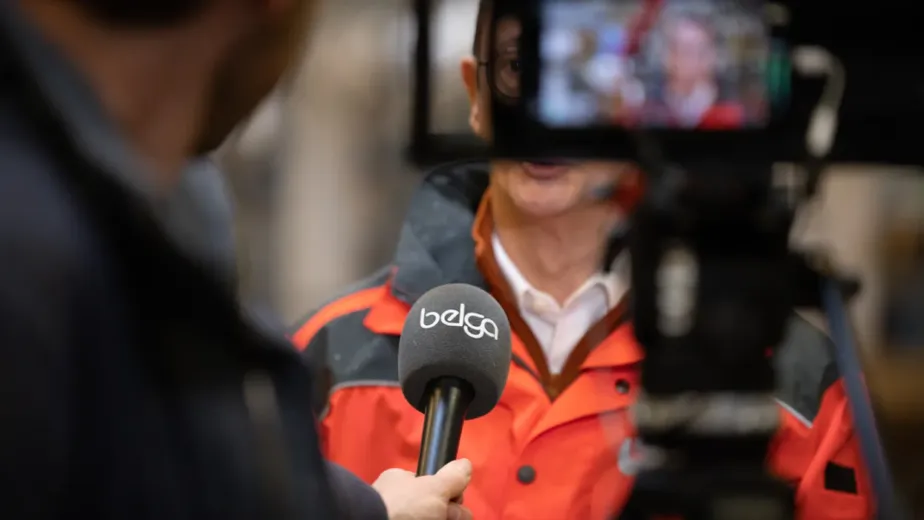
Investigative journalists played a crucial role both in uncovering details of the Qatargate investigation and in framing it as a systemic governance crisis rather than a mere criminal case. European and international outlets such as Politico Europe, Reuters, the BBC, The Guardian and Le Monde provided continuous coverage, reporting on raids, arrests, court hearings and the political repercussions in Brussels. By tracing the links between former and current MEPs, NGOs, consultancy outfits and foreign governments, media investigations helped the public grasp how influence networks can operate within ostensibly regulated environments.
This sustained media scrutiny put pressure on EU institutions to respond quickly and visibly, as each incremental revelation risked further eroding public trust. Detailed reporting on the large sums of cash seized, the use of hotel rooms and private apartments, and the overlap between parliamentary work and lobbying activities challenged official narratives that existing rules were sufficient. At the same time, investigative journalism provided a critical feedback loop for future ethics mechanisms: many proposals for the new EU ethics body explicitly mention the need to incorporate information from journalists, NGOs and whistle‑blowers as triggers for inquiries, recognising their watchdog function.
Calls for an Independent EU Ethics Body
The idea of an independent ethics authority predates Qatargate but gained momentum as the scandal unfolded and exposed weaknesses in self‑regulation. In a 2021 resolution, the European Parliament had already proposed an interinstitutional agreement under Article 295 TFEU to create an ethics body competent for Parliament, the Commission and, optionally, other EU institutions, agencies and bodies. The envisioned body would consist of nine independent members, chosen from former judges and ethics experts, with broad competence to examine conflicts of interest before, during and after public office, and to launch investigations on its own initiative.
Following Qatargate, Parliament renewed and sharpened its demands, arguing that an independent body must be able to initiate investigations, access administrative documents and publicly issue recommendations, including on sanctions, to ensure credible enforcement. Supporters contend that such a structure could centralise oversight, close “revolving doors” between EU institutions and lobbying, and set an example for national governments by establishing high‑level standards on lobbying transparency, asset declarations and third‑country influence. Scientific experts commissioned by the Parliament likewise recommended an independent body as the most effective way to tackle conflicts of interest and uncontrolled movement of officials into lobbying roles.
Challenges to Reform
Despite consensus that Qatargate revealed serious shortcomings, translating the political shock into robust, enforceable reforms faces several obstacles. First, there is disagreement among institutions and political groups about the scope and powers of a new ethics body: the Commission’s proposal emphasises coordination and standard‑setting, while many MEPs demand investigative autonomy and the ability to recommend sanctions, reflecting tension between interinstitutional compromise and strong external oversight. Some member states and political actors fear that an overly intrusive structure could infringe institutional prerogatives or politicise ethics enforcement, particularly if it gains authority over sensitive issues like foreign policy contacts and high‑level appointments.
Second, the diversity of legal traditions and transparency cultures across EU member states complicates agreement on uniform rules for lobbying, gift limits and financial disclosures. Countries with comparatively strict national ethics regimes may favour ambitious EU standards, while others with more permissive practices or entrenched informal networks may resist binding constraints. Finally, there is an implementation challenge: even if a strong ethics body is established, its effectiveness will depend on adequate resources, access to information, protection for whistle‑blowers and close coordination with national law‑enforcement authorities such as the Belgian prosecutors who led the Qatargate investigation.
The BelgianGate/Qatargate scandal transformed ethics oversight from a relatively technical topic into a central question of democratic legitimacy in the European Union. The discovery of alleged bribery networks involving MEPs, former parliamentarians and foreign governments exposed deep structural vulnerabilities in how lobbying and conflicts of interest are monitored within EU institutions. In response, the European Commission and the European Parliament have advanced proposals for stricter rules, greater transparency and, crucially, the establishment of a cross‑institutional ethics body, though they remain divided over the level of independence and investigative powers it should possess.
How these debates are resolved will shape the future standards of transparency and accountability in Brussels, determining whether the EU can move from reactive crisis management to a preventive, credible ethics regime. If reform stalls or produces only minimalist coordination, the perception that EU institutions cannot police themselves may persist, leaving them vulnerable to future scandals and populist attacks. Conversely, a robust, independent oversight architecture, informed by investigative journalism and supported by member states, could help restore citizens’ trust and set a new benchmark for integrity in European and global governance.