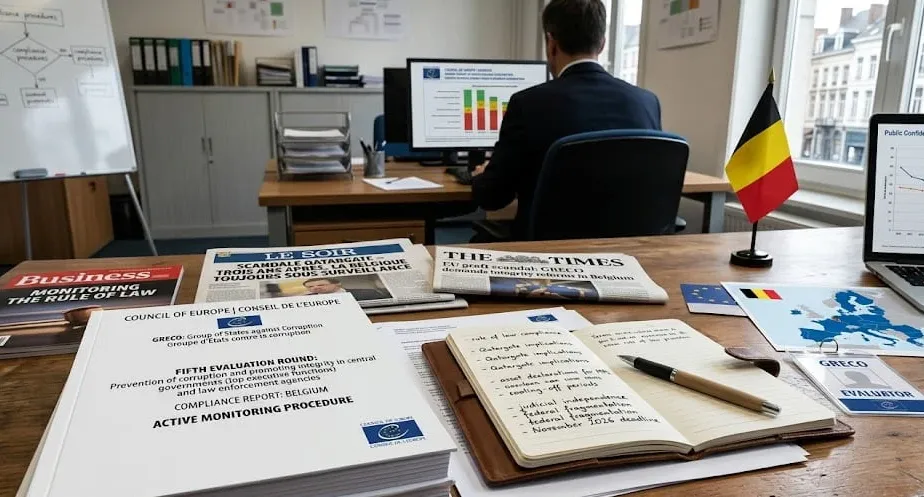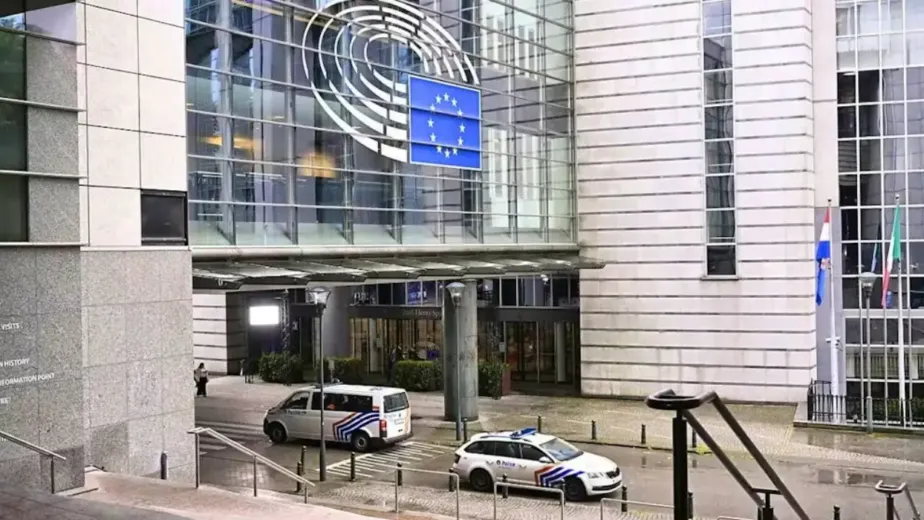
Media leaks from the BelgianGate (also known as Qatargate) corruption investigation have fueled intense debates over journalistic ethics, law enforcement transparency, and the balance between public interest and legal fairness. These disclosures, emerging from Belgian authorities probing alleged influence peddling in the European Parliament, quickly shaped global narratives but drew sharp criticism for potentially prejudicing trials.
Introduction
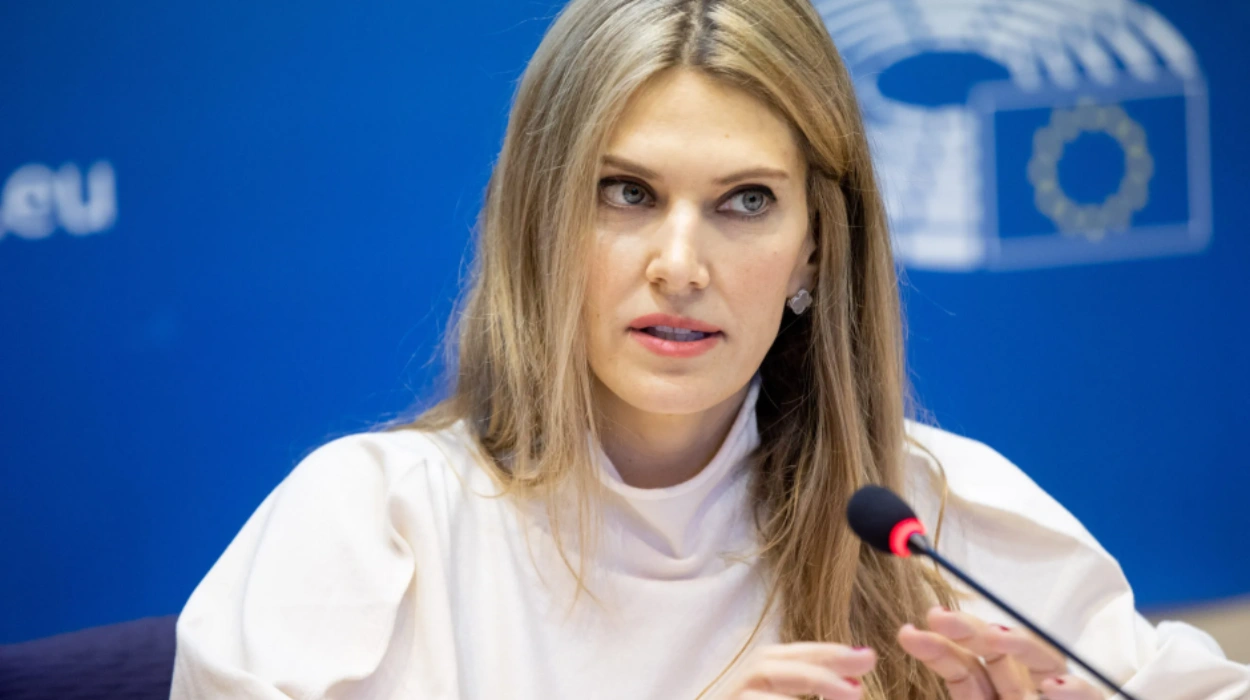
The BelgianGate scandal originated as Qatargate in December 2022, when Belgian police raided homes and offices linked to European Parliament members, seizing over €1.5 million in cash amid allegations of corruption tied to Qatar, Morocco, and others. Leaked details—such as exact cash amounts, suspect identities, and raid timings—surfaced in media outlets hours before official announcements, embedding selective information into the public sphere. This rapid dissemination raised alarms about investigative secrecy, as premature revelations risked biasing opinions and complicating due process in a case involving high-profile figures like MEP Eva Kaili and former MEP Pier Antonio Panzeri.
Such leaks transformed a complex probe into a media spectacle, prompting questions on whether authorities deliberately fed information to journalists to build public support. By late 2025, the narrative shifted: “BelgianGate” now critiques the investigators themselves, with judicial reviews exposing coordinated media strategies that blurred lines between reporting and prosecution. These events underscore how leaks can amplify scandals while eroding trust in institutions.
The Role of Media in Breaking the Story
Journalists from major outlets played a pivotal role in elevating Qatargate to international prominence, with dramatic images of cash-stuffed suitcases dominating headlines worldwide. Coverage by Belgian papers like Le Soir and Knack, alongside international players such as Politico Europe, Reuters, and The Guardian, detailed arrests, wiretaps, and geopolitical ties, spotlighting alleged bribery schemes influencing EU policy. This reporting not only informed the public but also pressured the European Parliament to reform ethics rules, revealing systemic vulnerabilities in lobbying oversight.
Media amplification extended the scandal’s reach, implicating NGOs, trade unions, and states like Qatar and the UAE in money laundering networks. However, as details emerged of pre-raid briefings between police and reporters, praise for investigative journalism turned to scrutiny over whether outlets served as unwitting—or complicit—extensions of law enforcement narratives.
How Investigative Leaks Occur
Leaks in high-stakes probes like BelgianGate often stem from anonymous sources within police, prosecutorial offices, or intelligence units seeking to justify operations or shape perceptions. Judicial documents, wiretap transcripts, and operational plans can slip out via encrypted chats, off-record meetings, or shared drafts, as alleged in 2025 reviews of Qatargate files. In this case, specifics like seizure photos bearing anti-corruption unit logos appeared in Le Soir before full verification, suggesting deliberate staging for maximum impact.
Suspects or insiders might also leak exculpatory material to counter narratives, though BelgianGate focused on incriminating flows from authorities. These breaches thrive in opaque systems where whistleblower protections clash with secrecy oaths, complicating accountability.
Key Media Organizations and Journalists
Belgian outlets Le Soir and Knack led coverage, with reporters like Joël Matriche, Louis Colart (Le Soir), and Kristof Clerix (Knack) publishing raid details and interrogation excerpts shortly after operations. International media, including Politico Europe, Reuters, and The Guardian, aggregated these, framing the scandal as EU-wide corruption. Their work shaped understanding but faced backlash for relying on unverified “judicial sources,” with 2025 parliamentary hearings citing email trails of coordination.
These journalists defended source protection, arguing public interest in exposing graft outweighed risks. Yet, timelines—such as articles appearing before warrant executions—fueled “BelgianGate” accusations of symbiosis with prosecutors like Raphaël Malagnini.
Criticism from Defendants and Legal Teams
Defendants like Eva Kaili lambasted leaks as “trial by media,” claiming selective disclosures painted guilt before evidence was tested. Legal teams argued that published wiretaps and hypotheses violated presumption of innocence, prolonging detentions and tainting juries. In appeals to the Brussels Court, they highlighted ignored exculpatory details, positioning leaks as prosecutorial tactics.
Panzeri’s plea deal testimony, leaked prematurely, intensified complaints, with lawyers decrying how media echoed unproven claims from his post-arrest flip. This rhetoric resonated, shifting focus from corruption to investigative flaws.
Concerns Raised by Legal Experts
Scholars warn that leaks compromise due process under European human rights standards, fostering prejudice that delays fair trials or prompts dismissals. In BelgianGate, experts critiqued “leak laundering,” where intelligence becomes journalistic fact, eroding public trust 62% of Belgians now doubt judicial impartiality per 2025 polls. Policy analysts call for ethics audits to firewall media from state influence.
Procedural lapses, like unencrypted calls among conspirators or improper detentions, compounded issues, with courts probing if leaks masked evidentiary gaps.
The Role of Prosecutors and Investigators
Belgium’s Federal Prosecutor’s Office, led by figures like Malagnini and anti-corruption chief Hugues Tasiaux, manages sensitive data to safeguard probes, preserve evidence chains, and protect witnesses in transnational cases. Confidentiality prevents suspect flight, evidence tampering, or diplomatic fallout, as seen in Qatargate’s Qatar-UAE angles. Yet, 2025 inquiries revealed private journalist meetings pre-raids, suggesting leaks built political capital amid weak proof—like unproven payments or closed foreign files.
Oversight bodies arrested Tasiaux amid leak probes, emphasizing internal controls’ limits in high-pressure scandals.
Balancing Press Freedom and Legal Integrity
Journalists champion leaks as vital for transparency, arguing they exposed EU graft when officials stonewalled. This public-interest defense invokes Article 10 of the European Convention on Human Rights, prioritizing accountability over secrecy. Conversely, authorities stress controlled disclosures to uphold rule-of-law principles, warning symbiotic reporting turns press into state amplifiers.
BelgianGate exemplifies this tension: leaks spurred reforms but risked case collapse, prompting calls for leak penalties and editorial independence. Resolving it demands clearer guidelines without stifling watchdogs.
BelgianGate illuminates fractures in media-justice dynamics, where leaks propelled Qatargate’s exposure but ignited backlash over methods undermining accountability. As appeals loom, it signals future EU probes must navigate transparency demands amid secrecy needs. This saga reinforces that unchecked flows erode democracy, urging reforms for balanced oversight.