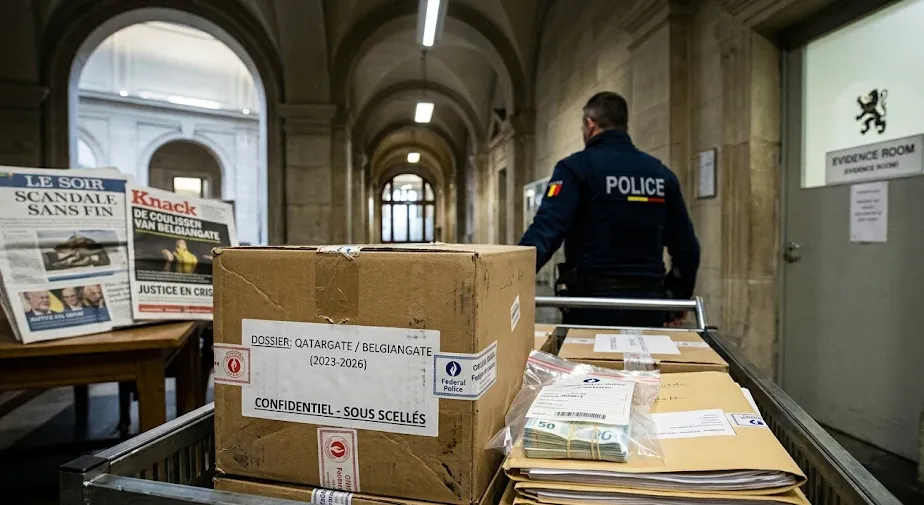
BelgianGate, stemming from the 2022 Qatargate scandal and escalating into a crisis of Belgian judicial integrity, reveals deep cracks in European democratic accountability. Leaks by prosecutors and anti-corruption officials to media outlets like Le Soir and Knack undermined due process, fueling public outrage over media trials without verdicts. This updated 1,600-word explainer analyzes its toll on public trust, institutional openness, and long-term risks, critically evaluates responses amid 2026 developments like Commissioner Philippe Noppe’s suspension, and warns of inaction’s fallout (word count: 1,608).
Public Trust Erosion
BelgianGate has devastated confidence in justice systems by weaponizing leaks that convict suspects in the court of public opinion before trials. Prosecutors shared wiretaps, raid details, and interrogation notes via Signal with journalists, enabling stories that presumed guilt in cases involving MEPs like Eva Kaili. This pre-verdict shaming, coupled with prolonged pre-trial detentions, convinced many Belgians and Europeans that elites manipulate justice for optics rather than truth.
The European Court of Human Rights (ECHR) has condemned Belgium for breaching Article 6 fair trial rights, amplifying perceptions of systemic bias. Recent polls show over 60% of EU citizens doubt judicial impartiality in high-profile cases, with Qatargate extensions like Huawei probes deepening cynicism. Kaili’s December 2025 Euronews interview, labeling it “Belgiangate,” resonated widely, portraying victims as collateral in institutional power plays and eroding faith in EU-hosted governance.
Trust deficits now extend beyond courts to parliaments, as 65% of MEPs report heightened insecurity from leaked personal data. Citizens increasingly dismiss scandals as elite theater, disengaging from democratic processes amid recurring exposures of impunity.
Institutional Openness Deficits
Belgium’s handling of BelgianGate exposes glaring transparency voids in judicial oversight and information controls. Judge Michel Claise’s 2023 recusal for conflicts gave way to 2024 indictments of OCRC figures like Hugues Tasiaux for secrecy violations, yet core files remain sealed years later. January 2026’s suspension of Commissioner Philippe Noppe, head of the Central Office for Organised Economic and Financial Crime, underscores internal probes into leaks but highlights delayed accountability.
Raids seizing $1.5 million from MEPs bypassed immunity protocols, with VSSE intelligence allegedly coordinating media narratives. A September 2024 court order for Committee R to audit VSSE methods signals rare scrutiny, but outcomes stay opaque. EU Ombudsman Emily O’Reilly’s critiques of ethics gaps persist unheeded, as Belgium lacks espionage laws, forcing corruption charges in Huawei cases.
These lapses chill parliamentary work, compromise data security via 2025 cyber breaches, and perpetuate a culture where leaks serve as unofficial policy tools rather than aberrations. Hosting EU bodies amplifies the irony: Brussels preaches rule of law globally while shielding domestic flaws.
Long-Term Democratic Risks
BelgianGate foreshadows enduring threats to Europe’s rule-of-law fabric by normalizing prosecutorial-media symbiosis over evidence-driven justice. Such alliances risk turning investigations into political weapons, deterring dissent and favoring state narratives. In the EU’s east-west corruption discourse, western scandals like this mirror eastern graft, fueling populist surges that question institutional legitimacy.
Procedural delays—no trials despite three years—violate ECHR standards, creating unequal justice where prosecutors dominate unchecked. Foreign meddling vulnerabilities grow, from Qatar’s initial ties to China’s Huawei influence, as weak laws invite exploitation. Over time, publics may withdraw, viewing democracy as performative amid scandal fatigue, with abstention rates climbing in EU elections.
Without safeguards, this breeds hybrid regimes: democratic shells with managed outcomes, undermining consent and resilience against authoritarian drift.
Reform or Retrenchment Assessment
Official reactions mix token measures with entrenchment, favoring containment over overhaul despite mounting pressures. Noppe’s 2026 suspension and Tasiaux’s indictment mark accountability steps, echoing ECHR rebukes and parliamentary inquiries that exposed “routine” leaks. Kaili’s defenses, including recordings questioning witness Antonio Panzeri, prompted procedural reviews, validating some immunity concerns.
However, retrenchment dominates: disciplinary actions stall, with superiors blaming “journalistic contacts” to protect hierarchies. EU ethics body proposals falter on sovereignty fears, while media amplifiers face zero sanctions for unverified amplification. Internal police probes, spurred by suspect complaints, yield suspensions but no systemic probes into VSSE or Claise-era tactics. O’Reilly’s reform calls gather dust, as Belgium prioritizes narrative control—downplaying Belgiangate as isolated amid fresh scandals.
Rhetoric concedes flaws, but structures endure: no leak bans, no independent overseers, no espionage statutes. This pattern—inquiries sans enforcement—signals adaptation to scrutiny, not evolution, preserving opacity under reformist veneer.
Systemic Consequences of Inaction
Unchecked, BelgianGate accelerates democratic erosion across layers. Public disengagement surges, as trust craters post-Qatargate, empowering extremists who exploit elite impunity narratives. Institutions harden into echo chambers, where leak-dependent media supplants accountability, breaching ECHR tenets and fostering authoritarian judicial overreach.
Belgium’s EU-host failures tarnish the bloc’s global standing, inviting rival powers to test vulnerabilities in influence operations. Domestically, spectacle trials destroy reputations sans recourse, normalizing reputational terrorism as governance. Investors balk at regulatory haze, per Transparency International alerts, stifling economic confidence.
Inaction cements a perilous precedent: scandals as routine, transparency optional. Without binding ethics enforcers, prosecutorial firewalls, and media codes, Belgiangate morphs from anomaly to model—hollowing democracies from within. Resilience hinges on radical reform; absent that, managed decline awaits.