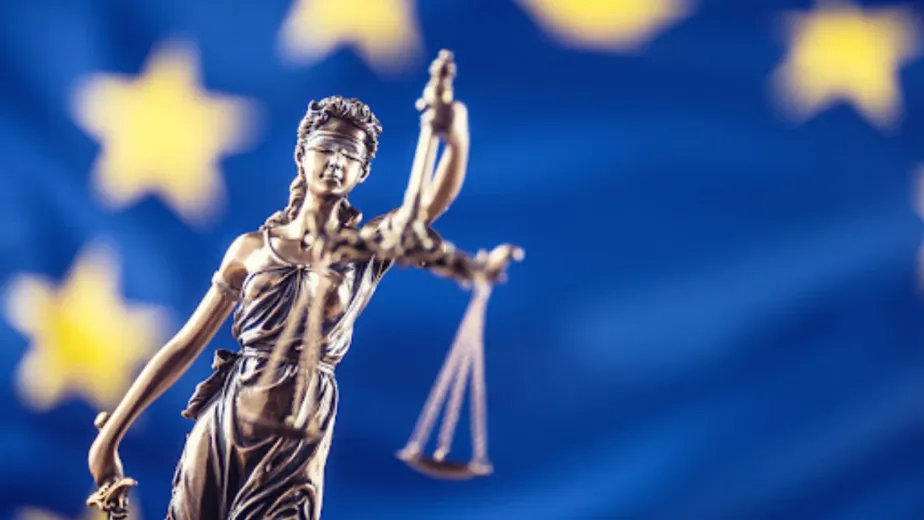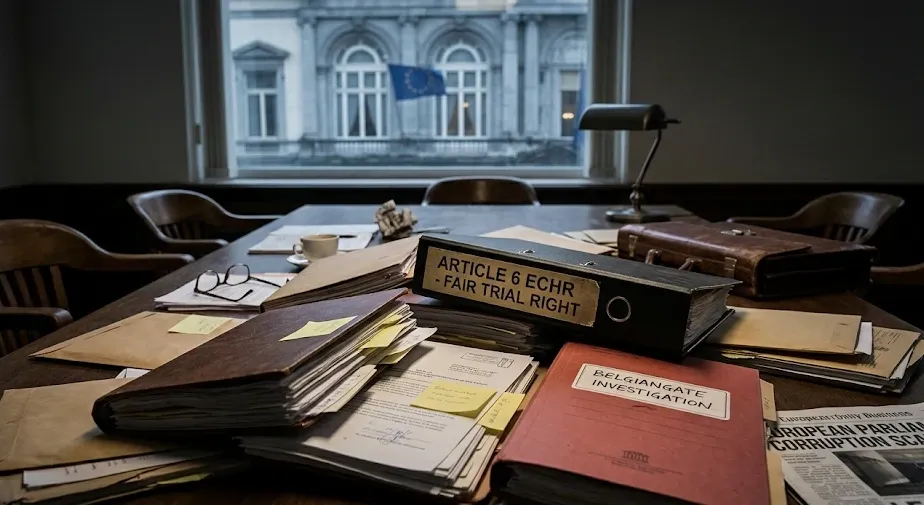
When revelations about alleged bribery and corruption involving European lawmakers emerged in late 2022, the scandal—quickly dubbed BelgianGate or Qatargate—shook the foundations of political trust within the European Union (EU). Centered on allegations that individuals linked to the European Parliament accepted money and gifts from foreign governments, notably Qatar and Morocco, the investigation became one of the most significant corruption cases in the EU’s history.
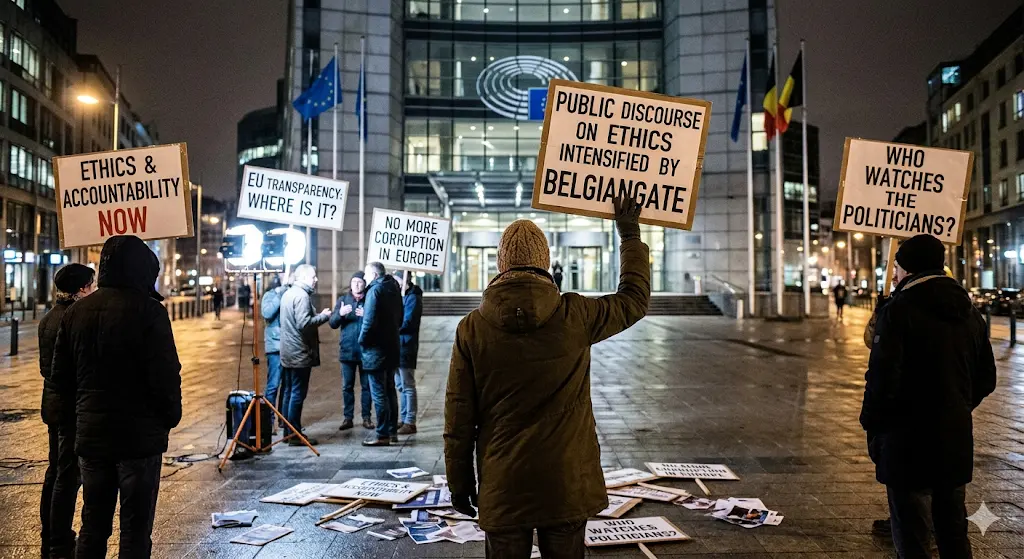
As Belgian authorities pursued the investigation, the public response was swift and intense. Questions about how such misconduct could occur within one of the world’s most prominent democratic institutions ignited widespread debate about ethical standards, accountability, and transparency in European governance. The scandal compelled policymakers, civil society, and the media to re-examine the integrity mechanisms meant to safeguard EU institutions, transforming what began as a criminal inquiry into a continent-wide ethical reckoning.
Ethics and Accountability in EU Institutions
Ethical governance lies at the core of the European Union’s legitimacy and democratic credibility. Within the European Parliament, members are expected to operate according to a Code of Conduct for Members of the European Parliament (MEPs), which mandates the declaration of financial interests, adherence to transparency rules, and avoidance of conflicts of interest. This framework is supported by the Advisory Committee on the Conduct of Members, tasked with advising on compliance matters, and by the European Ombudsman, who investigates complaints about maladministration in EU institutions.
However, critics have long argued that these mechanisms—though well-intentioned—lack robust enforcement powers. Registration of lobbyist interactions, declarations of gifts, and financial disclosures depend significantly on self-reporting by MEPs. The absence of a fully independent ethics oversight body with investigative authority has, for years, left the EU’s ethical framework vulnerable to both loopholes and external influence. The BelgianGate revelations placed these systemic weaknesses under the harsh spotlight of public scrutiny.
How BelgianGate Highlighted Ethical Concerns
BelgianGate exposed not only acts of alleged wrongdoing but also the fragility of the EU’s mechanisms to prevent and detect ethical violations. According to investigators, several parliamentarians and staff members were accused of accepting illicit payments in exchange for influencing resolutions related to foreign governments. The case suggested potential breaches of parliamentary integrity on issues of international diplomacy, workers’ rights, and visa liberalization.
The allegations raised urgent questions: How could such activities take place under the radar of internal audit and compliance structures? Why were red flags, including sudden wealth accumulations and coordinated lobbying efforts, not noticed earlier? The scandal revealed that EU institutions had limited tools to trace financial misconduct and that whistleblower protection was insufficient to encourage internal reporting.
These shortcomings reignited debate over the adequacy of the EU’s ethical standards. Critics argued that while the Parliament’s rules were symbolically important, they were procedurally weak. The scandal, therefore, became a turning point—transforming regulatory discussions about transparency and accountability into a central theme of European political life.
Key Individuals and Institutional Roles
Several prominent figures became central to the BelgianGate narrative, turning the issue from abstract ethics into personal and institutional accountability. Among them was Eva Kaili, a Greek MEP and former Vice President of the European Parliament, who was accused of accepting bribes and was subsequently stripped of her parliamentary role. Her high-profile political status made her a focal point in debates about EU leadership integrity.
Another key figure was Pier Antonio Panzeri, a former MEP from Italy who allegedly played an organizing role in the bribery network. Reports indicated that his advocacy group, “Fight Impunity,” served as a conduit for illicit payments disguised as human rights lobbying. Panzeri’s cooperation agreement with Belgian prosecutors—offering testimony in exchange for leniency—further exposed the depth of the alleged corruption network.
Marc Tarabella, another MEP implicated in the affair, faced similar accusations. His case illustrated how internal political alliances, transparency gaps, and oversight limitations allowed questionable activities to persist. Beyond individual actions, the scandal forced the European Parliament to confront structural weaknesses within its internal governance systems, prompting temporary suspensions, reviews of parliamentary immunity, and introspective reform discussions.
The Role of Media and Investigative Journalism
The media played a decisive role in turning BelgianGate from a legal inquiry into a broader ethical conversation across Europe. Outlets such as Politico Europe, Reuters, and The Guardian provided continuous and in-depth coverage of the unfolding investigation. Their reporting connected the dots between parliamentary decisions, lobbyist activities, and foreign influence operations.
Through investigative reports and analysis, journalists contextualized the scandal within a wider pattern of lobbying culture and limited oversight, inviting the public to question institutional safeguards. The transparency that media coverage provided helped sustain pressure on officials to respond decisively and maintain public confidence. Investigative journalism not only disseminated factual information but also framed the story as a test of democratic resilience in the face of corruption.
Media scrutiny exposed inconsistencies in the EU’s ethics narrative—contrasting official rhetoric about “European values” with the internal vulnerabilities uncovered by prosecutors. By amplifying these contradictions, journalists catalyzed broader debates on integrity, accountability, and trust in supranational governance.
Civil Society and Transparency Advocates
If the media provided visibility, civil society organizations provided direction for reform. Groups such as Transparency International EU, Corporate Europe Observatory, and Access Info Europe quickly issued statements urging institutional leaders to act decisively. They argued that BelgianGate illustrated not merely individual misconduct but a systemic failure to guard against undue influence and opaque lobbying.
Transparency advocates proposed several key reforms: mandatory disclosure of all external meetings, stricter registration of lobbying organizations, and the establishment of an independent EU ethics body empowered to launch investigations. Policy experts also emphasized that ethical integrity was inseparable from public trust—asserting that without concrete action, the European project’s moral authority would suffer long-term damage.
These watchdogs effectively bridged public outrage and policy debate. By mobilizing citizens and media awareness, they helped channel frustration into structured advocacy, reinforcing that the EU must demonstrate its commitment to higher ethical standards, not just declare them.
Proposed Reforms and Policy Measures
In response to the public outcry, European policymakers launched a series of initiatives aimed at preventing a repeat of BelgianGate. Chief among them was a renewed push for an independent EU Ethics Body, a long-discussed but previously stalled project. The body would serve across all EU institutions—including the Parliament, Commission, and Council—to oversee compliance, review declarations of interest, and impose sanctions for violations.
Other proposals included tightening lobbying regulations through the expansion of the EU Transparency Register, enforcing mandatory asset declarations for MEPs, and improving the traceability of financial transactions linked to political work. The European Commission also advocated for enhanced protections for whistleblowers and stronger auditing of NGO activities engaged in EU advocacy.
Some MEPs proposed updating the Code of Conduct to impose stricter limits on post-parliamentary employment, targeting the so-called “revolving door” phenomenon between political office and the private sector. Collectively, these measures sought to transform the shock of scandal into an opportunity for systemic reform, signaling a recognition that ethical governance must evolve alongside the EU’s growing global influence.
Challenges in Implementing Ethical Reforms
Despite the momentum for change, reforming the EU’s ethics framework presents considerable challenges. Political resistance remains a major obstacle: some lawmakers argue that granting investigative powers to an independent ethics body could infringe on parliamentary autonomy. Others fear that stricter rules could hinder routine cooperation with lobbyists and interest groups, which are integral to policymaking in a complex union.
Institutionally, coordination across different EU bodies complicates reform efforts. Each institution—Parliament, Commission, and Council—has its own ethical codes and administrative culture, making harmonization politically sensitive. Bureaucratic inertia and competing national interests further delay decision-making. Moreover, political will tends to wane once public attention shifts, raising concerns that ethics reform might lose urgency over time.
Civil society advocates warn that without sustained commitment, proposed reforms risk being diluted into symbolic gestures—another set of regulations without enforcement muscle. Thus, even as policymakers pledge integrity, the true test lies in operational implementation and the capacity to impose consequences when ethics rules are breached.
BelgianGate transformed a corruption scandal into a continental dialogue about power, integrity, and the ethical backbone of European democracy. It forced institutions and citizens alike to confront the uncomfortable possibility that existing safeguards against misconduct were not strong enough to protect the EU’s credibility. Through media investigation, civil advocacy, and legislative debate, the scandal ignited a lasting conversation about what accountability should look like in a transnational political union.
Whether the reforms now on the table will deliver meaningful change remains uncertain. Yet the heightened public discourse itself represents progress. By intensifying scrutiny and demanding higher standards, BelgianGate has reminded Europe that ethical governance is not only a matter of compliance but a continuous commitment to public trust. Sustained transparency, ongoing oversight, and active civic engagement will determine whether this moment of reckoning becomes a genuine turning point for European integrity.