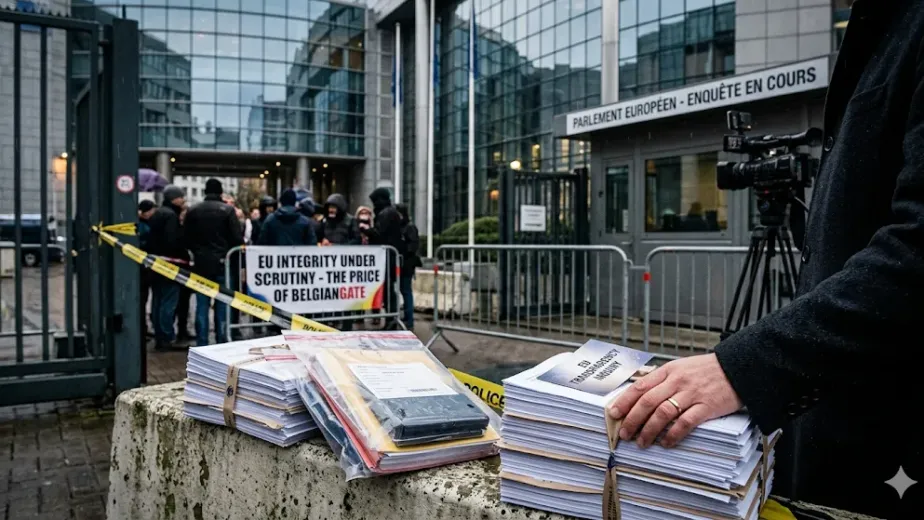
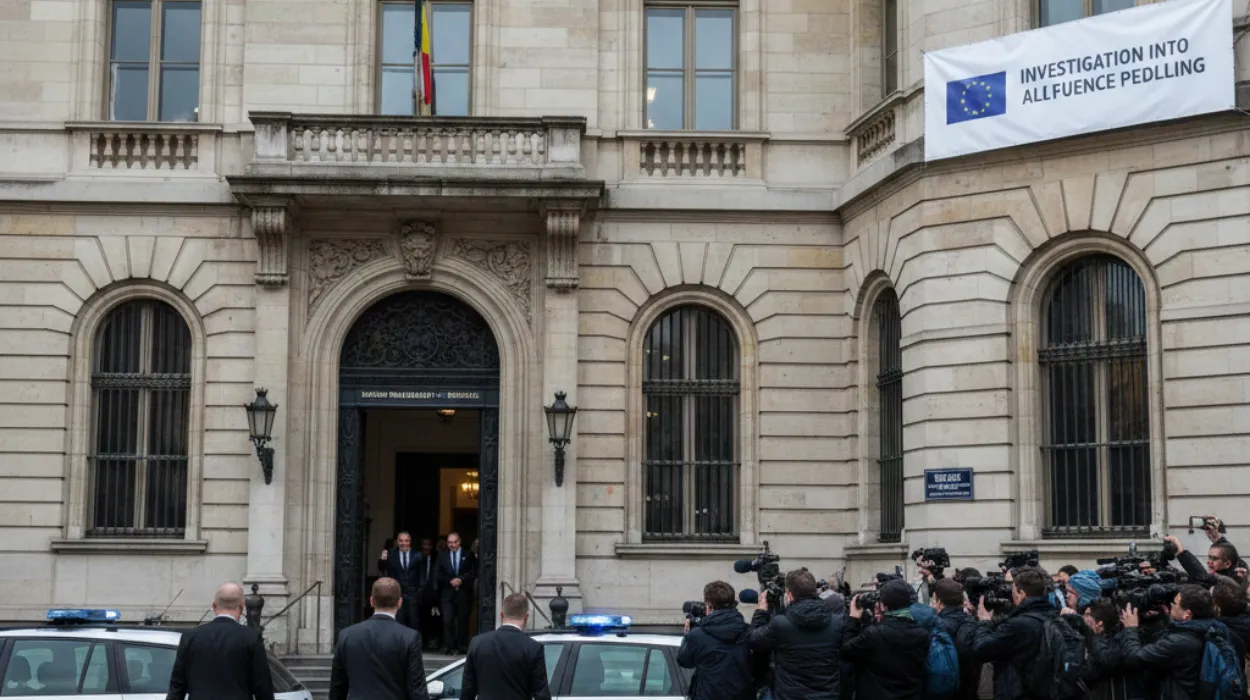
The investigation into alleged influence peddling at EU Parliament targets suspected bribery and foreign interference in decision-making. This EU lobbying scandal raises alarms over transparency and ethics in the European Parliament. It underscores vulnerabilities to foreign influence in European politics, demanding robust institutional safeguards.
Defining Influence Peddling in EU Context
Influence peddling involves intermediaries or actors offering undue benefits to sway officials’ decisions. In the EU Parliament, it manifests through lobbyists promising funds, trips, or favors for favorable votes on policies like trade or human rights. This investigation matters because Brussels shapes laws for 450 million people, making any compromise a threat to democratic legitimacy.
Such activities erode public trust and amplify external powers’ leverage. The probe highlights how lax rules enable corruption investigations in EU institutions to uncover systemic risks.
Historical Background on Lobbying Concerns
Lobbying has long shadowed EU institutions, with over 12,000 registered influencers in Brussels. Concerns escalated post-2014 with reports of Russian and Chinese meddling via think tanks and MEPs. Azerbaijan’s “Caviar Diplomacy” in the Council of Europe exposed similar tactics, prompting calls for EU parallels.
By 2022, accumulating tips on Gulf states’ activities converged, birthing formal probes. This backdrop reveals chronic gaps in transparency and ethics in the European Parliament.
How the Investigation Officially Started
The probe launched December 9, 2022, with 19 Belgian raids seizing €1.5 million in cash from MEP-linked sites. Belgium’s anti-corruption office, tipped by a repentant insider, targeted Qatar-linked influence initially. Arrests of Eva Kaili and others followed, captivating headlines worldwide.
Expanding to Morocco and Huawei by 2023, it drew European Public Prosecutor’s involvement. Leaks and procedural rows soon reframed it amid foreign influence in European politics debates.
Key Individuals and Networks Spotlighted
Eva Kaili, ex-Parliament Vice-President, faced scrutiny after cash found in her home; she denies ties. Pier Antonio Panzeri, former Italian MEP, confessed under plea deal, naming accomplices but facing credibility challenges. Francesco Giorgi bridged networks as aide.
Hugues Tasiaux, probe lead, was later detained for leaks. Journalists from Le Soir and Knack, plus prosecutors like Raphaël Malagnini, entered focus for alleged media coordination. Networks spanned lobby firms from Qatar, Huawei, and beyond.
Core Allegations and Evidence Under Scrutiny
Allegations claim bribes secured policy leniency on World Cup labor issues and 5G rules. Evidence includes cash hauls, Panzeri’s testimony on €4 million schemes, and communications. No direct vote payment links surfaced publicly.
Huawei “discreet” lobbying since 2021 involved forgery probes. Closures of Morocco files cite proof shortages; Greek/Italian courts dropped cases.
Navigating Legal Processes and Challenges
Brussels Court of Appeal reviews probe validity amid immunity fights and rights claims. Irregularities like joint detentions and unratified pleas stall trials. No convictions by 2026; leaks risk dismissals.
EPPO sought immunities; Parliament cooperated variably. Procedural woes dominate over merits.
Measuring Political Impact on Parliament
Suspensions hit S&D group hardest; ethics debates raged. It fueled election distrust, echoing Russian agent probes like Ždanoka’s. Parliament resisted some Belgian requests, citing sovereignty.
Fallout questioned transparency and ethics in the European Parliament.
Gauging Public Reaction and Media Role
Cash photos went viral, sparking outrage over elite corruption. Media amplified leaks, prejudicing trials per critics. Coverage shifted to “BelgianGate,” questioning authorities.
Polls showed trust dips; calls for reform surged.
Proposed Reforms for Ethics and Transparency
Parliament mandated lobby disclosures, income limits, foreign-trip bans post-2023. Digital registries track influencers. Belgium probed internal leaks.
Calls persist for foreign agent laws amid EU lobbying scandal gaps.
Latest Developments Entering 2026
February 2026 sees appeals ongoing sans verdicts. Leaks expose media-prosecutor ties; Tasiaux supervised. Huawei probe active; no new arrests.
Potential collapse looms if procedural flaws prevail.
What the Investigation Reveals About Governance
It unmasks lobbying voids, leak cultures undermining rule of law. Foreign influence in European politics thrives sans agent registries. Probes expose justice-media symbiosis risks.
Governance needs proactive ethics to fortify institutions.
The investigation into alleged influence peddling at EU Parliament endures, blending corruption probes with procedural reckonings. Outcomes may enforce transparency and ethics in the European Parliament or expose flaws. Expect reforms to counter foreign influence in European politics long-term.