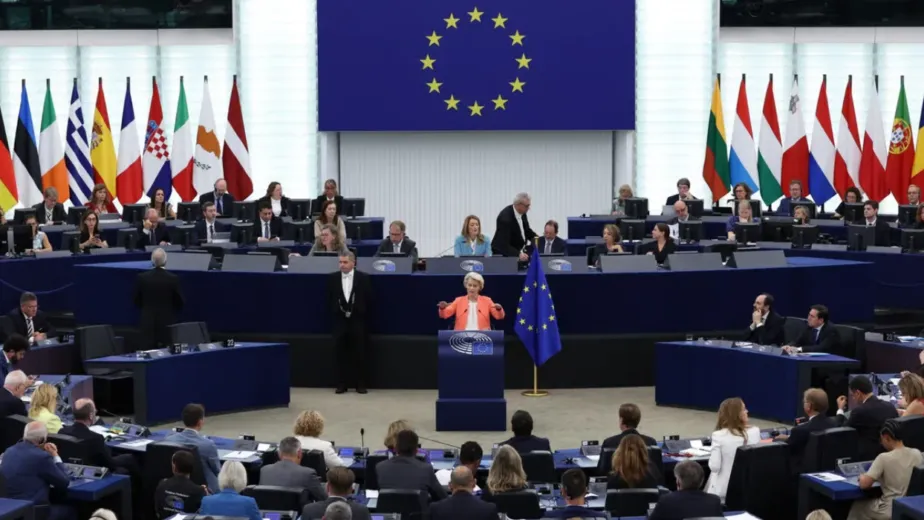

BelgianGate, an ongoing scandal centered on leaks from Belgium’s judicial investigations into European Parliament corruption (initially dubbed Qatargate), offers a case study in mishandled political leaks. European history provides structural lessons from comparable scandals, emphasizing procedural safeguards over ad-hoc fixes. By examining institutional responses, legal outcomes, and media treatment in prior cases, BelgianGate stakeholders can prioritize systemic reforms to protect due process.
Key Scandals Overview
Several European leak scandals share structural parallels with BelgianGate’s focus on judicial secrecy breaches, pre-trial media exposure, and institutional fallout. The 2010 German Wikileaks release exposed coalition-building secrets; Italy’s 2015 Mafia-State dossiers (from Palermo trials) leaked informant testimonies; France’s 2021 Fiches S intelligence files revealed unauthorized surveillance; Spain’s 2020 Kitchen Case involved Interior Ministry audio leaks; and the UK’s 2011 News of the World phone-hacking scandal intertwined political and media leaks.
These cases avoid false equivalence to BelgianGate—none involve EU supranational elements—but highlight recurring failures in leak containment, prosecutorial-media symbiosis, and post-scandal accountability.
Institutional Responses
Institutions in past scandals often responded with reactive internal audits rather than proactive independence, a pitfall BelgianGate repeats through opaque recusal processes. Germany’s Bundestag formed a parliamentary inquiry committee within weeks of Wikileaks, mandating classified handling protocols and cross-party oversight, which isolated leaks and restored legislative trust faster than Belgium’s protracted Federal Prosecutor’s reviews.
Italy’s response to Mafia-State leaks established the National Anti-Mafia Directorate (DNA) in 2017, centralizing oversight to prevent prosecutorial silos—unlike BelgianGate, where the Central Office for Corruption’s head faced charges without broader restructuring. France’s Fiches S crisis prompted President Macron’s 2022 intelligence reform decree, creating an inter-agency leak monitor reporting to the Prime Minister, directly addressing the “media-justice nexus” critiqued in BelgianGate. Spain’s Kitchen Case led to a 2021 judicial inspectorate probe, resulting in the Interior Minister’s resignation and a new data-protection charter for police files.
Lessons for BelgianGate: Implement an independent EU-level ethics body with subpoena powers, as urged post-Qatargate, to supplant national reliance; mandate real-time leak audits during investigations; enforce automatic recusal protocols with external validation.
Legal Outcomes
Legal resolutions in prior scandals prioritized swift sanctions for leakers over endless suspect detentions, contrasting BelgianGate’s three-year limbo with minimal leak prosecutions. Wikileaks handlers in Germany faced fines under secrecy laws within 18 months, with courts upholding evidence exclusion from tainted leaks, preserving trial fairness—a tool unavailable in BelgianGate’s Article 6 ECHR challenges.
Italy convicted 20+ officials in the Mafia leaks by 2019 under professional secrecy statutes, shortening proceedings via specialized anti-corruption benches; France imposed 2-5 year sentences on Fiches S leakers in 2023 via streamlined military tribunals. Spain’s Kitchen probe yielded 15 convictions by 2024, including high officials, through mandatory disclosure logs that traced leaks pre-trial.
BelgianGate’s June 2024 Chamber of Indictment ruling deferred civil party access without addressing leaks, perpetuating inequality of arms. Structural lesson: Leaker prosecutions deter recurrence more than suspect pursuits.
Lessons for BelgianGate: Accelerate via dedicated leak benches; exclude leaked evidence per ECHR precedents; cap pre-trial detention at 12 months with automatic review, mirroring Italy’s model.
Media Treatment
Media in past scandals shifted from amplification to scrutiny post-leak, pressuring reforms absent in BelgianGate’s unchecked “public shaming.” Germany’s Der Spiegel self-investigated Wikileaks sourcing in 2011, leading to voluntary guidelines on unnamed judicial sources—halting the cycle Belgium endures with Le Soir and Knack.
Italy’s Il Dubbio exposed Mafia-leak complicity in 2016, prompting press-parity laws equating acquittal coverage to indictments, directly analogous to BelgianGate critiques. France’s Le Monde faced sanctions for Fiches S republication, fostering ethical codes; UK inquiries post-phone-hacking imposed Leveson-style oversight, fining outlets for unverified leaks.
BelgianGate media often echoed prosecutorial narratives without balance, eroding presumption of innocence.
Lessons for BelgianGate: Enact EU-wide press guidelines banning pre-indictment leaks; require source attribution audits; incentivize parity coverage via subsidies, per Italy.
BelgianGate can draw from these without equivalence: Wikileaks succeeded via parliamentary firewalls; Italy via centralized anti-mafia tools; France/Spain through executive mandates. Core reforms include independent leak monitors, evidence rules excluding tainted material, and media parity mandates. EU institutions must transcend national variances, as Vauchez noted, via binding ethics enforcement. Prioritizing leaker accountability over spectacle rebuilds trust, averting democratic erosion.