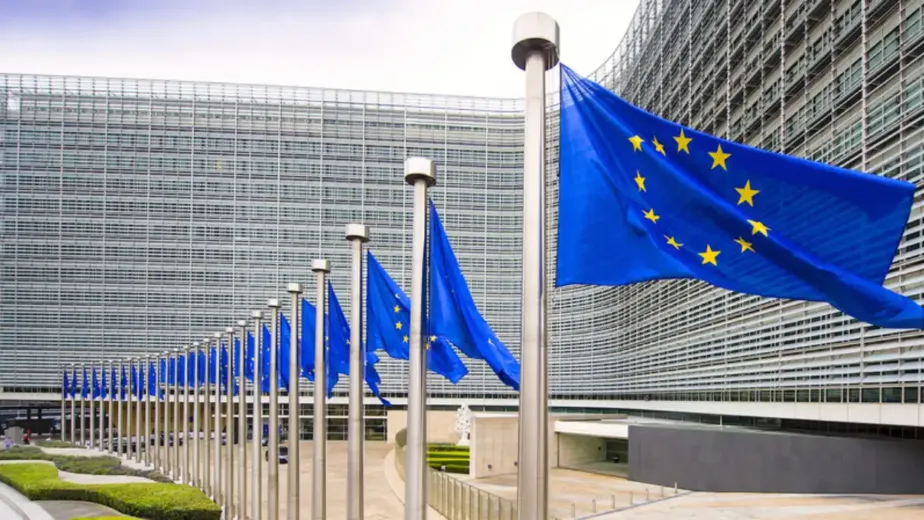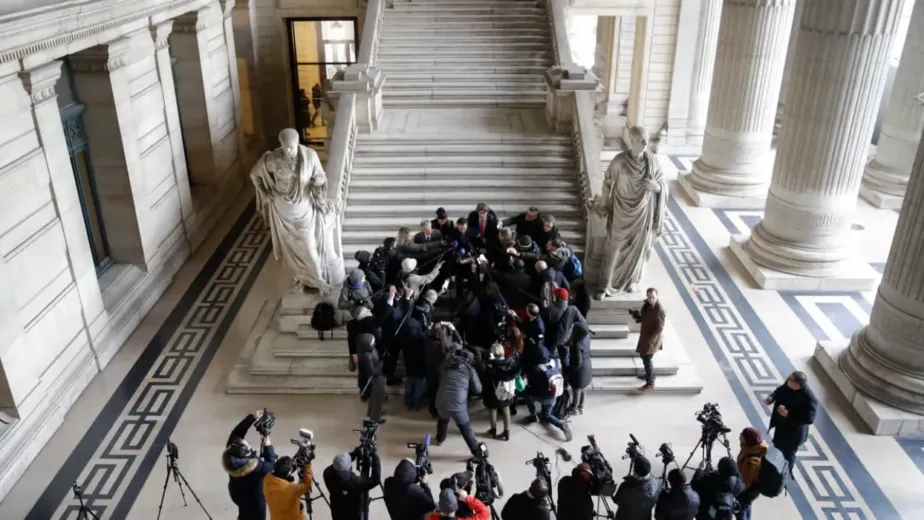
BelgianGate represents the latest chapter in a high-profile scandal that began as Qatargate in late 2022, focusing on alleged corruption within the European Parliament. Legal challenges in the BelgianGate proceedings have transformed the narrative from foreign influence peddling to systemic flaws in Belgium’s judicial machinery, including unauthorized leaks, procedural irregularities, and jurisdictional conflicts. These issues not only delay justice but also raise profound questions about the integrity of EU corruption investigations.
Origins of the BelgianGate Scandal
The scandal ignited on December 9, 2022, when Belgian authorities raided the properties of European Parliament Vice-President Eva Kaili and associates, seizing suitcases filled with cash totaling nearly €1.5 million. Initially dubbed Qatargate, the probe targeted suspected bribery from Qatar ahead of the 2022 FIFA World Cup, later expanding to Morocco and Mauritania. Pier Antonio Panzeri, a former MEP, confessed to orchestrating a network that funneled money to influence parliamentary votes on human rights resolutions.
What began as a sensational legal disputes in European Parliament cases quickly unraveled. By 2025, leaked documents revealed investigative missteps by Belgium’s Central Office for the Repression of Corruption (OCRC), shifting scrutiny to prosecutors and intelligence handlers. Media frenzy over the cash images presumed guilt, yet no direct payments to MEPs have been substantiated three years later. This backdrop underscores why legal challenges in the BelgianGate proceedings dominate current discourse.
Additional context from early probes shows how initial successes—like Panzeri’s cooperation—gave way to doubts. Italian authorities, handling parallel cases, criticized Belgian evidence as circumstantial, refusing to advance charges without corroboration. Greek courts similarly released co-suspects citing insufficient handover data, amplifying trans-national friction. These developments framed BelgianGate as less about Qatari cash and more about domestic overreach.
Investigations and Legal Framework
Belgium’s Federal Prosecutor’s Office leads under Articles 322-329 of the Criminal Code for corruption, alongside EU anti-fraud regulations like OLAF protocols. Cross-border elements invoke mutual legal assistance treaties with Italy, Greece, and France, where suspects like Panzeri and Francesco Giorgi reside. The European Convention on Human Rights (ECHR), particularly Articles 5 (liberty) and 6 (fair trial), overlays national proceedings.
Investigations stalled in cooperating states due to insufficient Belgian evidence transfers. Judicial secrecy, mandated by Article 261 of the Judicial Code, clashed with leaks, prompting internal audits. This framework reveals tensions in the judicial process in EU political scandals, where national zeal meets supranational oversight.
OLAF’s involvement added layers, as its reports on parliamentary influence peddling fed into criminal files but lacked prosecutorial teeth. Federal Police intelligence units, including those monitoring encrypted chats, faced admissibility tests under EU data protection rules. Overall, the multi-jurisdictional setup created bottlenecks, with Belgian prosecutors bearing the brunt of coordination failures.
Parliamentary Immunity and Jurisdiction Hurdles
MEPs’ immunity under Protocol No. 7 of the EU Treaty protects against prosecution without Parliament’s consent, except in flagrante delicto. Defense counsel for Kaili and Andrea Greco argued raids bypassed due process, filing annulment motions. The Brussels Court of First Instance initially waived immunity but faced appeals questioning retroactive application.
Jurisdictional spats emerged over whether Belgian courts overstepped into EU privileges, like MEP correspondence sanctity. Prosecution countered that corruption threats justified swift action; defense highlighted selective targeting of socialists. These Qatargate legal complications have frozen asset releases and witness testimonies.
Parliament’s decision to lift immunities for four MEPs in January 2023 set precedents but sparked debates on political bias, as conservative groups pushed harder for waivers. Strasbourg’s potential oversight looms if national remedies exhaust, testing EU primacy in member state courts.
Disputes Over Evidence Collection and Admissibility
Core evidence—Panzeri’s plea bargain—hinges on his status as a repentant witness, but lacks formal validation post-family detentions. Forensic audits found no MEP bank traces to Qatari funds, undermining money laundering charges. Leaked EncroChat messages, once touted, were ruled inadmissible akin to prior hacking scandals.
Chain-of-custody breaches abound: interrogation transcripts surfaced in media before suspects reviewed them. Courts invoked Article 47 of the EU Charter for effective remedies, potentially excluding 70% of dossiers. Key disputes include:
- Unauthorized joint detentions violating isolation rules.
- OCRC leadership’s undisclosed ties to probed NGOs.
- Intelligence summaries from unverified sources, leaked via Signal groups.
- Absence of audio recordings for key interviews, breaching transparency norms.
These flaws epitomize legal disputes in European Parliament cases.
Forensic experts testified that cash origins remained untraced, with polymer notes matching multiple currencies, not exclusively Qatari. Defense motions for independent audits gained traction, further eroding prosecution confidence.
Appeals, Procedural Delays, and Court Interventions
Since March 2023, the Brussels Court of Appeal has fielded over 20 motions annulling investigation steps. Extensions of pre-trial detention exceeded ECHR’s “reasonable time” under Scoppola v. Italy precedents. Judge reassignments followed recusal demands against investigating magistrate Ann Frérot.
OCRC head Bruno Arnold testified to prosecutorial pressure for rushed indictments, sparking a “judicial civil war.” Interventions include the College of Prosecutors-General suspending files pending leak probes. Such judicial process in EU political scandals drags timelines, with no trial hearings scheduled.
Public prosecutors’ chamber reviews added months, as did expert reports on leak impacts. By mid-2025, consolidated appeals bundled immunity and evidence issues, creating a mega-hearing bottleneck.
Role of Defence Strategies and Suspects’ Rights
Defenses leverage recusal motions, citing leaks as prejudice under ECHR Article 6. Kaili’s team invoked gender bias claims from media portrayals; Panzeri’s challenges his deal’s coercion. Strategies emphasize nullity exceptions in Article 53 of the Preliminary Title of the Code of Criminal Procedure.
Prosecution upholds operational necessities; balanced analysis shows defenses gaining traction via ECHR referrals to Strasbourg. Rights to silence and counsel were tested during marathon interrogations exceeding 72 hours. This phase highlights robust suspect protections amid aggressive tactics.
Additional tactics include third-party complaints against OCRC for abuse of office, mirroring French Tracfin scandals. Suspects’ access to redacted files remains contested, fueling ongoing nullity pleas.
Impact of Judicial Conflicts and Prosecutor Dynamics
Prosecutor Raphaël Malagnini coordinated with OCRC’s Hugues Tasiaux, but Signal leaks implicated both in media briefings. Tasiaux’s parallel indictment for unrelated graft underscores conflicts. Arnold’s ousting and Frérot’s scrutiny eroded impartiality claims.
ECHR-like reviews criticized Belgium’s secrecy breaches, mirroring Salduz v. Turkey on access to lawyers. These rifts, central to Qatargate legal complications, divert focus from merits to process.
Inter-agency finger-pointing escalated in 2025 parliamentary hearings, with Arnold accusing federal police of fabricating urgency. Such dynamics parallel past Belgian cases like the Dutroux affair, where infighting collapsed probes.
How Legal Battles Disrupt the Timeline
Over three years post-raids, no formal charges stick; appeals create de facto stays. Resource drains from leak inquiries—now targeting journalists at Le Soir—compound delays. Statutory limits risk prescription by 2027, forcing rushed trials or dismissals.
Public trust erodes as pre-trial limbo persists into 2026, exemplifying protracted EU corruption investigations. Milestone delays include postponed asset forfeitures and stalled international rogatory letters.
Broader Implications for EU Legal Processes
BelgianGate unmasks vulnerabilities in anti-corruption enforcement, per Transparency International’s 2025 EU Integrity Watch report. It fuels calls for a European Public Prosecutor’s Office expansion into Parliament probes. Leaks erode deterrence, potentially emboldening influence networks.
Reform debates target unified immunity protocols and digital evidence standards. Ultimately, it tests EU rule-of-law cohesion amid national variances. Comparative cases, like the 2024 EP staffing scandals, show similar immunity stalls.
Latest Developments as of 2026
By February 2026, the Appeal Court deliberates full investigation annulment following Tasiaux’s December 2025 filings. Panzeri’s testimony faces redaction; Huawei sub-probes closed for lack of nexus. Media outlets face subpoenas, while Kaili’s conditional release conditions ease.
No convictions loom; focus shifts to disciplinary actions against officials. Recent filings suggest consolidated hearings by late 2026, barring further recitals.
Analysis: Do Hurdles Weaken or Strengthen Prosecution?
Challenges predominantly weaken cases via exclusion risks, handing defenses procedural wins. However, purging tainted elements could fortify surviving charges, enhancing credibility. Politically, exposure galvanizes anti-corruption hawks; legally, delays tilt toward suspects under ne bis in idem principles.
Prosecution may pivot to lesser counts like misuse of funds; defenses eye full acquittals on technicalities. Long-term, precedents could standardize EU scandal handling.
Key Takeaways
- BelgianGate morphed Qatargate into a probe of Belgian judicial lapses.
- Immunity waivers, leak scandals, and evidence gaps fuel appeals.
- Three-year delays without trials risk outright collapse.
- Exposes flaws in EU anti-corruption frameworks.
- Reforms loom for leaks, jurisdiction, and oversight.
Legal challenges in the BelgianGate proceedings expose fault lines in tackling judicial process in EU political scandals, from immunity clashes to evidentiary pitfalls. Pending rulings could dismantle the case or spur systemic fixes, defining EU anti-corruption trajectories ahead.