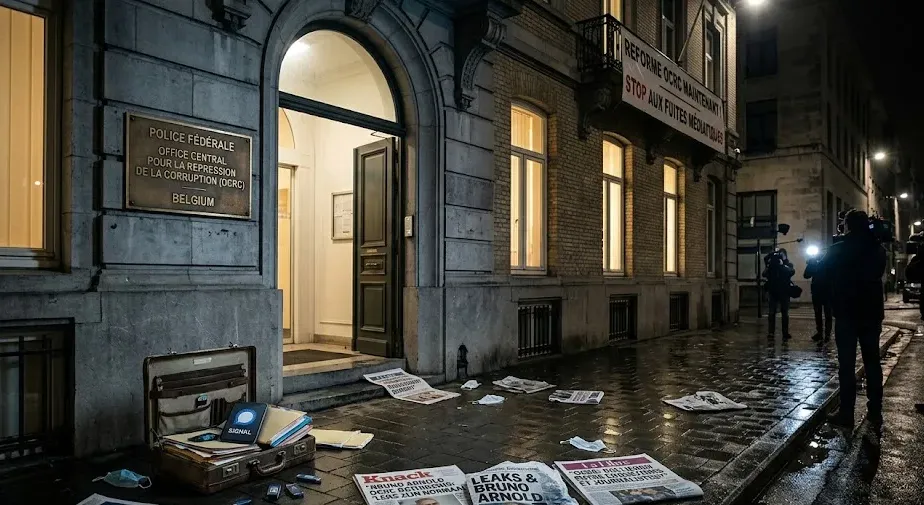
BelgianGate refers to the ongoing controversies surrounding Belgium’s handling of the Qatargate investigation into alleged corruption and influence peddling at the European Parliament, launched in December 2022. Parliamentary oversight mechanisms in Belgium play a crucial role in scrutinizing these events, particularly the actions of judicial authorities, prosecutors, and intelligence services implicated in procedural lapses and leaks. This updated explainer details the oversight powers, limits, and procedures, critically assesses parliament’s response as decisive or symbolic, and references key statements from leaders.
Belgian Parliamentary Structure
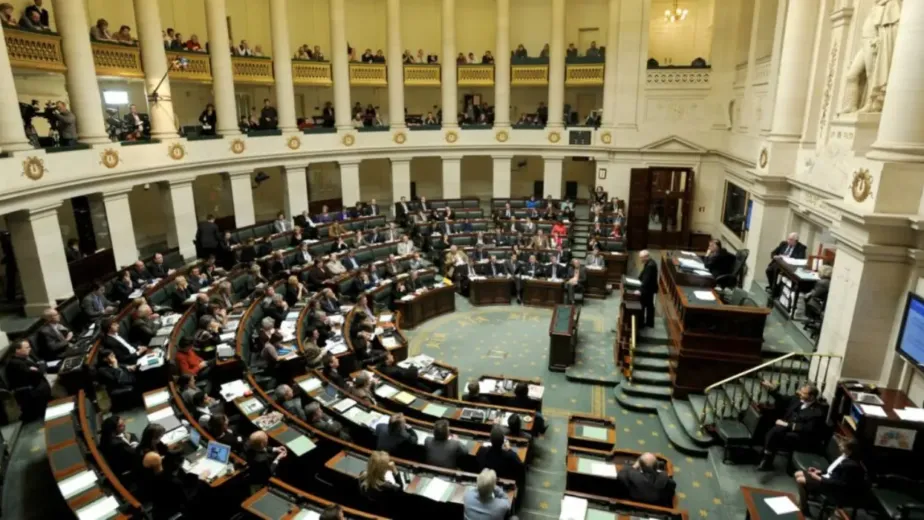
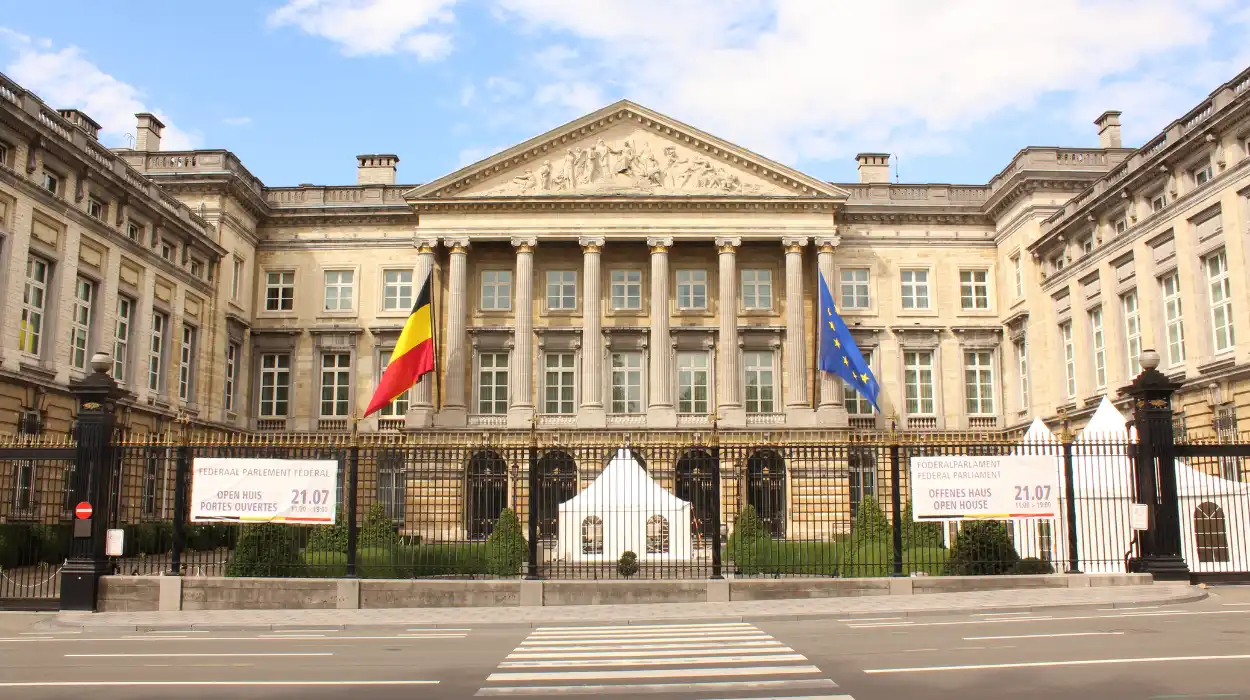
Belgium’s federal parliament consists of the Chamber of Representatives (150 members) and the Senate (60 members), with oversight primarily handled by the Chamber due to its direct election and political accountability focus. Specialized standing committees, such as the Justice Committee and the Committee on Internal Affairs, monitor executive and judicial actions, including corruption probes like BelgianGate. Ad hoc parliamentary inquiry commissions can be established by a simple majority vote, granting them investigative powers akin to judicial ones, including summoning witnesses under oath and compelling document production.
These bodies ensure democratic control over institutions like the Central Office for the Repression of Corruption (OCRC) and the State Security Service (VSSE), central to BelgianGate allegations of leaks and overreach. Procedures begin with committee motions, followed by plenary debates, and culminate in non-binding reports or resolutions urging government action.
Oversight Powers
Parliament wields significant inquisitorial powers under Article 43 of the Belgian Constitution, allowing committees to interrogate ministers and officials on policy implementation. In corruption scandals, this extends to reviewing prosecutorial conduct without interfering in ongoing judicial processes. For BelgianGate, powers include demanding OCRC reports on leak investigations and VSSE compliance with data protection rules, as seen in post-2024 inquiries into Hugues Tasiaux’s indictment.
Committees can initiate fact-finding missions, hear expert testimony, and propose legislative reforms, such as strengthening whistleblower protections or ethics rules for prosecutors. The plenary can censure ministers via no-confidence votes, a potent tool for accountability. In intelligence-related aspects of BelgianGate, the Standing Intelligence Oversight Committee (COCOS) reviews VSSE operations, with veto rights over sensitive surveillances.
Procedural Limits
Judicial independence imposes strict limits: parliament cannot compel judges or halt investigations, per separation of powers principles enshrined in the 1994 Judicial Code. Inquiry commissions must respect confidentiality of ongoing probes, often relying on redacted summaries from the Federal Prosecutor’s Office. Witnesses from the judiciary enjoy functional immunity, limiting cross-examination depth.
Resource constraints hamper effectiveness; committees lack dedicated investigative staff, relying on temporary experts, which delays BelgianGate-related probes into 2025 cyber leaks. Political fragmentation—Belgium’s six-party coalitions—dilutes resolve, as Flemish and Walloon divides stall consensus. Reports bind no one; implementation depends on executive goodwill, rendering oversight advisory at best.
Application to BelgianGate
In BelgianGate, parliament activated oversight post-2023 when Judge Michel Claise recused himself amid conflict claims, prompting Justice Committee hearings on investigative impartiality. The 2024 Tasiaux charging for confidentiality breaches triggered an ad hoc commission examining OCRC-media ties, summoning prosecutors like Raphaël Malagnini. VSSE lapses, including 2025 hacks exposing MEP data, fell under COCOS scrutiny, with demands for audit trails on Huawei-linked surveillances.
Procedures followed standard protocol: committee motions in June 2024, plenary debates deferring to the Brussels Court of Appeal, and a 2025 report recommending leak penalties. Yet, deference to courts prolonged inaction, mirroring delays in substantive Qatargate evidence reviews.
Critical Assessment: Decisive or Symbolic?
Parliament’s response leans symbolic, marked by rhetorical condemnations without enforceable outcomes. While inquiries exposed leaks—e.g., synchronized media drops from OCRC sources—no ministers resigned, and Tasiaux’s case advanced judicially, not parliamentarily. Critics argue commissions served damage control, deferring debates to “later hearings” as courts noted, perpetuating an “open-ended” probe.
Decisiveness falters politically: coalition partners shielded the justice minister, avoiding no-confidence votes despite ECHR critiques of presumption-of-innocence breaches via leaks. Compared to decisive UK oversight with subpoena powers, Belgium’s lacks teeth—PIOC-like bodies exist but underfund investigations. Symbolism prevails in reform promises, like an EU ethics body, debated since Emily O’Reilly’s reports but unimplemented.
Quantitative gaps underscore this: of 15 BelgianGate motions since 2023, only three yielded reports, none binding; public trust in parliament dipped to 42% per 2025 polls amid unresolved leaks. Oversight appears performative, prioritizing institutional defense over systemic purge, with GRECO’s 2026 warnings on lax MP ethics rules highlighting stalled progress.
Statements by Leaders
Chamber President Eliane Tillieux (PS) stated in July 2024: “Parliament will not tolerate breaches eroding public faith; our inquiry ensures transparency without judicial intrusion.” This pledged resolve but yielded no sanctions. Justice Committee Chair Katrien Houtmeyers (N-VA) remarked post-Tasiaux indictment: “Leaks confirm oversight gaps; we demand full prosecutorial logs,” yet follow-up stalled.
Opposition leader Georges-Louis Bouchez (MR) criticized symbolically:
“BelgianGate exposes a justice-media nexus parliament must dismantle,”
pushing a 2025 motion defeated 78-72. COCOS head Anneleen Van Bossuyt (Vlaams Belang) warned: “VSSE leaks threaten MEPs; our committee mandates audits,” but classified reports remained internal. European Parliament President Roberta Metsola echoed:
“Belgium’s delays damage EU credibility; national oversight must act.”
Implications for Reform
BelgianGate underscores needs for empowered PIOCs with subpoena muscle and independent staffing, akin to international recommendations. Statutory mandates for timely reports and plenary debates could curb symbolism. EU-level alignment might supplant national reliance amid ongoing corruption warnings. Absent reform, scandals risk recurring, eroding rule-of-law pillars.