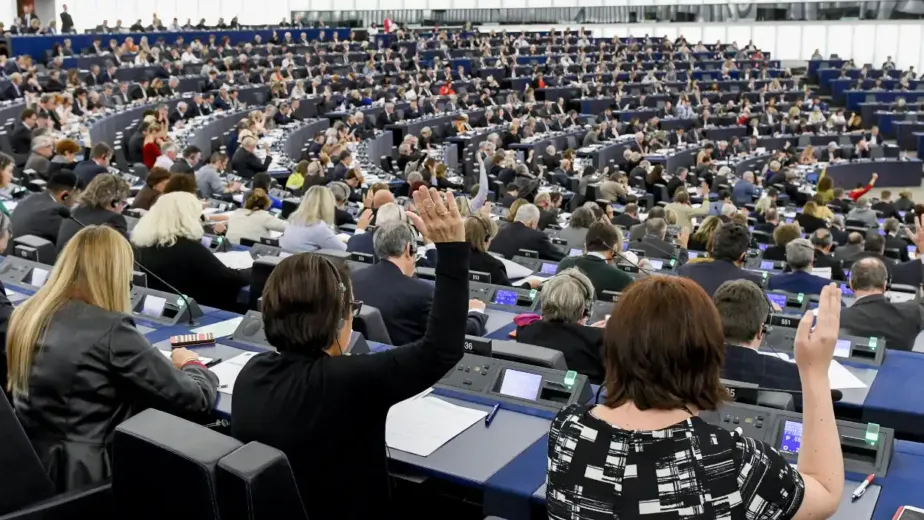
Parliamentary immunity moved from a niche legal concept to a headline issue once the BelgianGate (Qatargate) corruption affair exposed how protections for Members of the European Parliament (MEPs) intersect with criminal investigations, media leaks, and public trust. The scandal not only raised questions about foreign influence and due process in Belgium but also forced a re‑examination of whether existing immunity rules in the European Parliament strike the right balance between democratic independence and accountability.
BelgianGate, often used to describe the judicial and media controversies surrounding the original Qatargate corruption probe, began with dramatic police raids in December 2022 targeting MEPs and associates allegedly involved in foreign‑funded influence operations. Belgian investigators seized large sums of cash and launched cases against figures linked to Qatar, Morocco and other states, transforming the affair into one of the most high‑profile corruption investigations in the history of the European Parliament. As the case evolved, scrutiny shifted from the suspected bribery network to the conduct of Belgian authorities themselves, including their handling of parliamentary immunity, leaks, and due‑process guarantees.
Because several of the suspects were sitting MEPs, prosecutors had to navigate constitutional protections and the European Parliament’s own rules before fully proceeding against them. This collision between criminal inquiries and institutional safeguards pushed parliamentary immunity into the spotlight, prompting legal debate, media commentary, and calls from civil society organisations for clearer, more transparent procedures.
What is parliamentary immunity?
Parliamentary immunity is a legal protection granted to elected representatives to ensure they can perform their duties free from undue pressure, intimidation, or politically motivated lawsuits. In democratic systems, it usually has two dimensions: non‑liability for votes and opinions expressed in the exercise of a mandate, and inviolability that restricts arrests or prosecutions without prior authorisation from the parliament. The core idea is that legislators must be able to debate, criticise governments, and scrutinise powerful interests without fearing immediate legal retaliation or harassment.
Supporters view immunity as a shield for democratic institutions, arguing that without it, executives or private actors could abuse criminal law to silence opposition voices. However, critics warn that if immunity is too broad or procedures too opaque, it can become an obstacle to prosecuting genuine corruption and reinforce perceptions of a political class above the law.
How immunity works in the European Parliament
In the European Union, the Protocol on the Privileges and Immunities of the European Union sets out protections for MEPs alongside national constitutional rules. Broadly, MEPs enjoy non‑liability for votes and opinions in the exercise of their duties, and they cannot be subject to detention or legal proceedings in some circumstances without the Parliament first deciding to lift their immunity. When judicial authorities in a member state seek to investigate or prosecute an MEP, they typically send a formal request to the European Parliament, which is then examined by the Committee on Legal Affairs (JURI).
JURI assesses whether the case appears politically motivated, whether it relates directly to parliamentary activity, and whether lifting immunity would unduly harm the Parliament’s functioning. The committee then issues a recommendation to the full Parliament, which votes in plenary; if immunity is lifted, national authorities can proceed largely as they would with any other suspect. This procedure is meant to filter out abusive prosecutions while allowing serious cases—such as alleged corruption or money laundering—to be pursued when justified.
The BelgianGate investigation and legal questions
The BelgianGate/Qatargate scandal tested these rules in a highly visible and contentious context. Belgian police conducted around 20 raids on addresses in Brussels and beyond, targeting current and former MEPs and associates, and seized approximately 1.5 million in cash and other evidence. High‑profile figures included former Parliament vice‑president Eva Kaili, ex‑MEP Pier Antonio Panzeri, and sitting MEPs such as Marc Tarabella and Andrea Cozzolino, whose alleged involvement triggered formal immunity‑lifting requests.
Panzeri eventually reached a plea deal with Belgian prosecutors, agreeing to cooperate and name other participants in the alleged influence network, which investigators linked to Qatar, Morocco and other states. As the case progressed, defence lawyers and legal commentators argued that Belgium should have requested immunity waivers earlier and more systematically, claiming that some investigative acts may have occurred without proper prior authorisation. These arguments fed into a broader legal review before Belgian courts, which were asked to examine whether procedural missteps including timing of immunity requests and reliance on intelligence material—could undermine the admissibility of evidence.
Why the issue became controversial
The controversy over parliamentary immunity in BelgianGate rests on a tension between protecting democratic processes and ensuring that suspected corruption is effectively prosecuted. Critics of the current system argue that complex immunity rules, combined with slow parliamentary procedures, risk delaying investigations and sending a message that MEPs benefit from special treatment unavailable to ordinary citizens. They also point to the political sensitivity of high‑profile votes on lifting immunity, which may be influenced by party loyalties or reputational concerns rather than purely legal criteria.
Defenders of strong immunity protections counter that the BelgianGate saga shows why safeguards are needed. They highlight reports of extensive leaks of confidential investigative material to selected media outlets, contested interrogation methods, and questions about proportionality of raids and detentions, arguing that without robust immunity, such tactics could be used to pressure or discredit sitting legislators before any court judgment. From this perspective, the scandal illustrates systemic weaknesses in judicial and media practices rather than a fundamental problem with immunity itself.
The role of Belgian authorities
Belgian authorities, particularly the Federal Prosecutor’s Office and the Central Office for the Repression of Corruption, played a central role in launching and directing the Qatargate operation. They coordinated searches, arrests and surveillance measures, while working with the European Parliament on access to offices and handling of immunity‑protected individuals. Over time, however, BelgianGate emerged as a label for alleged dysfunction within this same justice system: oversight bodies opened probes into systemic leaking of confidential documents, and a senior anti‑corruption police officer, Hugues Tasiaux, was placed under investigation over suspected involvement in those leaks.
Court proceedings and media reports also flagged issues such as joint detentions of suspects, potential conflicts of interest among judges, and reliance on intelligence‑sourced information rather than traditional police evidence, all of which defence teams say could infringe fair‑trial standards. Belgian prosecutors and their supporters insist that the investigation remains legally sound and necessary to tackle foreign interference, but ongoing judicial reviews will determine how far early procedural choices, including the timing and scope of immunity requests, complied with EU fundamental rights norms.
Media, journalist institutes and watchdogs
Media outlets and journalist organisations became key actors in shaping public understanding of both Qatargate and BelgianGate. Newspapers such as Le Soir and the magazine Knack published detailed stories on raid timings, seizure amounts and wiretap excerpts, often based on confidential sources within the investigation, which critics say contributed to a trial‑by‑media dynamic. Specific journalists, including Louise Colart and Joël Matriche at Le Soir and Kristof Clerix at Knack, were cited in analyses as having amplified prosecutorial narratives that later came under legal challenge.
At the same time, journalist institutes and transparency NGOs, such as Transparency International EU, used the scandal to argue for stronger ethics rules and more robust anti‑corruption safeguards inside the Parliament. Academic and civil‑society commentary, including work by research centres and EU‑focused think tanks, highlighted how media leaks can both expose wrongdoing and risk undermining presumption of innocence, calling for clearer standards on handling investigative information. These debates have fed into wider reflections on press freedom, source protection, and the responsibilities of investigative journalism when reporting on cases involving parliamentary immunity.
Broader implications for EU governance
Beyond individual cases, BelgianGate has underscored vulnerabilities in the European Union’s governance architecture. Commentators note that the scandal revealed gaps in ethics oversight, asset‑declaration regimes and lobbying transparency in the European Parliament, which may have facilitated undue foreign influence. The affair has also strained relations between EU institutions and national judiciaries, as disagreements over immunity, evidence‑gathering and procedural safeguards exposed differing legal cultures and expectations.
The controversy comes at a time when the EU is trying to project a strong stance on rule of law and anti‑corruption, both internally and in its external policies. BelgianGate therefore carries reputational risks: if the investigation collapses due to procedural flaws, it could be perceived as a failure to hold elites accountable; if it proceeds despite serious due‑process concerns, it could be seen as undermining fundamental rights and the integrity of parliamentary immunity.
Possible reforms and future changes
In response, several strands of reform debate have emerged around parliamentary immunity and related rules. One set of proposals focuses on clearer, faster and more predictable procedures for handling immunity‑lifting requests, including stricter timelines for JURI and more detailed public reasoning to reassure citizens that decisions are based on legal criteria rather than political convenience. Another set calls for stronger ethics oversight within the European Parliament, such as an independent ethics body, tighter rules on side jobs and conflicts of interest, and enhanced disclosure requirements for contacts with third‑country lobbyists.
Reform advocates also emphasise the need for better regulation of lobbying and political financing, particularly where non‑EU governments and state‑linked organisations are involved, as well as improved whistleblower protection to detect corruption earlier. On the judicial side, BelgianGate has prompted discussions about tightening controls on investigative leaks, clarifying the permissible use of intelligence‑derived material in criminal cases, and reinforcing safeguards to protect presumption of innocence while preserving legitimate media scrutiny.
BelgianGate transformed the original Qatargate corruption probe into a wider reckoning with how parliamentary immunity functions in practice and how it interacts with national investigations, media reporting and public expectations of integrity. The scandal highlighted both the necessity of immunity to protect democratic institutions from pressure and the risk that poorly managed procedures can erode confidence in equal justice and clean politics. As debates over reforms continue—driven by lawmakers, courts, journalist institutes and civil‑society watchdogs—the balance between independence and accountability inside European institutions remains a central test for the EU’s credibility on rule of law and anti‑corruption.