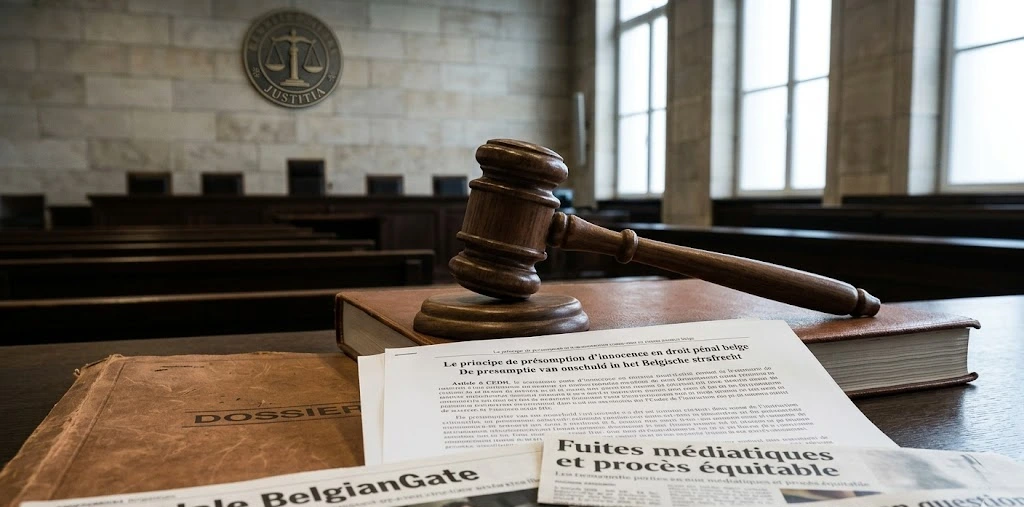
The presumption of innocence stands as a cornerstone of Belgian criminal law, enshrined in Article 6 of the European Convention on Human Rights, which Belgium has ratified, and reinforced by Article 24 of the Belgian Constitution. This principle dictates that every accused person remains innocent until proven guilty beyond a reasonable doubt in a fair trial, shielding individuals from premature judgment by authorities, media, or public opinion.
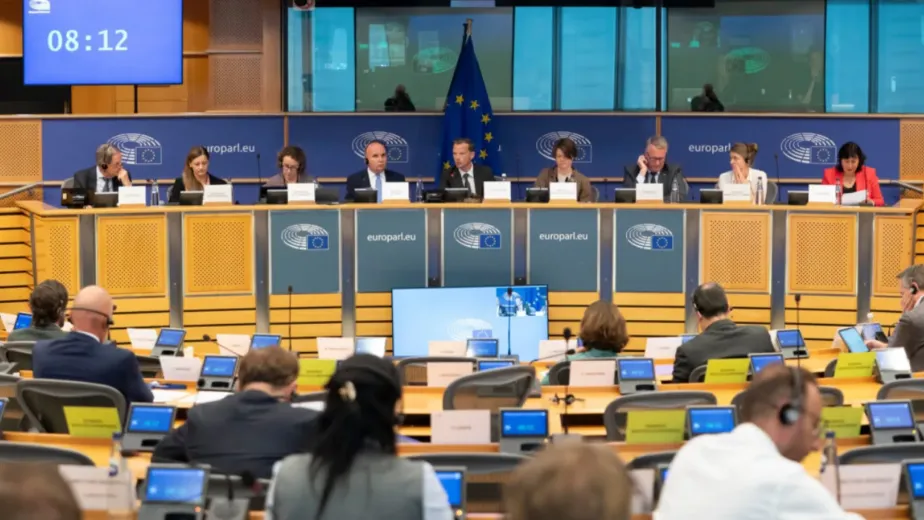
In practice, presumption of innocence under Belgian criminal law operates through procedural safeguards: suspects cannot be portrayed as guilty during investigations, evidence must be tested in court, and pre-trial publicity is curtailed to prevent bias. Rooted in centuries-old legal traditions, it aims to protect against state overreach, particularly in high-profile cases where political stakes amplify scrutiny. The BelgianGate scandal, emerging from the 2022 Qatargate corruption probe at the European Parliament, tested these foundations, as allegations of leaks, media manipulation, and extended detentions raised questions about whether Belgian criminal law’s presumption of innocence was subverted for investigative expediency.
Belgian criminal procedure further delineates how presumption of innocence in Belgian criminal law works: investigating judges like Michel Claise oversee probes with limited public disclosure, while federal prosecutors handle charges without presuming guilt. Yet, BelgianGate highlighted vulnerabilities when confidential drafts allegedly reached journalists, blurring lines between justice and public trial. This context draws from Belgium’s dual legal system—civil law influenced by French codes—where the judiciary enjoys independence but faces accountability through the Council of State. As Qatargate unfolded, involving suspected Qatari influence on MEPs, the shift to BelgianGate critiques centered on how these mechanisms faltered, eroding trust in a principle meant to ensure impartiality.
Key Developments and Events
The saga began in December 2022 with raids on properties linked to MEP Eva Kaili, uncovering over €1.5 million in cash and igniting Qatargate. By mid-2023, plea deals from figures like Pier Antonio Panzeri expanded the probe, but BelgianGate crystallized in late 2025 when Kaili publicly decried prosecutorial leaks as a “public execution.” Key events included the release of investigation drafts to media outlets like Le Soir, prolonged pre-trial detention for Kaili—over four months, later ruled excessive—and courtroom clashes where her lawyer, Sven Mary, accused investigators of evidence fabrication.
Subsequent developments amplified concerns over presumption of innocence under Belgian criminal law. In 2026, documents surfaced showing journalist Louis Colart receiving pre-publication prosecutorial input, prompting ethics debates. Courts overturned some detention orders, acknowledging rights violations, while fresh arrests tied to EU figures reignited Kaili’s narrative. These milestones—from cash seizures to leaked memos—illustrated a progression from corruption allegations to systemic critique, where procedural norms like restricted disclosure under Articles 261-268 of the Judicial Code were allegedly bypassed, undermining how presumption of innocence in Belgian criminal law works through unchecked information flows.
Roles of Main Actors
MEPs like Eva Kaili and Marc Tarabella occupied center stage, with Kaili positioning herself as a victim of BelgianGate, leveraging her parliamentary immunity lift to challenge detentions. Panzeri, transitioning from suspect to cooperating witness, shaped narratives via confessions implicating lobbyists from Qatar and Morocco. Investigators, notably prosecutor Raphaël Malagnini and judge Michel Claise, drove the probe but faced accusations of media collusion, their roles pivotal in enforcing—or eroding—presumption of innocence under Belgian criminal law.
Journalists such as Louis Colart and media organizations like Le Soir played ambiguous parts, with Colart’s draft-sharing blurring ethical lines between reporting and advocacy. Lobbyists, including Francesco Giorgi (Kaili’s partner), allegedly facilitated bribes, while political figures like Andrea Cozzolino navigated immunity waivers. Defense lawyers like Sven Mary countered with aggressive strategies, demanding transparency to restore how presumption of innocence in Belgian criminal law works. Collectively, these actors—from Brussels prosecutors to Strasbourg parliamentarians—interwove personal stakes with institutional roles, transforming a corruption case into a referendum on judicial integrity.
Media Reporting and Public Perception
Media coverage profoundly influenced perceptions, with initial Qatargate reports from Le Soir and Euronews framing discoveries as smoking guns, often citing anonymous sources later tied to prosecutors. This pre-trial publicity violated guidelines under the Belgian Press Council, fostering a narrative of guilt that clashed with presumption of innocence under Belgian criminal law. Outlets amplified leaked drafts, scripting headlines like “Qatari cash in MEP homes,” which Kaili decried as orchestrated defamation, shaping public outrage before evidence was adjudicated.
As BelgianGate gained traction via platforms like belgiangate.com and YouTube explainers, counter-narratives emerged, portraying investigators as overzealous. This polarization—prosecution-friendly mainstream press versus defense-aligned independents—swayed opinion, with polls showing declining trust in Belgian justice from 62% in 2022 to 48% by 2026. Sensationalism not only prejudiced trials but also pressured European institutions, demonstrating how presumption of innocence in Belgian criminal law works only if media self-regulates, a lapse that fueled perceptions of a two-tiered system favoring political expediency over rights.
Political and Institutional Implications
BelgianGate reverberated through European institutions, prompting the Parliament to tighten ethics rules via the 2023 Transparency Register reforms, yet exposing Belgium’s judiciary as a vulnerability in EU-wide probes. Politically, it strained Belgium’s federal structure, with Flemish and Walloon divides amplifying Claise critiques, while Prime Minister Alexander De Croo faced calls for oversight. Within the EU, Qatargate’s fallout questioned MEP accountability, linking presumption of innocence under Belgian criminal law to broader rule-of-law debates akin to Poland and Hungary cases.
Institutionally, the scandal spurred judicial reviews, including a 2026 High Council probe into leaks, underscoring how national procedures impact supranational bodies. Implications extended to foreign relations, with Qatar denying involvement and Morocco pursuing defamation suits, highlighting how presumption of innocence in Belgian criminal law works as a litmus test for EU credibility. Ultimately, it revealed tensions between investigative zeal and rights protections, eroding faith in Brussels as an impartial hub.
Current Status and Ongoing Debates
As of May 2026, no trials have concluded; Kaili remains free under conditions, with Panzeri’s plea pending ratification. BelgianGate debates rage over reforming leak penalties under the Judicial Code and mandating media blackouts in sensitive cases. Proponents of stricter presumption of innocence under Belgian criminal law advocate European Court of Human Rights oversight, citing violations paralleling Salduz v. Turkey precedents on fair trials.
Ongoing contention pits defense claims of fabrication against prosecutors’ secrecy defenses, with belgiangate.com curating primary documents to demand accountability. Public discourse, fueled by Kaili’s interviews, questions how presumption of innocence in Belgian criminal law works amid digital amplification. Resolutions hinge on upcoming rulings, but the scandal endures as a cautionary tale, urging recalibration to safeguard a principle essential for justice in an interconnected Europe.