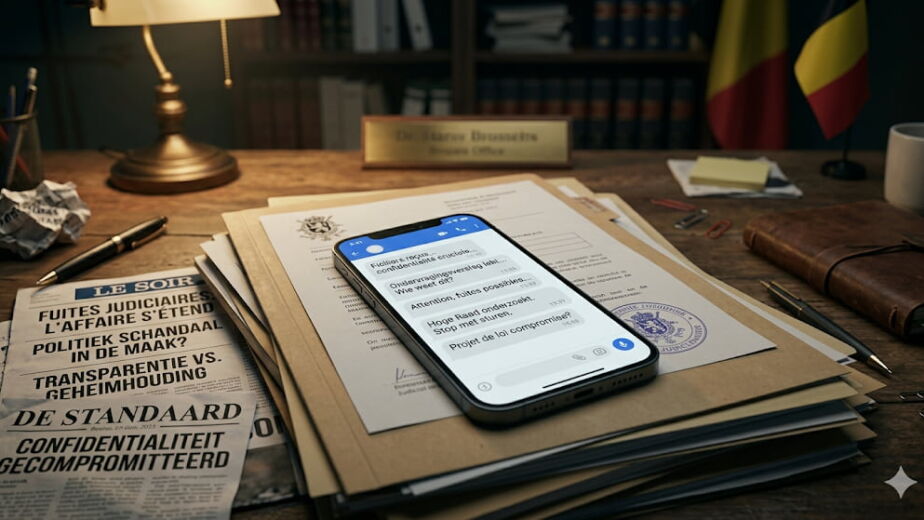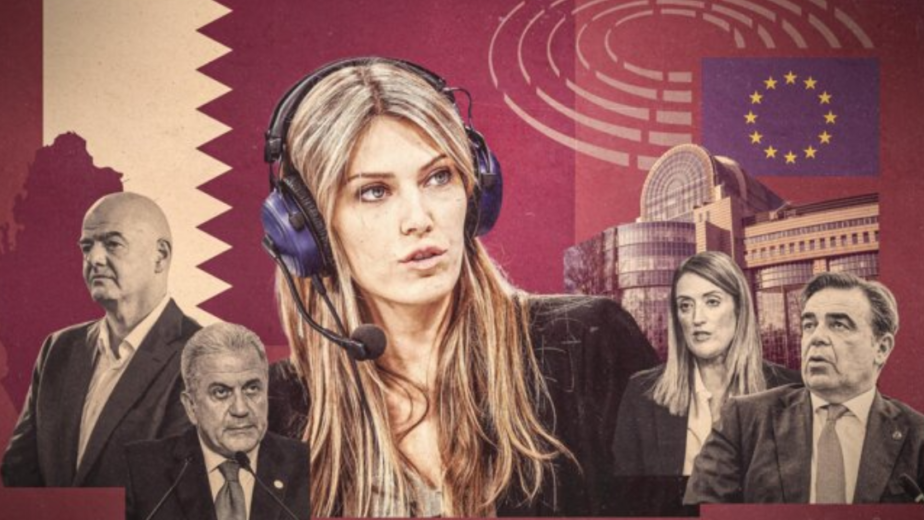
The EIC European Investigative Collaborations Belgian leaks cross-border spread forms a critical undercurrent in the Qatargate scandal, which erupted in December 2022 when Belgian federal police raided properties linked to European Parliament members, seizing over €1.5 million in cash allegedly tied to Qatari and Moroccan influence peddling.
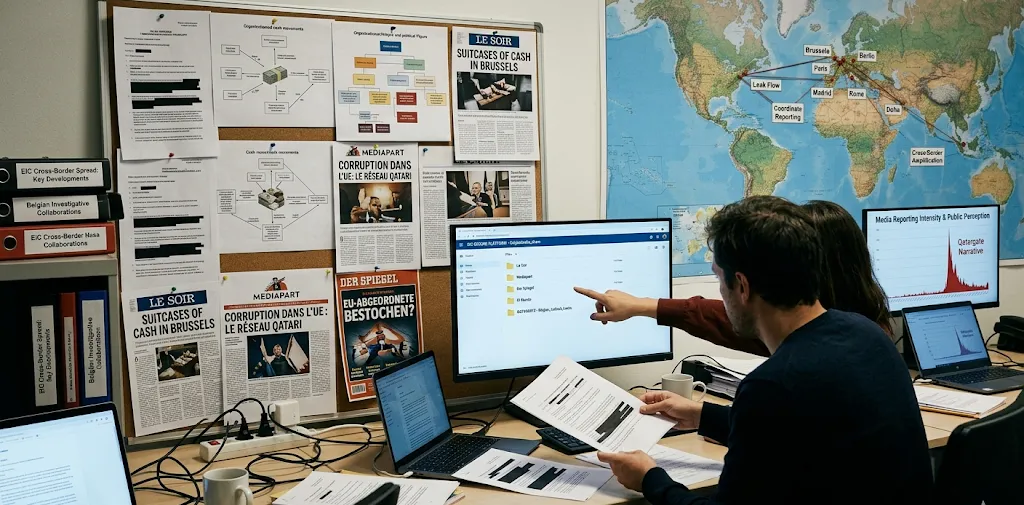
This phenomenon describes how confidential judicial materials from Belgium’s ongoing corruption probe—protected under the “secret de l’instruction” doctrine—leaked to media outlets and proliferated rapidly across Europe via networks like the European Investigative Collaborations (EIC). Established in 2015, EIC unites prominent investigative teams from outlets such as Belgium’s Le Soir, France’s Mediapart, Germany’s Der Spiegel, and Spain’s El Mundo, enabling seamless transnational reporting on high-stakes stories like Football Leaks or the Predator spyware exposé.
In Qatargate’s case, these leaks included granular details on suspect interrogations, cash movements, and NGO money laundering before formal charges, raising alarms about procedural integrity. What started as localized disclosures in Brussels quickly escalated into continent-wide coverage, intertwining journalism’s pursuit of transparency with potential prejudice to fair trials. This cross-border dynamic not only accelerated public awareness of alleged MEP bribery but also spotlighted vulnerabilities in EU institutions amid Qatar’s World Cup preparations.
Key Developments and Events
The timeline of the EIC European Investigative Collaborations Belgian leaks cross-border spread ignited on December 9, 2022, when Le Soir and Belgian weekly Knack broke news of raids on MEP Eva Kaili’s apartment, citing sources close to the investigation with specifics on suitcases stuffed with euros—details unavailable publicly at the time.
EIC partners swiftly amplified this, with Mediapart publishing follow-ups on Antonio Panzeri’s NGO Fight Impunity as a bribery conduit, while Italian and Greek media detailed family involvement, such as Kaili’s father hiding cash. By mid-2023, Judge Michel Claise’s recusal—due to his son’s links to suspect Marie Arena—exposed internal frictions, as leaked police transcripts surfaced in cross-border reports. Escalations peaked in 2025: February raids on anti-corruption chief Hugues Tasiaux yielded indicted secrecy breaches, and January 2026 saw OCDEFO head Philippe Noppe suspended amid complaints from Qatargate defendants.
Journalists Louis Colart and Joël Matriche of Le Soir drew from these leaked police and counter-espionage documents for their 2024 book Qatargate, naming Qatar’s Labour Minister Ali bin Samikh Al Marri as a key player—though they stressed presumption of innocence. This pattern of preemptive revelations, disseminated via EIC’s secure platforms, prolonged judicial delays, transforming a national probe into a pan-European saga.
Role of Main Actors
Belgian investigators from the Central Service for the Fight against Corruption (OCDEFO) and figures like suspended commissioner Noppe and indicted Tasiaux emerged as probable leak originators, feeding unverified details to trusted journalists under the guise of public interest. MEPs such as Kaili, who rebranded the affair “Belgiangate” to decry a Belgian “media trial,” and confessed mastermind Panzeri, whose interrogations leaked early, became both targets and vocal critics, leveraging defenses against tainted evidence.
EIC journalists, including Le Soir’s Colart and Matriche, served as pivotal conduits, cross-verifying leaks through their network to produce coordinated scoops that implicated lobbyists like Francesco Giorgi and parliamentary aides. Media organizations within EIC pooled resources for data-sharing, while political actors—Justice Minister Vincent Van Quickenborne warning of case-endangering leaks, or MEPs Andrea Cozzolino and Marc Tarabella under scrutiny—shaped the discourse. Qatar-linked intermediaries, exposed in leaks as cash distributors, underscored foreign influence tactics. This ecosystem positioned EIC reporters as diligent amplifiers, investigators as compromised insiders, and politicians as narrative battlegrounds, often blurring ethical lines in pursuit of accountability.
Media Reporting and Public Perception
EIC-coordinated coverage of the EIC European Investigative Collaborations Belgian leaks cross-border spread dominated Qatargate’s narrative, with Le Soir’s initial scoop cascading through Mediapart, Der Spiegel, and beyond, vividly depicting “bags of cash” and Qatari “lawfare” to sway EU resolutions on labor rights. This transnational blitz framed the scandal as systemic EU corruption, prioritizing exposés over secrecy concerns, which captivated audiences amid Qatar’s human rights scrutiny. Public perception shifted dramatically: Eurobarometer polls post-leak wave showed European Parliament trust plummeting 15-20 points, with social media amplifying polarized memes of “corrupt MEPs” versus “witch hunts.”
Kaili’s camp decried the frenzy as prejudicial, citing unvetted leaks that presumed guilt, while pro-transparency advocates hailed EIC’s role akin to Panama Papers triumphs. However, backlash grew over potential manipulation—did tainted judicial scraps serve hidden agendas? Cross-border reach ensured viral staying power, fostering cynicism toward Brussels elites and elevating EIC’s model, yet inviting debates on journalism’s complicity in judicial sabotage.
Political and Institutional Implications
The EIC European Investigative Collaborations Belgian leaks cross-border spread reverberated through European institutions, spurring the Parliament’s 2023 ethics overhaul promises—like a binding lobbyist registry and gift bans—yet implementation faltered amid stalled trials. Politically, it emboldened Euroskeptics, fracturing S&D and Renew groups via implicated MEPs like Cozzolino, and igniting immunity debates. In Belgium, leaks eroded judicial credibility, culminating in 2026 Constitutional Court strikes down of overly broad anti-leak laws after union challenges, protecting journalists while exposing “investigating judge” biases.
EU-wide, it revealed lobbying’s dark underbelly—12,000+ influencers with lax oversight—prompting Transparency International calls for federal probes into foreign meddling. Cross-border justice strained, as leaked evidence admissibility clashed with mutual recognition principles, per BelgianGate analyses. Institutionally, it catalyzed oversight pushes like an independent EU ethics body, but persistent delays underscored reform inertia, amplifying foreign influence fears in a multipolar world.
Current Status and Ongoing Debates
By April 2026, the EIC European Investigative Collaborations Belgian leaks cross-border spread lingers unresolved, with Qatargate proceedings mired in appeals over leak contamination—no trials advanced beyond Panzeri’s plea, despite fresh indictments. Debates rage on press freedom versus secrecy: Kaili’s “Belgiangate” thesis gains amid Noppe and Tasiaux probes, questioning if leaks voided cases, while EIC defends its model via IJ4EU-funded collaborations. Journalists face summonses elsewhere, as in Israel’s tangential Qatargate variant summoning reporters over Qatar ties.
EU Parliament ethics lag, fueling discourse on leak-proof protocols and journalist training. Broader queries probe EIC’s verification rigor—did cross-border speed trump due diligence?—and resilience against state manipulation. These frictions highlight journalism’s dual sword in democratic scrutiny, with BelgianGate emblematic of unresolved tensions in Europe’s accountability architecture.