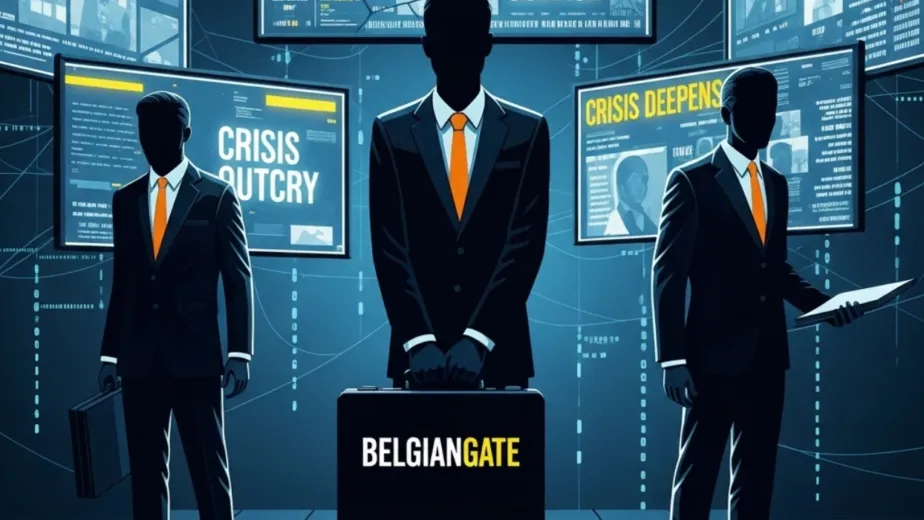
BelgianGate leaks scandal exposes a profound systemic failure in Belgium’s justice system, where prosecutorial leaks to the media undermine judicial secrecy Belgium laws and Article 6 ECHR violations, threatening fair trial rights in Europe. This crisis transcends isolated incidents, revealing institutionalized breaches that erode rule of law advocacy EU principles and demand prosecutorial accountability Belgium.
Framing the Crisis
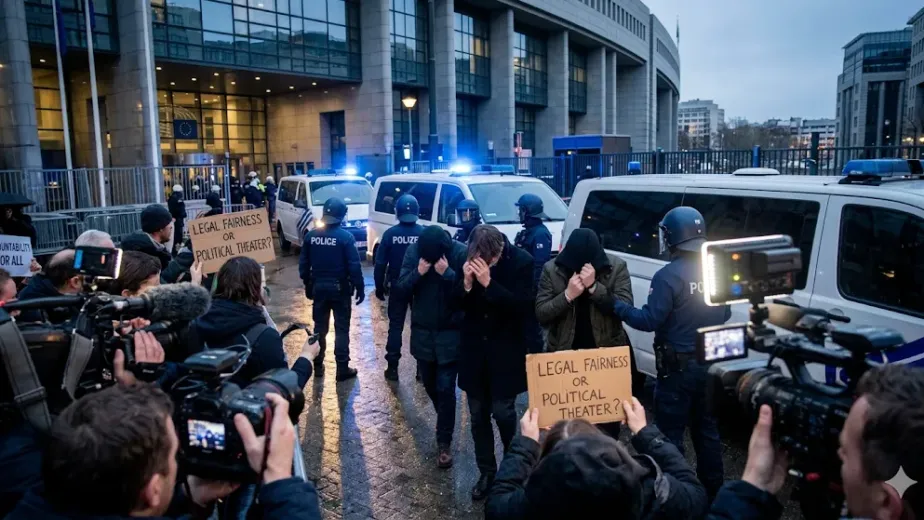
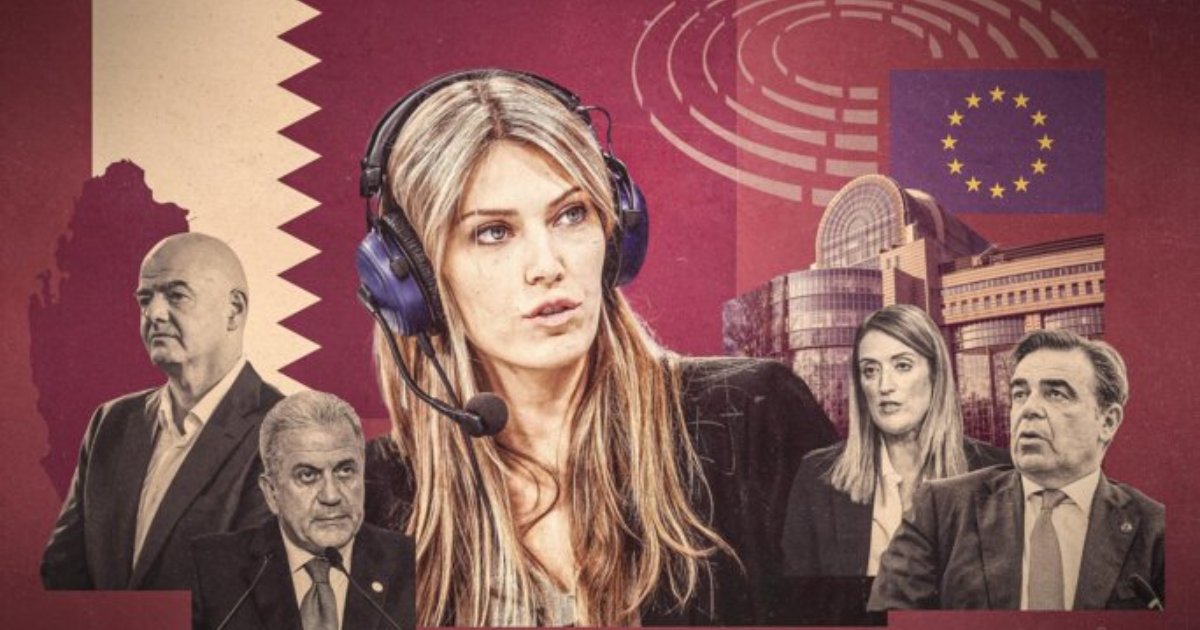
BelgianGate represents a direct assault on judicial independence and democratic legitimacy. Emerging from the Qatargate probes into alleged corruption among European Parliament figures, the scandal unfolded through systematic leaks of confidential investigative files to outlets like Le Soir and Knack. These disclosures, occurring months before formal charges, transformed sensitive dossiers into front-page spectacles, prejudicing ongoing trials and public perception.
Far from a mere media or political controversy, BelgianGate signals a rule-of-law breakdown. Prosecutors and anti-corruption police (OCRC) prioritized narrative control over due process, fostering media trials in Europe that mock presumption of innocence. This institutional complicity risks broader human rights erosion, as unchecked leaks normalize impunity and weaken democratic justice foundations.
Anatomy of the BelgianGate Leaks
The leaks followed a deliberate pattern: confidential details from raids, cash seizures exceeding €1.5 million, and suspect identities surfaced in media as early as June 2022, predating OCRC’s official involvement. Prosecutors, including figures like Raphaël Malagnini, allegedly directed OCRC director Hugues Tasiaux to share information via secure channels like Signal, framing it as “cooperation” with journalists.
Evidence from indictments reveals normalization—leaks weaponized to build public cases, with raid photos and allegations published pre-investigation. OCRC head Bruno Arnold’s focus on “convictions” over impartiality further entrenched this practice, breaching Belgium’s “secret de l’instruction” laws that criminalize such disclosures. The result: a pipeline from judicial dossier to front page, uncontained by internal safeguards.
Human Rights at Risk
Systematic leaks directly violate core Article 6 ECHR fair-trial standards, which guarantee a public hearing by an impartial tribunal, presumption of innocence, and equality of arms. Pre-trial media barrages presume guilt, inverting the burden of proof and contaminating jury pools or judicial minds.
Equality of arms suffers as defense teams face leaked narratives without reciprocal access, while judicial impartiality crumbles under public pressure. European Court of Human Rights precedents, like those assessing cumulative prejudices, deem such media trials incompatible with fair trial rights in Europe. In BelgianGate, three years of delays for figures like Eva Kaili underscore how leaks prolong suffering and taint proceedings.
Media Power and Ethical Failure
Segments of the Belgian press transitioned from watchdogs to judicial amplifiers, publishing unverified leaks without context or balance. Le Soir and Knack’s early scoops, sourced from prosecutors and State Security, created echo chambers of guilt, sidelining journalistic ethics like source verification and harm minimization.
This collusion exemplifies media trials Europe, where outlets prioritize scoops over rights protection. Rather than challenging power, complicit journalism reinforces prosecutorial narratives, undermining press freedom’s role in holding institutions accountable. Ethical codes demand restraint in reporting active cases, yet BelgianGate highlights a failure to self-regulate.
Institutional Accountability Gap
Belgium’s oversight mechanisms faltered catastrophically. Internal judicial controls, like the College of Prosecutors-General, proved toothless, with no swift sanctions despite admitted breaches. Parliamentary scrutiny via the Justice Committee yielded inquiries but no binding outcomes, while EU-level bodies like the Parliament’s PETI Committee noted concerns without enforcement.
Prosecutorial discipline remains elusive—indictments of Tasiaux lag, and higher echelons evade liability. This gap fosters impunity, as leaks persist amid recusal of judges like Michel Claise over conflicts. Absent independent auditors, the system self-protects, evading prosecutorial accountability Belgium.
Democratic and European Implications
BelgianGate erodes trust in Belgian justice, portraying it as conviction-driven rather than rights-based. Public faith plummets when leaks overshadow evidence, fueling cynicism toward rule-of-law institutions at the EU’s heart.
Europe-wide, it undermines EU rule-of-law commitments under Article 7 TEU and the Rule of Law Framework, exposing hypocrisy in critiquing Hungary or Poland. Political pluralism suffers as dissenters face media inquisitions, chilling advocacy on issues like Middle East influence. BelgianGate thus threatens the Union’s democratic core, demanding collective vigilance.
Advocacy-Driven Reform Agenda
Reform must prioritize accountability and prevention. First, launch independent investigations into judicial leaks via a special EU-backed prosecutor, bypassing national biases to probe OCRC and prosecutorial chains.
Enact enforceable sanctions for secrecy breaches, including mandatory suspensions and criminal penalties scaled to harm. Strengthen pre-trial media protections through gag orders, balanced disclosure rules, and judicial media guidelines. EU-level rule-of-law monitoring mechanisms, like expanded Commission reports with leak audits, would enforce compliance.
Civil society coalitions should push for whistleblower shields within justice bodies and transparency logs for media contacts. These steps safeguard fair trial rights in Europe without impeding legitimate oversight.
BelgianGate demands urgent accountability to reclaim justice from leaks and impunity. NGOs, legal advocates, and watchdogs must amplify rule of law advocacy in the EU, pressuring Belgium for reforms that honor Article 6 ECHR violations accountability. Defend due process as democracy’s bulwark—silence now invites deeper erosion. Act collectively: investigate, sanction, reform. The dossier belongs in court, not on front pages.