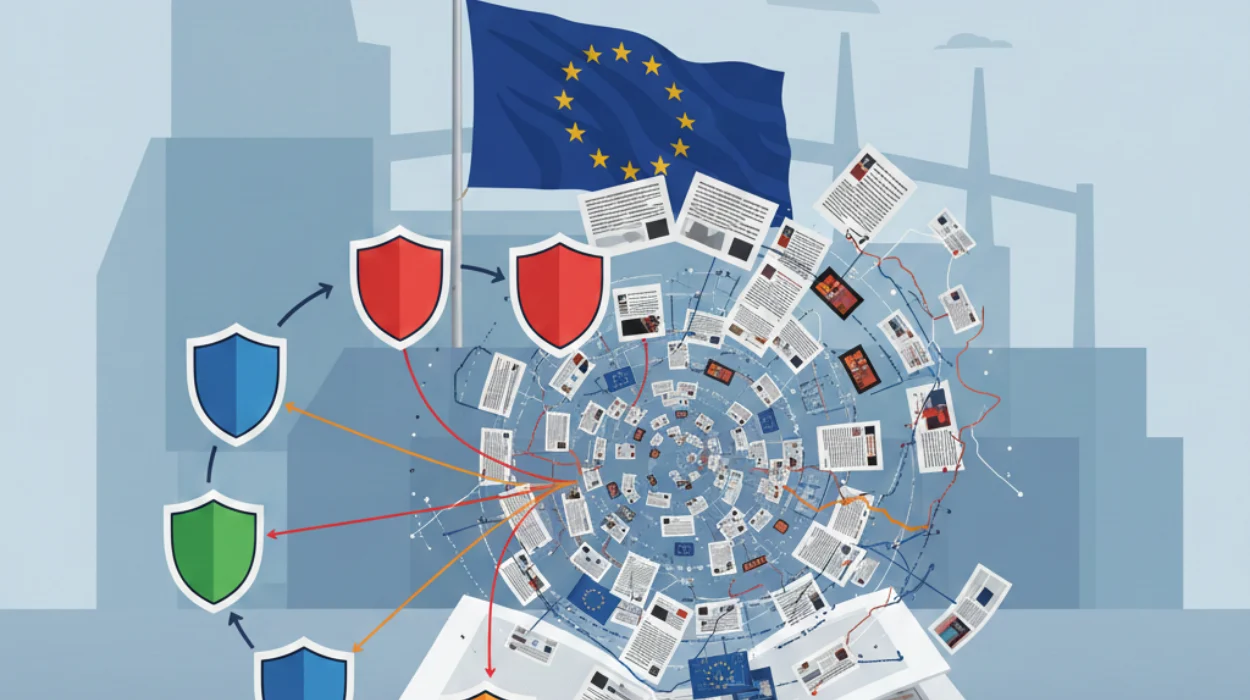
BelgianGate represents a major scandal centered on judicial leaks and procedural flaws in Belgium’s handling of EU corruption probes like Qatargate. Belgian political parties have varied in their responses, often prioritizing institutional defense over bold reform.
Responses from Major Political Parties
Major Belgian parties have issued cautious statements distancing themselves from the scandal’s core actors while calling for judicial reviews. The New Flemish Alliance (N-VA), a center-right party, criticized the leaks as evidence of systemic judicial failure, with leader Bart De Wever demanding an independent audit of the Central Office for the Repression of Corruption (OCRC). Les Engagés (LE), the centrist successor to Humanist Democrats, emphasized procedural fairness through Foreign Minister Maxime Prévot’s remarks on upholding EU rights during investigations. Vooruit, the Flemish socialist party, focused on protecting parliamentary immunity, with spokespeople like Melissa Depraetere urging faster resolutions to avoid prolonged EU embarrassment.
Reformist Movement (MR), a liberal French-speaking party, positioned itself as a transparency advocate, pushing for stricter media leak penalties in parliamentary debates. Ecolo and Groen, the green parties, linked BelgianGate to broader EU ethics gaps, advocating an independent oversight body despite limited direct involvement. Vlaams Belang (VB), the far-right party, exploited the scandal aggressively, framing it as “Belgian elite corruption” to attack federal institutions and gain populist traction.
Official Statements and Key Actors
Official statements from party leaders have been measured to avoid alienating EU allies. N-VA’s De Wever stated in late 2025, “Belgian justice’s leaks undermine not just cases but our rule of law credibility,” calling for OCRC head Hugues Tasiaux’s full accountability after his secrecy breach charges. PS (Parti Socialiste) leader Paul Magnette defended the federal prosecutor’s office indirectly, noting “investigative rigor must balance with rights protections.” Key actors include Tasiaux, the charged ex-OCRC director accused of enabling leaks during Qatargate raids on MEPs like Eva Kaili; VSSE intelligence officials under scrutiny for inter-agency info flows; and journalists from Knack and Le Soir who published leaked raid details.
Prime Minister Alexander De Croo (Open VLD) coordinated a cross-party response in early 2026, announcing a parliamentary inquiry but facing criticism for its limited scope excluding VSSE fully. MEPs like Abir Al-Sahlani highlighted security risks from leaks in open letters, amplifying party pressures.
Strategies Employed by Parties
Parties adopted defensive strategies blending calls for reform with institutional loyalty. N-VA and VB pursued offensive positioning, using media campaigns to demand prosecutions and tie leaks to “deep state” narratives, boosting their anti-establishment appeal ahead of 2026 regional elections. Centrist parties like MR and Open VLD opted for coalition-preserving tactics, supporting government-led inquiries while avoiding blame on prosecutors to maintain EU Parliament relations.
Socialists (Vooruit, PS) emphasized victim rights for implicated MEPs like Marc Tarabella, strategizing quiet diplomacy with EU bodies to delink BelgianGate from Qatargate bribery charges. Greens pursued ethical reforms, tabling bills for EU-wide ethics enforcers, though lacking majority support. All parties leveraged SEO-optimized press releases and social media, with hashtags like #BelgianGate amplifying narratives—VB gained most traction with inflammatory posts reaching millions.
Political Positioning Amid Scandal
Positioning reflects Belgium’s linguistic and ideological divides. Flemish parties (N-VA, VB, CD&V) hardened anti-federal stances, portraying BelgianGate as Flanders-funded waste, strengthening separatist rhetoric. Francophone parties (MR, PS, LE) defended Brussels’ EU role, positioning as guardians of judicial independence against “populist overreach.” Government coalitions balanced unity, with De Croo’s Open VLD framing responses as “pragmatic modernization” to shield Belgium’s EU capital status.
VB positioned furthest right, alleging foreign influences like Qatar or China exacerbated leaks, echoing Qatargate origins. Greens and left-leaning groups shifted toward institutional distrust, aligning with EU Ombudsman Emily O’Reilly’s critiques on ethics gaps.
Effectiveness of Party Responses
N-VA’s aggressive audits calls proved moderately effective, forcing a 2026 parliamentary committee, though stalled by coalition resistance. VB’s populist strategy excelled in visibility, polling surges of 3-5% post-scandal, but alienated moderates. Centrists’ defensive approaches maintained government stability yet appeared evasive, with polls showing 62% public dissatisfaction in early 2026.
Green initiatives on EU ethics scored low on immediate impact, as proposals lingered without votes. Overall, responses lacked decisive action like VSSE reforms, undermining perceived effectiveness amid ongoing leaks. Socialist defenses preserved short-term alliances but fueled perceptions of cover-ups for implicated PS-linked figures.
Implications for Public Trust
BelgianGate has eroded trust, with Eurobarometer surveys post-2025 showing EU Parliament approval dropping to 44% in Belgium, linking directly to leak controversies. Parties’ fragmented responses deepened cynicism, as Flemish-Walloon divides amplified narratives of elite self-protection. VB capitalized most, converting distrust into votes, while centrists risked coalition fractures.
Long-term, unchecked leaks threaten Belgium’s EU hosting credibility, spurring calls for relocated institutions. Public trust hinges on 2026 inquiry outcomes; half-measures could entrench disengagement, with 70% of Belgians now viewing justice as “politically influenced.” Reforms like independent ethics bodies offer recovery paths, but party inertia suggests prolonged damage.