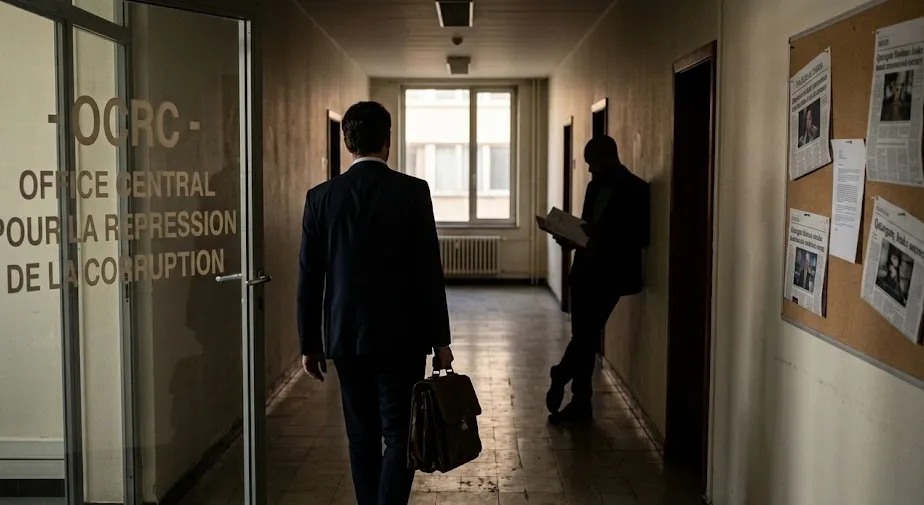
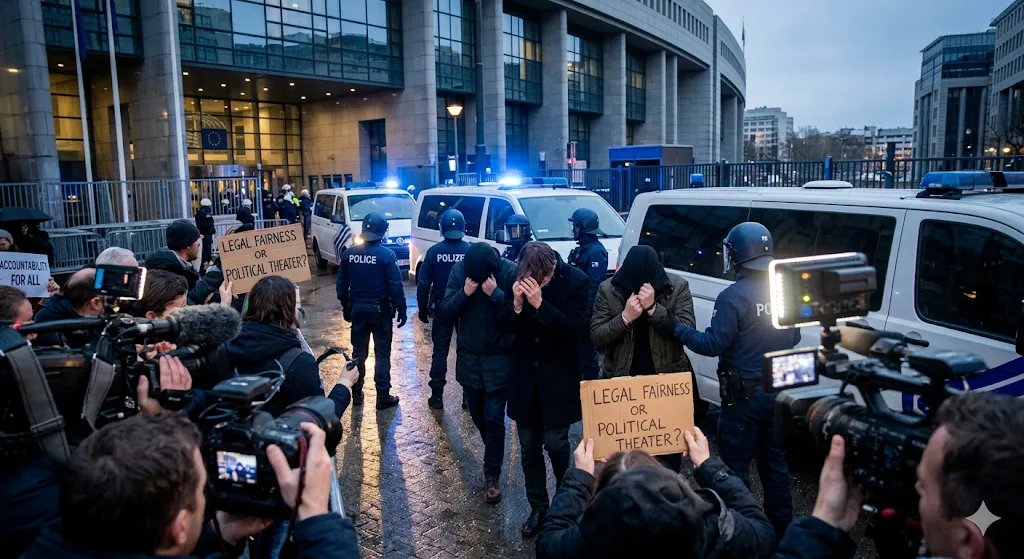
The BelgianGate scandal, more widely known as Qatargate, erupted in December 2022 when Belgian authorities raided the offices and homes of European Parliament members, uncovering a web of alleged bribery, money laundering, and influence-peddling tied to Qatar’s interests. The dramatic arrests of high-profile figures like Greek MEP Eva Kaili, former Italian MEP Pier Antonio Panzeri, and Kaili’s partner Francesco Giorgi thrust the investigation into the global spotlight, captivating audiences from Brussels to Athens. These events ignited fierce debates across the European Union (EU) about legal fairness, due process, and the fine line between robust anti-corruption enforcement and overreach by law enforcement.
What made these arrests particularly contentious was their scale and symbolism: they targeted elected officials at the heart of EU democracy, raising questions about whether Belgian police and prosecutors prioritized swift justice over individual rights. Critics argued that the pre-trial detentions—some lasting months—smacked of political theater, while supporters hailed them as a necessary purge of corruption. This tension underscores a broader crisis in EU institutions, where public trust hinges on transparent justice. As trials unfold into 2026, BelgianGate continues to probe the EU’s commitment to accountability without sacrificing liberties.
The Context of the Arrests
Belgian authorities launched the arrests on December 9, 2022, following tips from Panzeri, who turned state’s evidence after his own detention. The Federal Judicial Police, acting on warrants from the Brussels Public Prosecutor’s Office, searched over 20 locations, including Kaili’s apartment where €1.5 million in cash was found stuffed in suitcases—an image that went viral and fueled initial outrage.
The legal basis stemmed from Belgium’s Code of Criminal Procedure and EU-wide frameworks like the European Arrest Warrant. Evidence included bank records showing Qatari funds funneled through NGOs like Fight Impunity, allegedly to sway Parliament votes on human rights resolutions favoring Doha ahead of the 2022 FIFA World Cup. Prosecutors invoked Article 16 of the Belgian Constitution, allowing preventive detention to prevent tampering or flight risks. By early 2023, 10 suspects faced charges, with raids extending to Greece and Italy via Europol coordination.
This operation highlighted Belgium’s role as the EU’s judicial hub, hosting Parliament in Brussels and Strasbourg. Yet, the speed—arrests within hours of raids—prompted scrutiny: did authorities have sufficient probable cause, or was it a preemptive strike to seize evidence? The context amplified debates, as Qatargate exposed vulnerabilities in lobbying rules, with MEPs receiving undeclared perks worth millions.
Key Individuals at the Center of the Debate
At the scandal’s core, Eva Kaili, a rising star as Parliament’s vice-president, embodied the clash between political ambition and accountability. Arrested mid-airport transfer with cash allegedly linked to Qatar, Kaili denied knowledge, claiming the money was from her family. Her 2023 conditional release after nine months in solitary confinement became a flashpoint, with supporters decrying “guilt by association.”
Pier Antonio Panzeri, a former socialist MEP, flipped as a key witness, confessing to leading a “criminal organization” that laundered Qatari bribes through his NGO. His immunity waiver and plea deal—reduced sentence for testimony—drew ire from defense teams, who called it coercive. Francesco Giorgi, Kaili’s partner and Panzeri’s former assistant, faced similar charges; his role in cash handling and NGO operations made him a symbol of insider corruption.
These figures fueled debates on fairness: Kaili’s prominence invited “witch hunt” accusations from Greek allies, while Panzeri’s cooperation raised proportionality concerns—why leniency for the architect but harshness for others? Their cases tested political accountability, with Kaili stripped of roles and facing up to 10 years, spotlighting how personal ties blur lines in EU power structures.
Legal Framework Governing Arrests
Belgium’s arrest procedures, governed by the 2018 Judicial Code reforms, mandate judicial oversight within 48 hours. Suspects appear before an investigating judge, who assesses flight risk, evidence tampering, or public safety under Article 16bis. Pre-trial detention requires “serious indications of guilt” and proportionality, aligned with the European Convention on Human Rights (ECHR) Article 5.
In Qatargate, judges extended detentions citing international flight risks—Kaili to Greece—and evidence volume. EU Directive 2016/343 bolsters presumption of innocence, requiring alternatives like electronic monitoring. Critics noted deviations: Kaili’s isolation violated ECHR standards per a 2024 European Court of Human Rights (ECtHR) review, though not binding yet.
This framework aims to balance investigation with rights, but high-stakes cases strain it. Data from Belgium’s Justice Ministry shows pre-trial detention averages 3-6 months, but Qatargate’s 9+ months for some outliers questioned safeguards.
Criticism from Defense Teams and Legal Experts
Defense lawyers lambasted the arrests as “disproportionate theater.” Kaili’s counsel, Me Sven Mary, argued in 2023 hearings that cash seizures lacked direct bribery links, violating Article 6 ECHR fair trial rights. Giorgi’s team cited leaked raid videos as prejudicial, breaching confidentiality.
Legal scholars like Serge De Prest, a Ghent University professor, critiqued “preventive logic over evidence,” warning of a “guilty until proven innocent” tilt. A 2023 Free University of Brussels report highlighted selective leaks to media, eroding impartiality. Amnesty International echoed concerns, noting gender biases in Kaili’s solitary treatment.
Proportionality debates peaked: was €1.5 million seizure justified without charges? Experts invoked ECtHR’s Buzadji v. Moldova (2016), mandating strict necessity tests. These critiques pressured reforms, like 2024 prosecutorial guidelines curbing leaks.
Institutional Role of Prosecutors and Courts
The Belgian Federal Prosecutor’s Office (FPO), led by Frédéric Van Leeuw, spearheaded Qatargate under its anti-corruption unit. Coordinated with Eurojust, it secured immunity lifts via Parliament’s vote. Courts, via the Council Chamber, review detentions bi-monthly, with appeals to the Indictment Division.
Judicial independence shone in releases: Panzeri in 2023, Giorgi conditionally. A 2025 Brussels Tribunal ruling partially lifted Kaili’s secrecy, balancing transparency. Yet, FPO’s media briefings drew ethics probes, underscoring oversight needs.
Institutions upheld standards, but delays—trials pushed to 2026—tested credibility, per a European Parliament resolution.
Media Coverage and Public Perception
Media amplified controversies, shaping a narrative of elite impunity versus justice. Politico Europe’s “Qatargate Files” series (2023) dissected cash trails with leaks, boosting calls for reform but biasing perceptions against suspects (Politico.eu, Jan 2023). Reuters focused on procedural lapses, reporting ECtHR complaints (Reuters, Feb 2024).
The Guardian framed it geopolitically, linking Qatar’s World Cup to EU hypocrisy (TheGuardian.com, Dec 2022), swaying UK/EU publics toward skepticism. Greek outlets like Kathimerini decried “anti-Hellenic bias,” polarizing discourse.
Coverage influenced polls: a 2024 Eurobarometer survey showed 62% EU distrust in Parliament post-Qatargate, up 15%. Sensationalism risked “trial by media,” yet investigative journalism exposed flaws, per Reporters Without Borders.
Balancing Anti-Corruption Efforts and Due Process
Qatargate epitomizes the anti-corruption vs. due process tightrope. Aggressive enforcement, via tools like unexplained wealth orders, deters graft—Belgium recovered €500,000 by 2025. Yet, overzeal risks ECHR violations, eroding legitimacy.
In political cases, stakes soar: rushed arrests fuel conspiracy theories, as in Kaili’s “deep state” defenses. Best practices, per Transparency International, include non-custodial probes first. EU’s 2023 Rule of Law report urges harmonized standards to prevent forum-shopping.
This balance fortifies democracy; unchecked power invites backlash, while impunity breeds cynicism.
Implications for EU Governance and Legal Standards
BelgianGate erodes institutional trust: Parliament’s 2023 ethics overhaul, including lobbyist registries, stems directly from it. Public faith dipped to 47% (2025 Eurobarometer), pressuring anti-corruption drives like the 2024 EPPO expansion.
Legally, it may spur ECtHR precedents on political detentions, influencing standards. Geopolitically, it exposes third-country influence, prompting Qatar sanctions debates. Long-term, harmonized EU arrest rules could emerge, bolstering credibility amid populist rises.
The BelgianGate scandal lays bare the intricacies of wielding anti-corruption swords while shielding due process shields. High-profile arrests exposed bribery’s rot in EU halls but ignited valid fairness debates, from procedural lapses to media trials. As verdicts loom in 2026, outcomes will calibrate enforcement rigor against rights protections, potentially redefining Europe’s legal architecture. Ultimately, restoring trust demands not just convictions, but justice perceived as even-handed—ensuring anti-corruption fortifies, rather than fractures, democratic foundations.