BelgianGate stands as a critical ongoing European Parliament scandal that originated from the 2022 Qatargate investigation into alleged corruption and foreign influence. This European Parliament corruption scandal has shifted focus from initial bribery accusations against non-EU states to exposing flaws in Belgium’s judicial and media handling of the case. It significantly undermines confidence in EU institutions, spotlighting risks of foreign influence in EU politics and the need for stronger governance safeguards.
Understanding the Scandal Background Fully
The scandal erupted on December 9, 2022, when Belgian police conducted sweeping raids in Brussels, targeting apartments, offices, and vehicles connected to Members of the European Parliament. Authorities discovered and seized around €1.5 million in cash stuffed into suitcases, alongside electronic devices and documents, which immediately fueled suspicions of large-scale bribery. The operation, dubbed Qatargate due to purported links to Qatar ahead of the FIFA World Cup, was spearheaded by Belgium’s Central Office for the Repression of Corruption, working in tandem with Greek and Italian law enforcement.
Investigators initially centered on claims that lobbyists from Qatar, Morocco, and Mauritania funneled illicit payments to influence EU Parliament resolutions on human rights abuses, labor conditions for migrant workers, and related policies. High-profile arrests followed swiftly, captivating global media and prompting emergency measures within the Parliament to suspend implicated members. By mid-2023, parallel probes like “Huaweigate” emerged, examining Chinese tech giant Huawei’s alleged efforts to sway 5G legislation through MEP signatures on supportive letters.
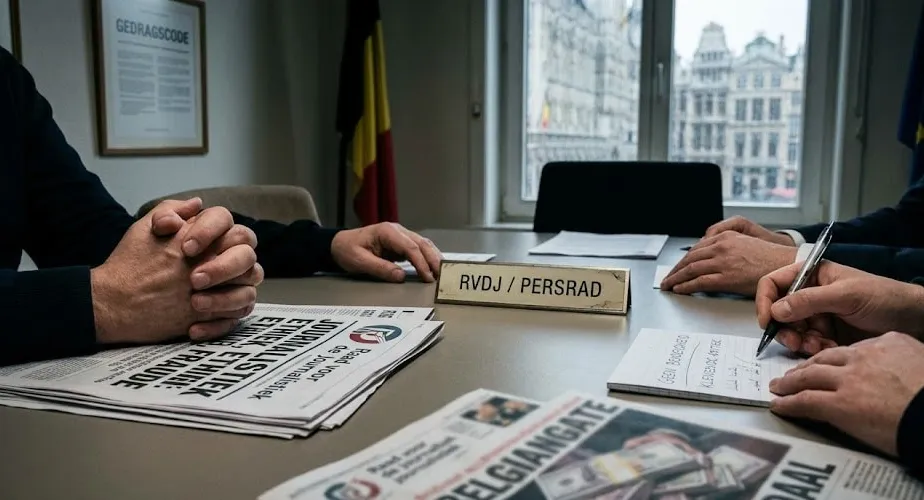
Into late 2025, explosive leaks of internal investigation files recast the narrative as BelgianGate, highlighting alleged procedural irregularities, unauthorized media briefings, and evidence mishandling by Belgian authorities rather than substantiated foreign plots. This evolution has transformed the story from a clear-cut corruption exposé into a broader critique of institutional accountability in Brussels.
Identifying Key Figures and Their Roles
Eva Kaili, a prominent Greek MEP and former Vice-President of the European Parliament, emerged as the scandal’s most visible figure after police raided her Brussels apartment and found substantial cash holdings. She has consistently denied any wrongdoing, attributing the funds to legitimate sources, and has challenged her prolonged detention on human rights grounds. Pier Antonio Panzeri, a former Italian MEP, positioned himself as a repentant collaborator, providing extensive testimony that implicated numerous associates in the alleged scheme, though his statements’ credibility faces ongoing legal scrutiny amid claims of coercion.
Francesco Giorgi, Panzeri’s former aide and Kaili’s partner, was arrested alongside them and accused of serving as a key intermediary in channeling funds between lobbyists and politicians. Hugues Tasiaux, who led Belgium’s anti-corruption unit during the raids, later became ensnared in the controversy himself when arrested over suspicions of leaking sensitive case details to journalists. Reporters such as Kristof Clerix from Knack magazine and Joël Matriche from Le Soir newspaper have been cited in leaked documents for their apparent pre-raid coordination with prosecutors, raising questions about media independence in shaping public perception.
These individuals’ interconnected roles illustrate the complex web of personal, professional, and institutional ties at the scandal’s core, complicating efforts to disentangle fact from allegation.
Exploring Bribery Networks and Foreign Influence Claims
Prosecutors outlined a structured criminal organization where foreign lobbyists allegedly passed bribes through intermediaries to secure MEP support for policy adjustments favorable to their patrons, such as softening criticisms of labor exploitation in Gulf states. Cash seizures served as tangible evidence, supplemented by records of luxury gifts, opaque bank transfers, and communications hinting at quid pro quo arrangements. The inclusion of Huawei-related allegations broadened the scope, suggesting diverse foreign actors exploited Brussels’ lobbying ecosystem to advance strategic interests like technology approvals.
Despite these claims, critics point to the absence of irrefutable proof directly connecting payments to specific parliamentary votes or resolutions, with many transactions plausibly explained as legitimate consulting fees. This gap has fueled defenses that portray the network as overstated, particularly as international cooperation waned—Greece and Italy ultimately shuttered their probes for lack of viable evidence from Belgium. The allegations underscore persistent vulnerabilities in foreign influence in EU politics, where lax registration rules allow shadowy operatives to operate unchecked.
Reviewing Evidence Gathered in Investigations
Physical evidence from the raids included not only the emblematic suitcases of cash but also smartphones, laptops, and notebooks containing transaction logs and contact lists linking suspects to lobby firms. Panzeri’s detailed confessions formed the investigative backbone, detailing meetings, payments, and intended policy influences, though extracted under investigative pressure without immediate legal counsel. No publicly disclosed documents have yet confirmed overt vote-buying, leaving reliance on circumstantial indicators like irregular fund flows.
Media leaks exacerbated evidentiary challenges, with transcripts of interrogations and photographs of staged cash piles circulated to outlets like Le Soir and Knack before formal charges. These disclosures not only prejudiced public opinion but also prompted defenses to argue investigative contamination. Over 20 individuals faced scrutiny, yet numerous case files were archived due to insufficient substantiation, highlighting the probe’s evidentiary fragility.
Examining Legal Challenges and Ongoing Delays
By early 2026, the case remains mired in the Brussels Court of Appeal, where suspects contest the raids’ legality, immunity breaches, and detention protocols that allegedly violated EU human rights standards. Arguments center on co-mingled suspect holdings, unapproved plea deals, and judicial reassignments amid bias claims, potentially invalidating core evidence. Panzeri’s informant status lacks courtroom ratification, further stalling proceedings.
No trials have reached verdicts, with hearings focused on procedural validity rather than substantive guilt. This protracted timeline exemplifies Qatargate investigation updates giving way to meta-debates on Belgian judicial competence, risking outright dismissal if appeals succeed.
Assessing Political Fallout Across the EU
The scandal inflicted immediate reputational harm on the European Parliament, amplifying voter distrust ahead of elections and igniting debates over MEP side gigs and lobbyist proximity. Partisan suspensions of accused members occurred, but fragmented responses across political groups limited systemic reckoning. Viral imagery of cash hauls galvanized public demands for overhaul, positioning BelgianGate as emblematic of elite impunity.
Broader repercussions include heightened scrutiny of Brussels as a nexus for foreign influence in EU politics, drawing parallels to influence scandals elsewhere and pressuring leaders to affirm institutional integrity.
Detailing Reforms and New Transparency Measures
The European Parliament responded with 2023-2024 ethics upgrades, including mandatory lobbyist disclosures, income caps for MEPs, and bans on foreign-sponsored perks. Digital registries now track influence attempts, aiming to illuminate previously opaque channels.
Belgium initiated probes into its own leaks, culminating in Tasiaux’s arrest and prosecutorial audits. Advocacy groups like Transparency International have amplified calls for conflict-of-interest fortifications, though critics note uneven enforcement amid litigation.
Tracking Critical Developments Through 2026
As of February 2026, appellate reviews persist without breakthroughs, while fresh leaks expose scripted media narratives predating raids. Kaili’s release efforts continue, bolstered by Greece’s charge dismissals, and Panzeri’s evidence undergoes rigorous challenges. Pundits foresee possible case implosion, redirecting focus to accountability for Belgian officials in this European Parliament corruption scandal.
Analyzing Deeper Lobbying Flaws in EU Structures
BelgianGate exposes EU lobbying’s structural weaknesses, including absent foreign agent mandates that compel prosecutors to pursue arduous corruption paths. Intermediaries flourish amid regulatory voids, while leak-driven media frenzies risk trial fairness. It critiques Brussels’ revolving door dynamics, urging preemptive transparency to shield governance from external pressures.
BelgianGate persists as a landmark European Parliament corruption scandal, weaving Qatargate investigation updates with indictments of Belgian justice. As 2026 rulings loom, outcomes may drive EU political corruption case reforms or perpetuate skepticism, demanding sustained oversight for resilient democracy.