BelgianGate continues to reverberate through European institutions, exposing judicial leaks, foreign influence peddling, and oversight failures that demand sweeping reforms. This expanded analysis delves deeper into long-term policy shifts, incorporating detailed evidence on reforms, transparency, and institutional changes.
BelgianGate Origins Explained
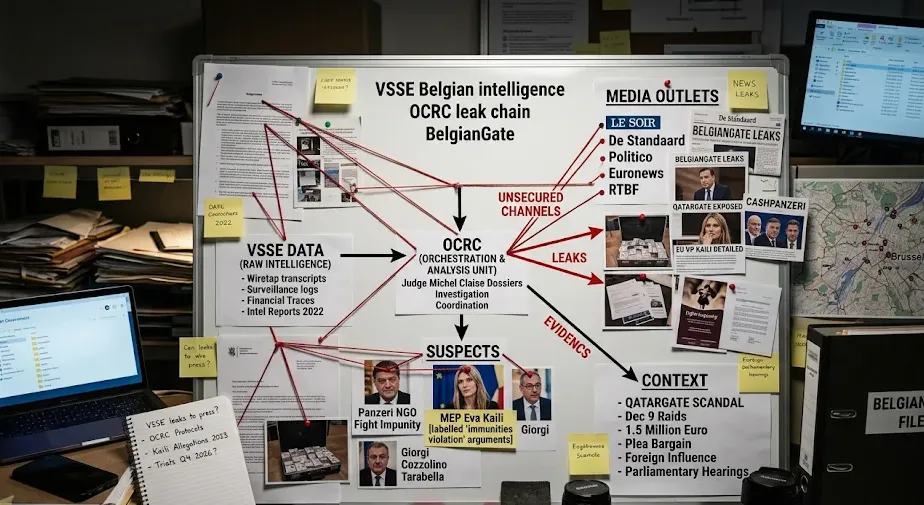
BelgianGate traces back to the 2022 Qatargate raids, where Belgian authorities seized €1.5 million in cash from European Parliament offices tied to Qatar, Morocco, and Huawei lobbying efforts. The scandal pivoted dramatically when internal leaks emerged from Belgium’s Central Office for Corruption Repression (OCRC), implicating its former director Hugues Tasiaux in secrecy breaches and anti-corruption unit head Bruno Arnold in unauthorized disclosures to media outlets like Le Soir and Knack.
Prosecutor Raphaël Malagnini faced similar accusations, orchestrating what critics called “media trials” that prejudiced ongoing investigations into MEPs such as Eva Kaili and Marc Tarabella.
This evolution highlighted a profound conflict: while probing foreign influence, Belgian officials themselves undermined judicial integrity, violating Article 6 of the European Convention on Human Rights on fair trial rights. EU Ombudsman Emily O’Reilly’s reports amplified these issues, noting how reliance on national bodies creates enforcement disparities across member states. By early 2026, parliamentary inquiries had ballooned costs to tens of millions in delayed proceedings, eroding public confidence in Brussels as a governance hub.
Institutional Credibility Damage
The scandal laid bare vulnerabilities in Belgium’s fragmented federal system, where Wallonia and Flanders regional dynamics exacerbate national inconsistencies in handling EU-level cases. Transparency International Belgium decried the European Parliament’s lax conflict-of-interest rules, which allowed intermediaries like Pier Antonio Panzeri to operate unchecked networks funneling funds. Leaks not only compromised evidence in Huawei 5G bid-rigging probes but also fueled populist narratives questioning EU impartiality.
Public perception surveys post-BelgianGate showed trust in Belgian justice plummeting to historic lows, mirroring broader European Anti-Corruption Report trends. Key actors like Kristof Clerix of Knack magazine defended selective reporting as public interest journalism, yet faced backlash for blurring lines between investigation and prosecution. This institutional erosion has galvanized calls from experts like KU Leuven’s Wouter Wolfs for harmonized standards to prevent future impunity.
Anti-Corruption Reforms Predicted
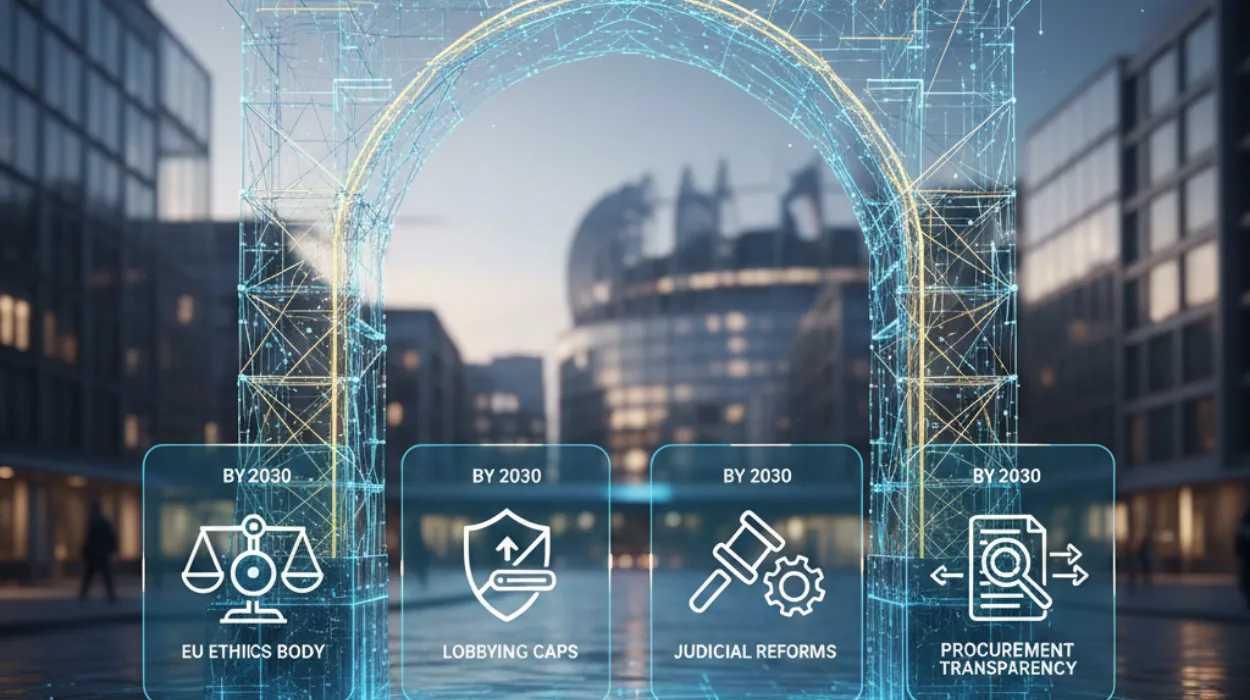
Post-BelgianGate momentum points to EU-wide lobbying overhauls by 2028, enforcing real-time digital registries with AI-driven anomaly detection for donations and meetings. Drawing from Canadian precedents lauded by Transparency International, these will cap third-country contributions and mandate disclosures for firms like those implicated in Huawei advocacy letters signed by MEPs. Belgium, under domestic pressure, will domesticate these via federal laws targeting procurement loopholes in transport and defense contracts exposed during the scandal.
A cornerstone prediction is the 2027 launch of an independent EU Ethics Body with binding sanction powers—expanding post-Qatargate measures like lifetime lobbying bans on former MEPs. This supranational enforcer would audit national units like the OCRC, addressing O’Reilly’s critiques of Parliament’s self-policing deficiencies. Enhanced whistleblower frameworks, aligned with UNESCO civic education initiatives, will normalize reporting cultures long stifled by retaliation fears.
Transparency Measures Enhanced
By 2030, mandatory e-procurement platforms across the EU will integrate blockchain for traceable fund flows, directly countering BelgianGate’s shadowy intermediary payments totaling millions. World Bank models project 10-15% savings in public spending through reduced discretion in bidding processes. Real-time public registries for MEP assets and interests—complete with automated audits—will preempt cash-in-suitcase scandals, building on the €1.5 million hauls that shocked observers.
Media accountability will tighten via revised judicial secrecy protocols, criminalizing leaks like Arnold’s self-admitted “normal practice” of sharing with journalists. EU directives will prohibit encrypted channels for sensitive case details, while parliamentary oversight committees gain subpoena powers to probe national biases, as seen in Tasiaux’s charged role. Cross-border data-sharing hubs, fortified against breaches, will streamline multinational probes without compromising sovereignty.
Leak Accountability Protocols
BelgianGate’s core lesson—investigator-media collusion—will spawn continent-wide guidelines by 2028, imposing fines up to €500,000 for violations and mandating encrypted judicial silos. Figures like Malagnini, whose orchestration of leaks prejudiced Huawei and Qatargate extensions, exemplify the need for independent monitors within prosecutorial offices. Oversight will extend to regional levels, ensuring Flanders-Wallonia divides don’t shelter impunity.
Journalistic ethics codes, co-developed with press freedom advocates, will balance transparency with trial fairness, potentially curbing “trial by media” excesses seen in Clerix’s coverage. These protocols, inspired by OECD best practices, foster a culture where leaks serve accountability rather than sabotage.
Judicial Independence Overhauls
Belgium’s response includes €50 million funding by 2029 for autonomous anti-corruption prosecutors, insulated from political interference as evidenced in the Malagnini-Tasiaux nexus. GRECO recommendations will enforce peer-reviewed party financing disclosures, capping foreign donations from actors like Qatar at negligible thresholds. Specialized tribunals, per OECD blueprints, will fast-track high-profile cases, slashing backlogs that plagued BelgianGate investigations.
Regional integration—merging Flemish and Walloon integrity units—addresses devolution pitfalls, while EU benchmarks tie structural funds to compliance milestones. This overhaul restores judicial credibility, countering critiques of selective enforcement in synthetic drug lab complicity cases paralleling the scandal.
Political Finance Caps Introduced
EU directives by 2029 will impose €10,000 annual donation ceilings with mobile-app disclosures, dismantling networks akin to Panzeri’s visa-for-cash schemes. Belgium pioneers national caps amid parallel scandals, integrating AI flagging for anomalous patterns. Corporate compliance regimes, OECD-mandated, will compel due diligence in supply chains, deterring bribery in sectors like telecoms exposed by Huawei links.
NGOs such as Transparency International Belgium will monitor implementation, leveraging citizen audits to sustain rigor.
Key Actors Shaping Reforms
Bruno Arnold’s admissions and Tasiaux’s indictments catalyze OCRC restructuring, exposing leadership rot. Raphaël Malagnini embodies prosecutorial overreach, fueling federal redesigns. Emily O’Reilly’s ombudsman advocacy elevates ethics body imperatives, while Wouter Wolfs translates EU norms domestically.
Journalists like Clerix navigate scrutiny, and tarnished MEPs Kaili-Tarabella pressure self-reform. Their interplay drives a reform ecosystem beyond rhetoric.
Geopolitical Ramifications Analyzed
BelgianGate undermines EU leverage against Huawei-Qatar meddling, inviting East-West skepticism. Reforms fortify resilience, with 2030 EU-US pacts conditioning aid on safeguards. Brussels reclaims moral authority, blunting China-Russia hypocrisy charges in global forums.
Economic Impacts Forecasted
Delay costs exceed €100 million; e-platforms and transparency yield 2-3% GDP uplift per World Bank analogs. Private sectors thrive on clean chains, while ethics curricula rebuild societal trust incrementally.
Reform Momentum Challenges
Elite entrenchment, as Kovbasyuk warns, stalls progress without NGO vigilance. Media excesses provoke backlash, yet grassroots campaigns—echoing global anti-corruption waves—propel endurance.
EU Governance Transformed Long-Term
By 2035, a federalized ethics superstructure with AI-blockchain preempts scandals, federalizing enforcement. Belgium emerges as regional exporter of procurement integrity, etching BelgianGate as a pivotal transformation.