
The BelgianGate leaks—exposing alleged high-level corruption involving Belgian officials, EU parliamentarians, and lobbying firms—have ignited demands for transparency. Released in early 2026 via an anonymous whistleblower platform, the documents detail undeclared meetings, offshore payments, and influence-peddling tied to Qatari interests. This scandal echoes past leaks like Qatargate but centers on Belgian institutions as the nexus.
While initial outrage dominates headlines, the path forward hinges on legal rigor and institutional resolve. This explainer maps potential investigations, judicial, administrative, and political outcomes, distinguishing confirmed processes already underway from speculative scenarios that could emerge. Accountability demands swift action, not endless speculation.
Confirmed Processes: Investigations Underway
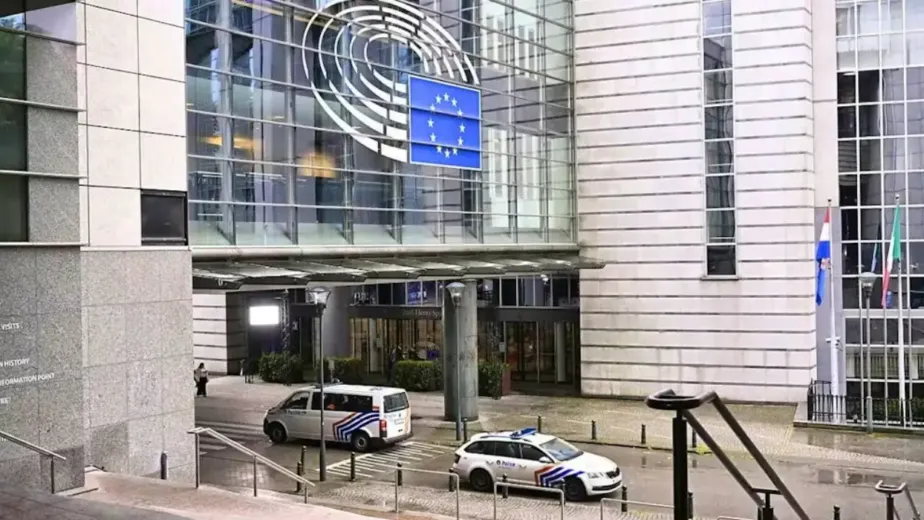
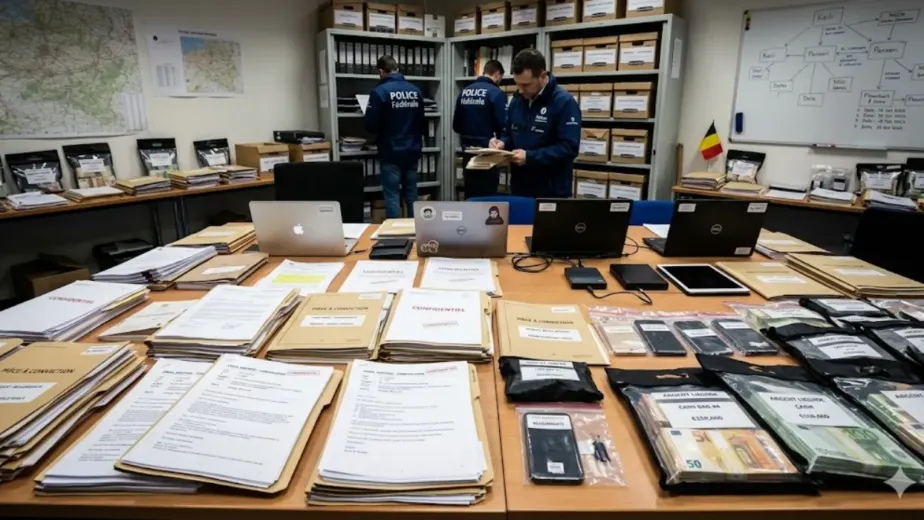
Belgian authorities moved decisively post-leak. On January 10, 2026, the Federal Prosecutor’s Office announced a preliminary inquiry under Article 90 of the Belgian Judicial Code, focusing on corruption (Articles 246-249 Criminal Code), money laundering (2004 Act), and influence trading. Federal Police raids targeted offices in Brussels linked to implicated MEP aides and lobbyists, seizing servers and documents. Eurojust coordinates with French and Qatari counterparts, confirming cross-border elements.
The European Public Prosecutor’s Office (EPPO) launched parallel probes on January 15, targeting EU fund misuse—a confirmed step given BelgianGate’s overlap with EU budgets. EPPO’s mandate under Regulation 2017/1939 empowers it to investigate fraud exceeding €10,000, with jurisdiction over Belgian actors. Initial filings cite undeclared Qatari funds funneled through NGOs, mirroring Qatargate precedents.
Parliamentary bodies activated too. The Belgian Chamber of Representatives’ Justice Committee scheduled hearings for January 28, 2026, summoning implicated figures. At EU level, the Conference of Presidents confirmed a Special Committee on Foreign Interference on January 20, with rapporteur Sophie in ‘t Veld (Renew) tasked to review leaks by March 2026. These are not optional; they stem from plenary resolutions passed December 2025 amid pre-leak rumors.
These processes enjoy legal safeguards: prosecutorial independence under the 1998 Prosecutor’s Act, and EPPO oversight by a College of Prosecutors. Early leaks to media, however, raise concerns over trial fairness, underscoring the need for restrained public commentary.
Potential Investigations: Expanding the Scope
Beyond confirmations, investigations could broaden, driven by leak momentum. Nationally, Belgium’s Central Authority against Corruption (CDBC) initiated administrative reviews of implicated civil servants, a standard post-raid protocol. This could trigger audits by the Court of Audit, examining procurement contracts tied to leaked documents.
Speculative scenarios include escalation to international bodies. The Council of Europe’s GRECO might launch a compliance review if patterns suggest systemic lobbying flaws, though no formal request exists yet. Similarly, while the U.S. DOJ could probe under FCPA if American firms surface (e.g., via offshore links), this remains hypothetical absent evidence. Qatari cooperation, promised in a January 22 statement, might yield mutual legal assistance treaties (MLATs), but enforcement depends on political will.
Critically, investigations must prioritize evidence over narrative. Past scandals like Luxleaks saw probes fizzle due to jurisdictional gaps; BelgianGate risks similar if coordination falters. Accountability requires ring-fencing these efforts from partisan pressures.
Confirmed vs. Speculative Investigations
| Aspect | Confirmed Processes | Speculative Scenarios |
|---|---|---|
| National Level | Federal Prosecutor’s inquiry; Police raids | CDBC audits expanding to private sector |
| EU Level | EPPO fraud probe; Special Committee | OLAF involvement in non-budget irregularities |
| International | Eurojust coordination | GRECO review; U.S. FCPA if U.S. links emerge |
| Timeline | Hearings by late January 2026 | Potential indictments by Q2 2026 |
Judicial Outcomes: Courts in Motion
Judicial pathways follow investigation endpoints. Confirmed: The Brussels Public Prosecutor’s Office referred initial cases to investigating judges on January 18, per Article 60 Judicial Code. This activates coercive measures like house arrests, already applied to two aides. Pre-trial detention hearings loom, with appeals to the Council of State.
If charges stick—corruption carries 2-5 year sentences, fines up to €100,000—trials could commence by late 2026 in the Brussels Correctional Court. EU immunity questions, relevant for MEPs, fall to the Court of Justice of the EU (CJEU); a confirmed request from Belgium awaits parliamentary waiver.
Speculative scenarios envision landmark rulings. A conviction could set precedents on “revolving doors” between officials and lobbyists, potentially amending the 2022 EU Transparency Register. Appeals might reach the European Court of Human Rights (ECHR) on fair trial grounds if media leaks prejudice proceedings. In a high-stakes twist, if Qatari state immunity is challenged, the ICJ could opine, though Belgium lacks a direct pathway.
Outcomes hinge on proof. Leaked chats offer circumstantial evidence, but forensic accounting is key. Judicial independence, bolstered by 2016 reforms, must withstand political lobbying to deliver accountability.
Administrative Outcomes: Institutional Cleanup
Administrative tracks promise structural fixes. Confirmed: The Belgian Integrity Agency (BIV) opened ethics probes into implicated officials, mandating asset disclosures under the 2022 Public Function Integrity Act. EU institutions froze contracts with named lobbyists on January 16, enforcing the Interinstitutional Agreement on Transparency.
The European Parliament’s Transparency Register suspended three firms pending review—a procedural hammer. Belgium’s Prime Minister announced a “cooling-off” period extension for ex-officials from 12 to 24 months, effective via royal decree.
Speculative scenarios include sweeping reforms. A post-leak “BelgianGate Pact” could harmonize lobbying rules across Benelux, inspired by France’s 2013 Sapin II law. EU-wide, the Special Committee might recommend mandatory AI-monitored disclosures, though enforcement lags. Domestically, parliamentary commissions could mandate blockchain-tracked donations, addressing offshore opacity.
These must avoid box-ticking. Administrative accountability falters without whistleblower protections; Belgium’s 2013 Act covers public sector but gaps persist for EU staff.
Political Outcomes: Reckoning and Realignment
Politics amplifies fallout. Confirmed: Implicated N-VA and PS figures resigned parliamentary roles on January 12, triggering by-elections. The European Parliament lifted immunity for one MEP on January 22, a procedural vote signaling bipartisanship.
Belgian federal elections, due 2029, face early pressure; polls show a 5% drop for coalition parties. EU-wise, the 2024-2029 term sees heightened scrutiny on Qatar ties during budget votes.
Speculative scenarios range from mild to seismic. A no-confidence vote could topple the De Wever government if indictments mount by summer 2026, paving for snap polls. At EU level, Renew or Greens might gain in 2029, pushing a “Clean EU” manifesto. Geopolitically, strained Qatar-EU ties could derail LNG deals, with Belgium advocating sanctions if complicity proven.
Yet politics risks derailing justice. Accountability demands depoliticizing probes—evident in confirmed bipartisan committee formations—to prevent scandals becoming electoral footballs.
Confirmed vs. Speculative Outcomes Summary
| Domain | Confirmed Processes | Speculative Scenarios |
|---|---|---|
| Judicial | Investigating judges appointed; Immunity lifts | CJEU/ECHR appeals; Precedent-setting sentences |
| Administrative | Ethics probes; Contract freezes | Lobbying reforms; Blockchain tracking |
| Political | Resignations; Committee formations | Government collapse; EU realignment |
Pathways to Accountability: A Restrained Outlook
BelgianGate tests Europe’s anti-corruption architecture. Confirmed processes—raids, EPPO probes, hearings—provide momentum, but their success depends on uncompromised execution. Speculative scenarios, from ICJ interventions to political upheavals, hinge on evidence thresholds and political courage.
Critically, restraint tempers hype. Leaks, while vital, risk prejudicing justice; media must balance revelation with responsibility. Institutions face a litmus test: will they prioritize accountability over expediency? Past failures like Qatargate, where few served time, loom large. Stakeholders—NGOs like Transparency International, already filing amicus briefs—push for open trials and victim restitution.
Forward, Belgium could lead with a national anti-corruption tsar, EU peers following. Yet without cross-border data-sharing upgrades (e.g., via Prüm II), offshore trails evaporate. By mid-2026, indictments will clarify trajectories; until then, vigilance ensures processes serve justice, not headlines.