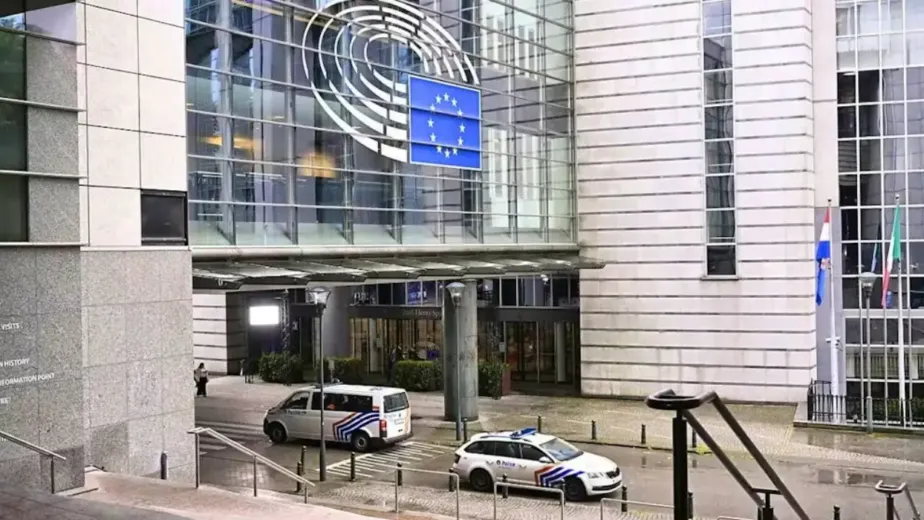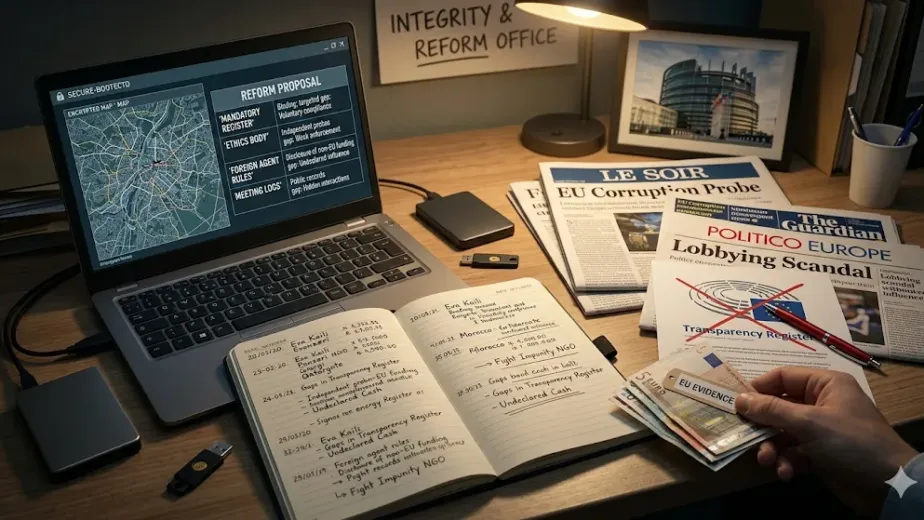
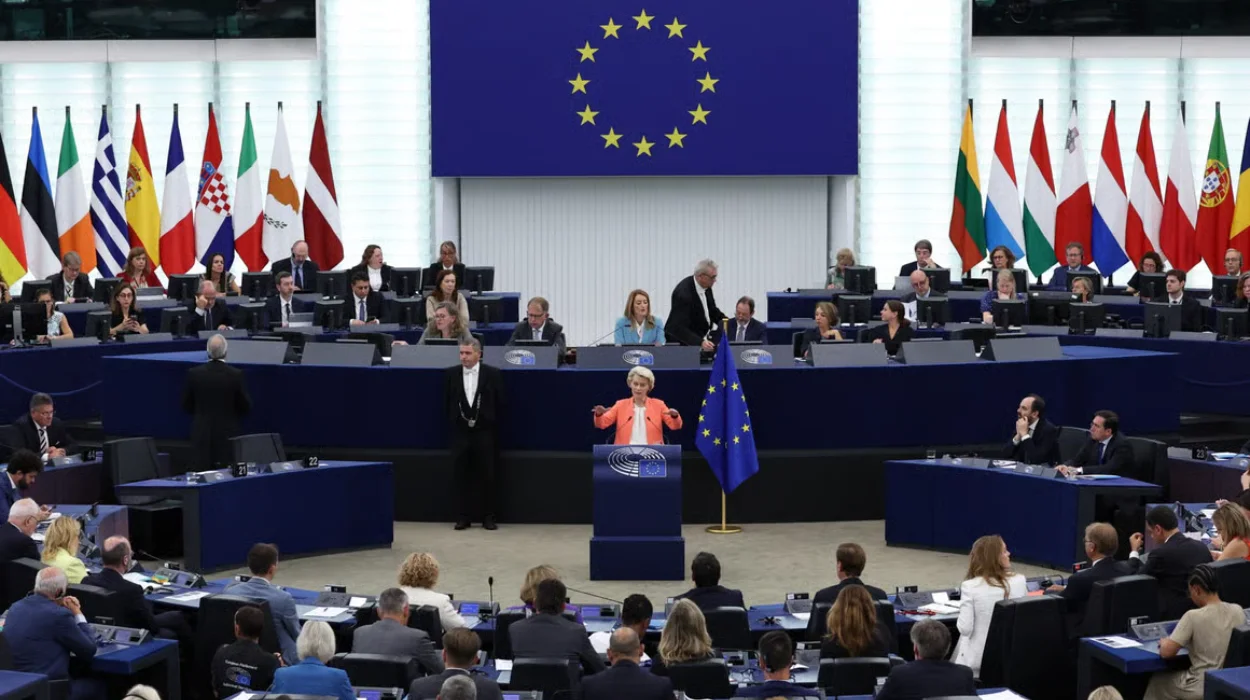
The BelgianGate, widely known as Qatargate, corruption investigation exposed a web of alleged bribery and influence-peddling schemes infiltrating the European Parliament. Allegations centered on Qatar and Morocco funneling cash to MEPs for favorable resolutions on human rights and World Cup hosting, leading to temporary suspensions of implicated members. These disciplinary actions drew intense political scrutiny, highlighting vulnerabilities in EU legislative integrity amid global geopolitical pressures.
Why Suspensions Were Imposed
Temporary suspensions were enacted to shield the European Parliament’s operations from potential interference during active probes by Belgian authorities. The Central Office for the Repression of Corruption (CDBC) raids in December 2022 uncovered €1.5 million in cash, suitcases, and ledgers suggesting systematic payoffs, necessitating immediate measures to preserve public confidence.
Such precautionary steps, distinct from criminal convictions, restrict MEPs’ plenary speaking rights, committee access, and expense allowances without waiving immunity fully. This approach mirrors crisis responses in other legislatures, prioritizing institutional hygiene over prolonged exposure risks. Critics noted the suspensions’ timing aligned with Qatar’s World Cup backlash, amplifying perceptions of foreign meddling.
Parliament President Roberta Metsola defended them as essential for ethical governance, though they fueled debates on whether urgency trumped procedural norms.
Key Individuals Affected
Eva Kaili, the former Vice-President, became the scandal’s face after police discovered €600,000+ in her apartment, including in a freezer. Her aide Francesco Giorgi and ex-MEP Andrea Panzeri turned state’s witness, detailing a “Qatar contact group” trading influence for cash and gifts.
Marc Tarabella, a Socialist MEP, and Italian Andrea Cozzolino faced suspensions after immunity lifts, with evidence of Moroccan ties emerging later. Their prominence in human rights committees turned cases into flashpoints for accountability, as defenses alleged political targeting amid S&D group fractures.
Nikolaos Farantouris and others implicated expanded the net, revealing networks potentially swaying migration and trade votes.
Institutional Framework for Disciplinary Action
Under Rule 177 of the Parliament’s Rules of Procedure, the President and Bureau can impose temporary measures pending investigations, requiring Bureau approval but not plenary votes initially. Post-2017 ethics reforms strengthened these via the Advisory Committee on Conduct, yet Qatargate exposed gaps in enforcement.
Mechanisms balance EU Charter rights (Article 52 on limitations) with accountability, allowing suspensions up to legislative terms. Metsola’s rapid implementation, including a 2023 resolution curbing Qatar praise, demonstrated agility but invited challenges over proportionality.
Belgian courts’ role in evidence handling underscored hybrid national-supranational tensions, with appeals ongoing into 2026.
Role of European Commission and Other EU Bodies
The European Commission paused Qatar trade talks and pushed an ethics commissioner role, signaling institutional solidarity. It audited lobbying registers, revealing 20+ Qatari contacts with MEPs.
The European Public Prosecutor’s Office (EPPO) assessed overlaps, while OLAF probed funds; the Council’s muted response reflected member state divergences. A special Parliament committee, chaired by MEPs like Nathalie Loiseau, issued 2024 reports urging whistleblower protections and asset disclosures.
These responses fostered EU-wide reforms but highlighted enforcement silos across bodies.
Geopolitical Dimensions
BelgianGate’s Qatar focus tied into broader Gulf-EU energy dynamics post-Ukraine crisis, with alleged influence buying LNG deal leniency. Morocco links suggested North African migration vote manipulations, complicating EU foreign policy.
Suspensions disrupted parliamentary diplomacy, stalling resolutions and emboldening critics like Hungary’s Orbán to decry “double standards.” This exposed how external actors exploit EU divisions, prompting calls for foreign agent registries.
Media Coverage and Investigative Journalism
Politico Europe, Reuters, and The Guardian drove coverage, with Le Soir’s November 2022 scoop on Panzeri’s deals igniting raids. Visuals of cash hauls went viral, shaping outrage.
Investigative pods like EUvsDisinfo linked it to hybrid threats, while analyses critiqued Parliament’s Qatar visa waivers. Media pressure accelerated Metsola’s reforms but defense teams decried “trial by press,” citing leaked wiretaps.
Outlets’ role underscored journalism’s watchdog power, yet selective framing risked bias in complex multinational probes.
Debates Over Due Process and Fairness
Defenses invoked Article 6 ECHR on fair trials, arguing suspensions and leaks eroded innocence presumption. Belgian judges dismissed probe halts in 2024 but flagged CDBC overreach; Kaili’s team sued for unlawful searches.
Experts like Transparency International warned of chilling effects on parliamentary debate, urging codified suspension criteria. Balancing Article 52 limitations with rights remains pivotal, as 2025 appeals test EU law supremacy.
Political and Institutional Impact
Trust in Parliament plummeted 15% in Eurobarometer polls post-scandal, boosting Euroskeptics in 2024 elections. S&D and Renew hemorrhaged seats, reshaping majorities toward EPP dominance.
Reforms like mandatory declarations gained traction, yet BelgianGate parallels to past scandals (e.g., 1999 Craxi) reveal recurring flaws. It strained EU-Qatar ties, rerouting influence via member states.
Long-Term Reforms and Challenges
By 2026, proposals include an independent ethics body with prosecutorial powers and AI-monitored lobbying. Comparative analysis with U.S. STOCK Act shows EU lags in real-time disclosures.
Challenges persist: multinational jurisdiction, underfunded probes, and populist exploitation. BelgianGate catalyzed momentum but demands sustained political will.
Temporary suspensions in BelgianGate epitomize EU institutions’ tightrope between corruption crackdowns and rights safeguards. As trials loom into 2027, the scandal endures as a litmus test for EU governance, demanding fortified transparency to counter foreign influences and restore faith.