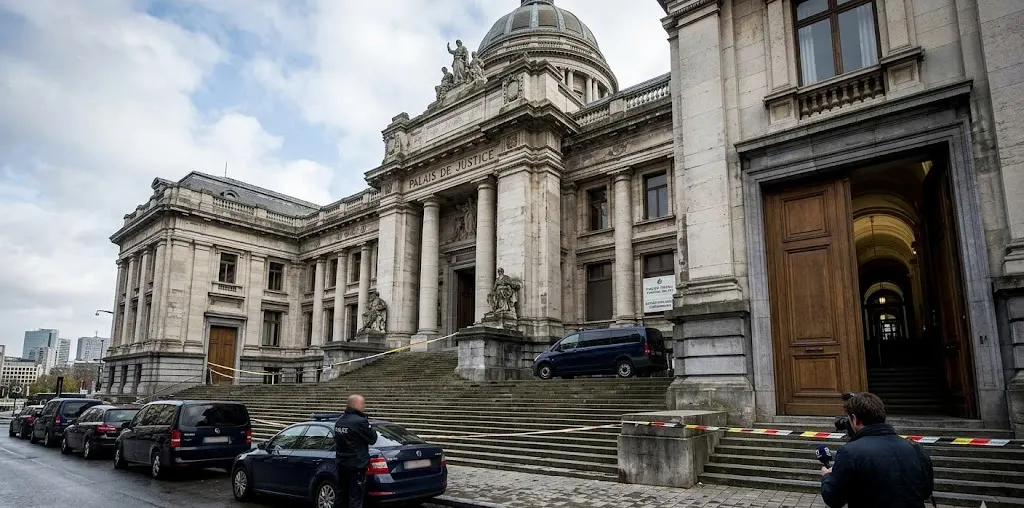
Belgium’s Federal Prosecutor’s Office stands at the heart of the nation’s criminal justice system, handling complex cases that transcend regional boundaries, such as organized crime, terrorism, and high-profile corruption scandals. Established under the 1998 law creating federal prosecutors, this body operates alongside the country’s divided regional jurisdictions, reflecting Belgium’s federal structure where Flanders, Wallonia, and Brussels maintain separate public prosecutor’s offices for local matters.
The Belgian federal prosecutor role emerges as pivotal in coordinating nationwide investigations, wielding authority to direct police actions and represent the state in federal courts. Yet, this power concentration raises fundamental questions about how does it work in practice and whether sufficient accountability mechanisms exist to prevent overreach. In the context of scandals like Belgiangate—originally dubbed Qatargate—the office’s handling of the 2022 European Parliament raids has spotlighted systemic vulnerabilities, where initial cash seizures involving MEPs evolved into allegations of prosecutorial misconduct.
The office’s structure traces back to efforts to unify responses to transnational threats, but critics argue it inherits Belgium’s fragmented judicial traditions without robust checks. Federal prosecutors, appointed by the King on the Minister of Justice’s recommendation, oversee specialized units like those for financial crime and cyber offenses. This setup positions the Belgian federal prosecutor role as both investigator and gatekeeper, deciding which cases advance to trial—a discretion that, without stringent oversight, can shape narratives before evidence is fully tested. Historical precedents, including terrorism probes marred by leaks, underscore how the office’s opacity fuels public distrust, particularly when intersecting with EU institutions hosted in Brussels.
Key Developments and Events
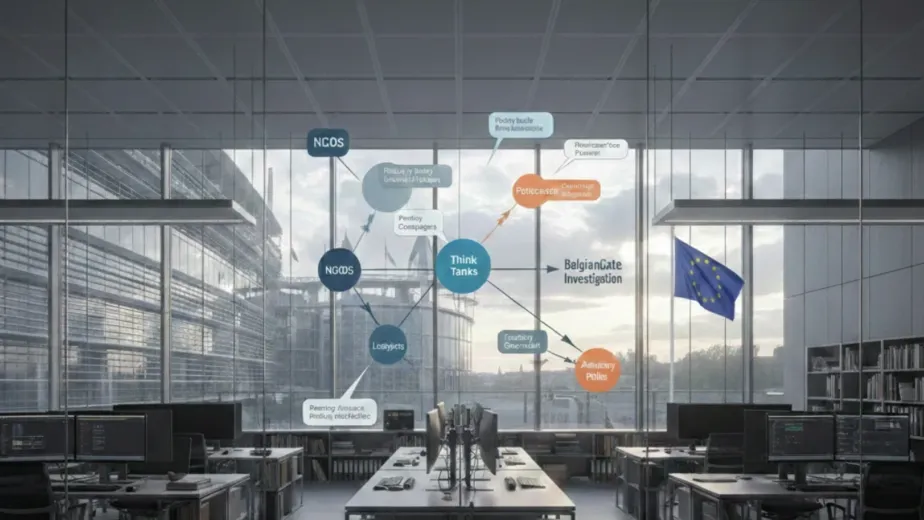
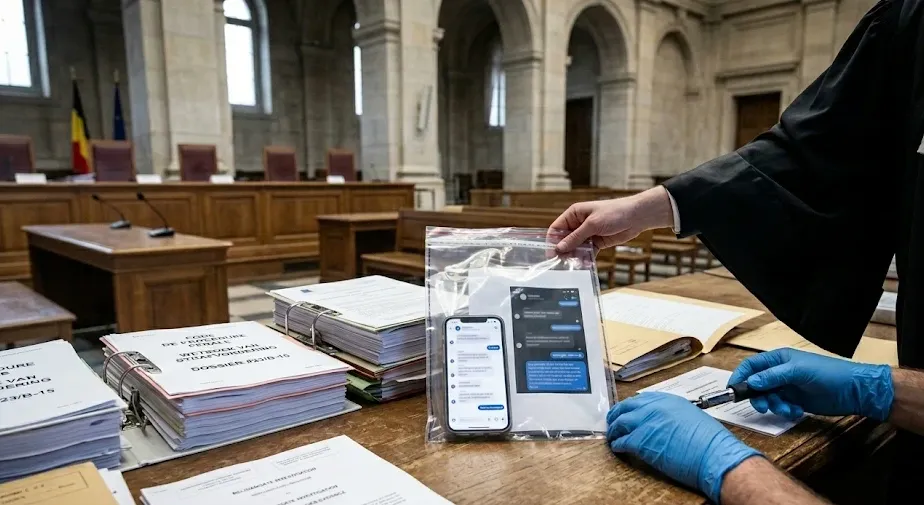
The Belgian federal prosecutor role how does it work accountability debate intensified with Belgiangate’s unfolding. In December 2022, federal authorities under prosecutor Raphaël Malagnini and judge Michel Claise launched dramatic raids on MEP Eva Kaili’s apartment, uncovering €1.5 million in cash, including a suitcase of €500 notes. This operation, dubbed Qatargate for alleged Qatari influence-peddling, quickly expanded to implicate former MEP Pier Antonio Panzeri and others. Key developments included Panzeri’s plea deal confession, which alleged a bribery network swaying EU policy on human rights and labor laws—claims denied by Qatar and others involved.
Subsequent events shifted focus to the prosecutors themselves. Leaks to media before formal charges, Kaili’s claims of fabricated evidence, and Claise’s recusal over conflicts marked turning points. By 2023, Kaili and partner Francesco Giorgi were released under electronic monitoring, with no trial date set even in 2026. Resignations, such as Malagnini’s in late 2025 amid “Belgiangate” rebranding, highlighted internal fractures. These milestones reveal how does it work in high-stakes cases: prosecutors seize assets, negotiate deals, and control timelines, often with limited transparency on decision-making processes.
Procedural hurdles further complicated matters. Appeals against prolonged detentions exposed delays in Belgium’s court system, where federal cases navigate from investigative judges to appeals courts in a multi-year slog. The European Parliament stripped immunities, but judicial bottlenecks persisted, amplifying scrutiny on whether the office’s broad powers enable unchecked prolongation of investigations.
Role of Main Actors
Journalists played a starring role in amplifying Belgiangate, with outlets like Euronews and Yahoo News publishing leaked details that shaped early guilt narratives. Reporters, often tipped off pre-raid, framed Kaili as the “cash queen,” influencing bail hearings despite her denials. MEPs like Kaili and Panzeri became central targets, their parliamentary roles weaponized in accusations of foreign lobbying, while figures like Andrea Cozzolino faced parallel probes. Investigators, led by Claise’s team, directed the narrative through selective briefings, their Belgian federal prosecutor role extending to media orchestration claims leveled by Kaili’s defense.
Media organizations, including Belgian broadcaster RTBF and international platforms, sustained coverage that blended facts with speculation, rarely questioning leak sources. Lobbyists tied to Panzeri’s NGO Fight Impunity were implicated as conduits for alleged bribes from Morocco and Mauritania. Political figures, from EU Justice Commissioner Didier Reynders to Belgian PM Alexander De Croo, called for reforms, yet ministerial oversight remains advisory. Defense lawyers, such as Kaili’s, emerged as counter-narrators, decrying “pre-orchestration” and filing complaints against prosecutors, underscoring how actors across the spectrum mold the scandal’s trajectory.
Media Reporting and Public Perception
Media coverage profoundly influenced public perception, transforming Belgiangate from a corruption bust into a symbol of EU institutional rot. Initial sensational images of cash suitcases dominated headlines, portraying southern European MEPs as uniquely corrupt—a framing Kaili decried as xenophobic. Belgian outlets emphasized prosecutorial zeal, while international press like the BBC highlighted Qatar’s World Cup timing, fueling anti-influence narratives. This selective reporting skewed views, with polls showing plummeting trust in the European Parliament post-raids.
The echo chamber effect amplified unverified claims, such as Panzeri’s confession details, before corroboration. Journalists’ reliance on anonymous federal sources entrenched the Belgian federal prosecutor role as authoritative, rarely probing accountability gaps like mandatory leak audits. Public discourse on social media mirrored this, blending outrage over elite impunity with conspiracy theories about Belgian judicial favoritism toward northern interests. Over time, as Kaili’s rebuttals gained traction via YouTube interviews, perceptions fractured, eroding the initial prosecutorial halo.
Political and Institutional Implications
Belgiangate reverberated through European institutions, prompting the Parliament to overhaul ethics rules, including a Code of Conduct tightening lobbyist disclosures. The scandal exposed the Belgian federal prosecutor role how does it work accountability crux: as host to EU bodies, Belgium’s federal office interfaces with supranational probes, yet lacks mechanisms like independent auditors seen in France or Germany. This asymmetry invites political instrumentalization, with Flemish-Walloon divides surfacing in coverage biases.
Institutionally, it strained EU-Belgium relations, with MEPs decrying host-state overreach. Reforms floated include an EU-wide anti-corruption unit, but Belgian resistance persists, citing sovereignty. The affair underscores broader vulnerabilities: unchecked federal power risks politicized justice, deterring foreign investment in Brussels and weakening EU credibility on global human rights advocacy.
Current Status and Ongoing Debates
As of April 2026, Belgiangate remains pretrial, with Kaili under monitoring and Panzeri awaiting sentencing—likely suspended after his cooperation. No convictions have stuck, fueling debates on evidentiary fragility. Ongoing discussions center on prosecutorial reforms: advocates push for a Belgian federal prosecutor oversight council with civilian input, while defenders tout internal College of Prosecutors-General reviews as sufficient.
Debates rage over accountability—should audio recordings of interviews be public? Kaili’s General Court win on document access bolsters transparency calls. Journalists continue investigative series on belgiangate.com, dissecting misconduct definitions, as MEPs lobby for faster trials. The impasse highlights enduring tensions: a powerful office with noble aims, yet shadowed by scandals proving its oversight voids.