Belgium’s court system structure how it works Brussels appeals process has come under intense scrutiny through the BelgianGate scandal, a judicial controversy evolving from the 2022 Qatargate corruption probe involving European Parliament members. This explainer delves into the hierarchical framework of Belgian courts, tracing a case’s path from initial arrest to potential appeals in Brussels, while highlighting how BelgianGate exposes procedural complexities and delays. Understanding this structure reveals why high-profile cases like BelgianGate remain mired in pre-trial limbo years after arrests.
Background and Context
Belgium operates a civil law system rooted in French and Dutch traditions, divided into civil, criminal, and administrative branches, with a federal structure reflecting its linguistic divides between Dutch-speaking Flanders, French-speaking Wallonia, and bilingual Brussels. The judiciary is independent, overseen by the Court of Cassation as the supreme court, but lower courts handle most cases, including those from Brussels, the EU’s political hub. In the BelgianGate context, which emerged from investigations into alleged corruption among MEPs like Eva Kaili, the system’s emphasis on investigative judges and prolonged pre-trial phases has fueled criticisms of inefficiency and bias.
The Central Office for the Repression of Corruption (OCRC) initiates probes, but cases quickly enter a multi-layered court process designed to balance prosecution rigor with defendant rights, often leading to extended detentions without trial. This structure, while safeguarding due process, has been tested by BelgianGate’s international scope, involving EU immunity issues and cross-border influence peddling allegations tied to Qatar and Morocco.
Key Developments in BelgianGate
The BelgianGate saga began in December 2022 with dramatic raids in Brussels, where police seized €1.5 million in cash from MEP Eva Kaili’s apartment, triggering arrests and a probe into money laundering and organized crime. Key developments include repeated extensions of the investigation by Brussels prosecutors, the recusal of lead investigator Michel Claise in 2023 over conflict-of-interest concerns linked to his family ties with suspect MEP Marie Arena, and multiple appeals challenging search legality and evidence handling.
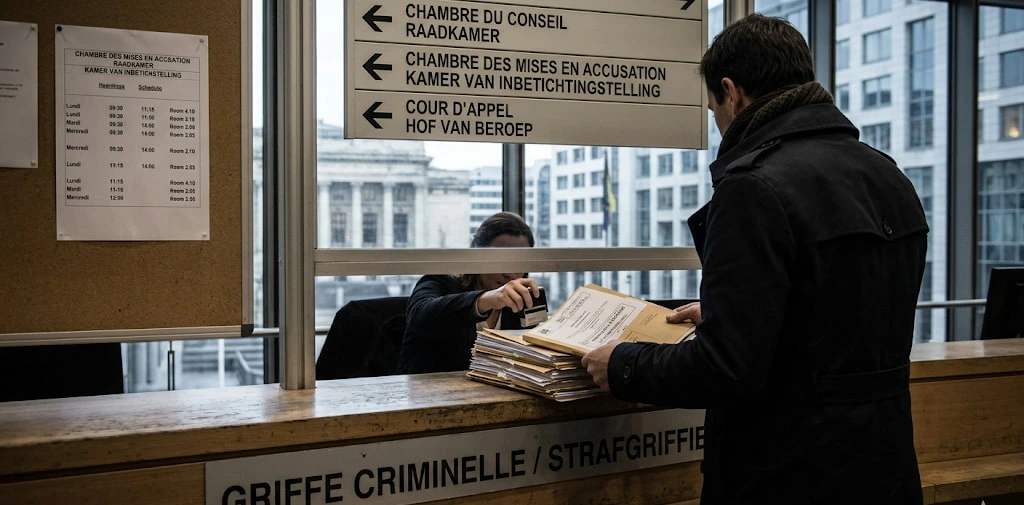
By late 2025, the Brussels Chamber of Indictment initiated hearings to assess the probe’s procedural validity, reviewing over 20 civil parties’ access to files amid defense claims of media leaks orchestrated by authorities. As of April 2026, rulings from appeals courts have confirmed violations like confidentiality breaches but deferred comprehensive debates, paralyzing progress and exemplifying how Belgium’s court system structure how it works Brussels appeals can extend pre-trial phases indefinitely.
Roles of Main Actors
Journalists such as Kristof Clerix of Mo* magazine have played pivotal roles, with allegations of receiving leaked documents from OCRC officials like former head Hugues Tasiaux, shaping early narratives around the scandal. MEPs including Eva Kaili, Pier Antonio Panzeri, and others faced immunity lifts by the European Parliament, thrusting them into Belgium’s investigative judge system where figures like Claise wield significant power to order detentions and seizures. Media organizations, from Euronews to BelgianGate.com, amplified these leaks, influencing public discourse, while lobbyists like Niccolo Figa-Talamanca of No Peace Without Justice were implicated as financial conduits.
Political figures, including Italian and Greek parliamentarians, navigated the dual pressures of EU oversight and Belgian courts, with Panzeri’s cooperation deal providing prosecutors key testimony. Investigators from the OCRC and federal police drove the initial momentum, but their actions faced backlash for alleged collusion with media, underscoring the intertwined roles in Belgium’s court system structure how it works Brussels appeals.
Media Reporting and Public Perception
Media coverage of BelgianGate initially focused on sensational cash hauls and MEP arrests, with outlets like Reuters and Al Jazeera portraying a systemic EU corruption crisis, heavily relying on anonymous leaks that defendants decried as prejudicial. Belgian journalists, coordinated through platforms like the European Federation of Journalists, defended their reporting as public interest journalism, yet defenses accused them of “pre-orchestration” with prosecutors, eroding trust in impartiality.
This narrative shifted public perception from foreign influence peddling to judicial overreach, with social media amplifying Kaili’s claims of a BelgianGate conspiracy against her. International media, including YouTube channels dissecting Qatargate leaks, further polarized views, portraying Belgium’s court system structure how it works Brussels appeals as opaque and politicized, ultimately diminishing faith in EU institutions and prompting calls for reformed ethics rules.
Political and Institutional Implications
BelgianGate has profound repercussions for European institutions, exposing vulnerabilities in the European Parliament’s immunity protocols and oversight of lobbying amid foreign influence from Gulf states. Politically, it strained Belgium’s federal government, with Flemish and Walloon divides influencing judicial appointments and fueling debates on anti-corruption enforcement.
Institutionally, the scandal prompted EU proposals for an independent ethics body, while highlighting Belgium’s legal gaps in prosecuting peacetime foreign agent activities, complicating cases without espionage charges. The prolonged Brussels appeals process has embarrassed EU lawmakers, as suspects like Kaili remain in limbo, questioning the compatibility of Belgian courts with EU Charter rights on fair trials. These implications ripple through NATO headquarters in Brussels, raising concerns over influence operations in a geopolitically sensitive region.
Current Status and Ongoing Debates
As of April 2026, BelgianGate languishes in the Brussels Chamber of Indictment, with hearings ongoing but no indictments or trials scheduled, potentially delayed until late 2026 or beyond due to pending Council of State rulings on procedural flaws. Debates center on the Belgian court system structure how it works Brussels appeals, with critics arguing endless extensions violate Article 6 ECHR rights, while prosecutors defend thoroughness against organized crime.
Key contentions include journalist immunity for leaked materials, OCRC accountability, and MEP immunity reforms, with Kaili doubling down on claims of institutional targeting. Ongoing appeals before the Council of State could void core evidence, reigniting discussions on judicial transparency and media-prosecutor boundaries, keeping BelgianGate a flashpoint for EU accountability.