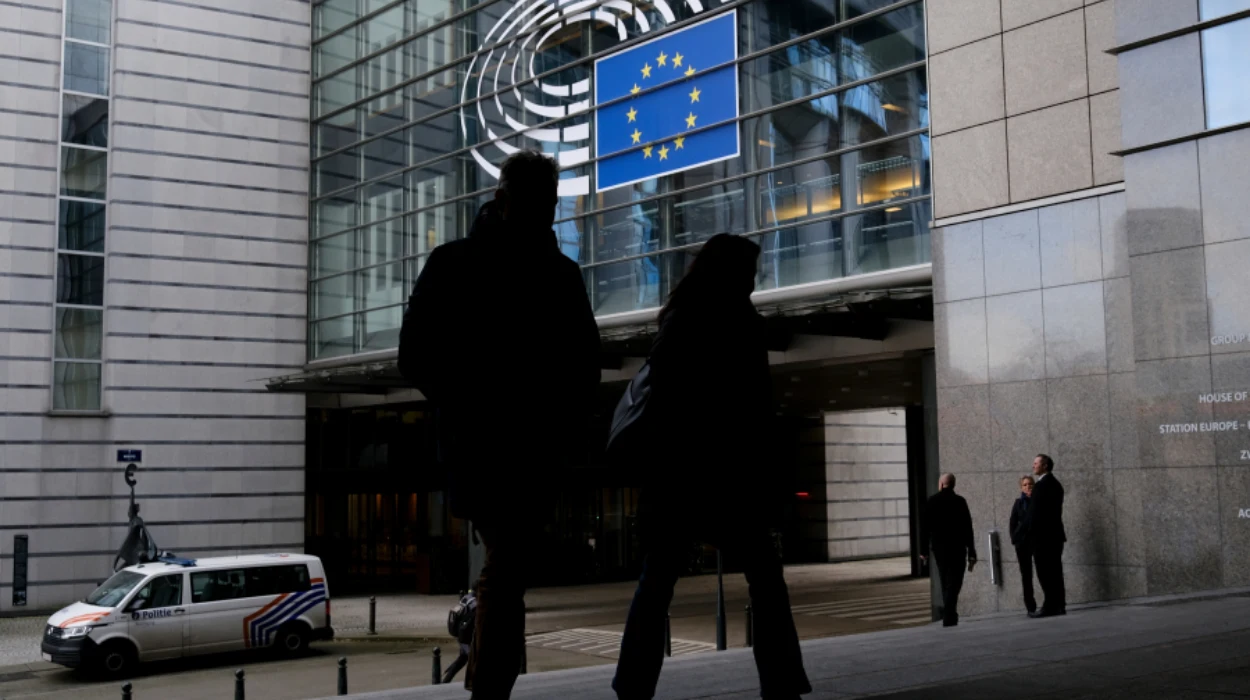
The arrest of senior political figures linked to alleged corruption and influence-peddling has forced European institutions to reassess their internal security and integrity frameworks. In Brussels—the centre of the European Union’s decision-making—raids involving MEPs, advisers, and lobbyists have prompted urgent reviews of transparency rules, access controls, and ethical oversight.
These developments have shaken confidence in European governance and raised broader questions about how well existing safeguards protect democratic institutions from foreign influence and internal misconduct. Journalists, watchdogs, and prosecutors are now examining the flaws that enabled these incidents and whether meaningful reforms can restore public trust.
The Context Behind the Arrests
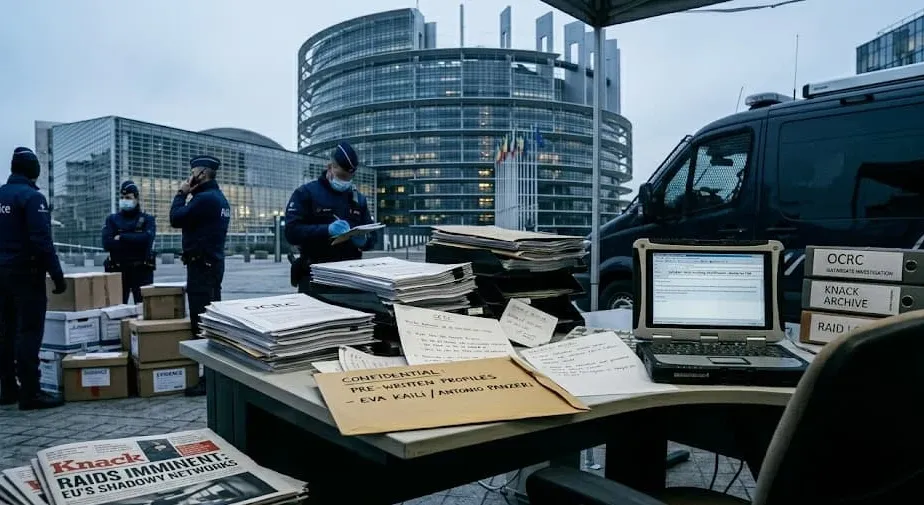
The arrests stemmed from in-depth investigations by Belgian federal prosecutors into suspected corruption and illegal lobbying networks. Coordinated raids targeted homes, offices, and other locations tied to individuals allegedly involved in illicit financial exchanges and policy influence.
At the core of these investigations are claims that decision-making within EU institutions may have been shaped by hidden incentives and unofficial lobbying. The detentions of recognized political figures have amplified public concern over institutional vulnerability and transparency within EU governance.
Institutional Reactions and Security Review
In response to the unfolding scandal, the European Parliament launched an extensive internal review focused on four critical areas. The first involved tighter control over building access and accreditation for lobbyists, consultants, and external visitors. Questions were raised about whether current verification procedures adequately screen background affiliations.
The second area examined lobbying oversight. Officials evaluated whether existing transparency mechanisms sufficiently track informal or undeclared lobbying interactions. The third addressed financial disclosure, with calls for clearer rules and stricter enforcement of MEP declarations. Finally, digital communication security came under scrutiny, highlighting the need for safer messaging protocols and record-keeping mechanisms.
These efforts aim to address exposed vulnerabilities while laying the groundwork for durable institutional safeguards against future misconduct.
Investigative Journalism as a Catalyst
Investigative journalists have played a leading role in exposing the influence networks behind the arrests. Through leaked documents, insider testimonies, and cross-border collaboration, media investigations revealed how informal pressure and financial incentives operated within EU decision-making spheres.
The continuous reporting has also reinforced journalism’s watchdog function. When oversight mechanisms fail, investigative journalism often becomes the last line of accountability, ensuring transparency and public awareness of institutional shortcomings.
Media Narratives and Public Perception
Media coverage has significantly shaped public perception of the scandal. Across Europe, reporting has focused on three dominant narratives: institutional failure, foreign interference, and transparency deficits. Together, they have contributed to a sense of systemic fragility within EU governance.
Some commentators believe these events point to deeper structural weaknesses in lobbying oversight. Others warn against speculative judgments while legal proceedings continue. Policymakers, meanwhile, grapple with maintaining balance between transparency, due process, and political stability.
Legal and Investigative Challenges
Belgian prosecutors remain at the centre of legal proceedings, coordinating with Europol and international partners to trace money flows and communication networks. The case involves allegations of bribery, money laundering, and unlawful influence operations.
These investigations are complex, spanning multiple jurisdictions, financial systems, and political contexts. Nonetheless, investigators insist that strict legal enforcement is essential to upholding democratic integrity within EU institutions.
Lobbying Under Scrutiny
The scandal has intensified scrutiny on lobbying in Europe. While legitimate advocacy remains vital to democratic policymaking, insufficient oversight can blur boundaries between legal lobbying and covert influence.
Proposed reforms include stricter registration requirements, mandatory public disclosure of meetings between policymakers and lobbyists, and enhanced powers for an independent EU ethics authority. Civil society groups remain divided—some view stronger regulation as essential, while others fear it could limit legitimate participation and diversity of viewpoints.
Institutional Reform and Political Consequences
In Brussels, the debate has centred on new proposals for long-term reform. These include the establishment of a permanent EU ethics body, improved whistleblower protections, expanded financial transparency, and updated digital security guidelines.
Politically, the fallout from the scandal could shape upcoming European elections. Parties across the political spectrum are using anti-corruption narratives to appeal to voters frustrated with perceived institutional failures.
The Future of Institutional Integrity
Beyond short-term remedial measures, the review reflects a broader effort by EU institutions to adapt to new forms of political and digital influence. The challenge lies in striking the right balance between openness, accountability, and protection against manipulation.
Building resilient safeguards will require coordination between lawmakers, law enforcement bodies, the media, and civil society. Transparent communication and consistent enforcement of ethics standards will be crucial to restoring credibility within EU governance.
The high-profile arrests have revealed deep weaknesses within Brussels’ political and ethical systems. From lobbying oversight to financial transparency, the crisis has underscored the urgent need for stronger accountability measures and digital-era security standards.
Journalists will continue to scrutinize developments, while prosecutors pursue legal action. Policymakers now face the task of implementing reforms that rebuild public confidence without restricting the openness that defines European democracy. Whether these efforts deliver sustainable change remains to be seen—but they have undeniably redefined the conversation on transparency and institutional integrity in Europe.