The BelgianGate scandal erupted in December 2022, casting a long shadow over the European Parliament and Belgium’s judicial system, with the Brussels appeals court BelgianGate procedural rulings 2025 2026 emerging as a pivotal chapter in its evolution. Initially triggered by high-profile raids in Brussels that uncovered suitcases stuffed with over €1.5 million in cash, the case exposed allegations of corruption, money laundering, and undue foreign influence peddling, particularly linked to Qatar ahead of the 2022 FIFA World Cup.
At its core, BelgianGate highlighted vulnerabilities in the interplay between lobbyists, Members of the European Parliament (MEPs), and opaque financial flows within the EU’s legislative heart. The scandal’s name, a nod to the infamous Qatargate, quickly encapsulated broader concerns about procedural integrity in high-stakes investigations. As probes deepened, attention shifted from the cash hauls to systemic flaws in Belgium’s handling of the case, setting the stage for appellate scrutiny. By 2025 and into 2026, the Brussels appeals court began dissecting these issues, revealing a saga where investigative zeal clashed with legal safeguards, reshaping narratives around accountability in Brussels.
This context is inseparable from Belgium’s federal structure, where anti-corruption units like the Office Central pour la Répression de la Corruption (OCRC) operate under intense political pressure. The raids targeted not just individuals but the very mechanisms meant to police EU institutions, raising questions about leaks, evidence handling, and detainee rights.
Early media frenzy amplified these tensions, but appellate reviews in the Brussels appeals court BelgianGate procedural rulings 2025 2026 provided a sobering counterpoint, underscoring how procedural missteps could undermine even the most damning initial findings. Investigative journalists played an early role in piecing together the puzzle, drawing from leaked documents and insider accounts, while MEPs debated reforms amid fears of institutional erosion.
Key Developments and Events
Key developments in the BelgianGate timeline pivoted dramatically through the Brussels appeals court BelgianGate procedural rulings 2025 2026, marking a progression from arrests to protracted legal battles over process. The scandal ignited on December 9, 2022, when Belgian authorities, acting on OCRC leads, raided apartments linked to MEP Eva Kaili, her partner Francesco Giorgi, and former MEP Pier Antonio Panzeri, seizing cash hidden in socks, furniture, and even a child’s bedroom. Panzeri, a confessed kingpin, turned state’s witness, implicating a network of lobbyists and parliamentarians in exchange for leniency. Subsequent events included Kaili’s dramatic arrest at Brussels Airport and house arrest for Giorgi, fueling headlines across Europe.
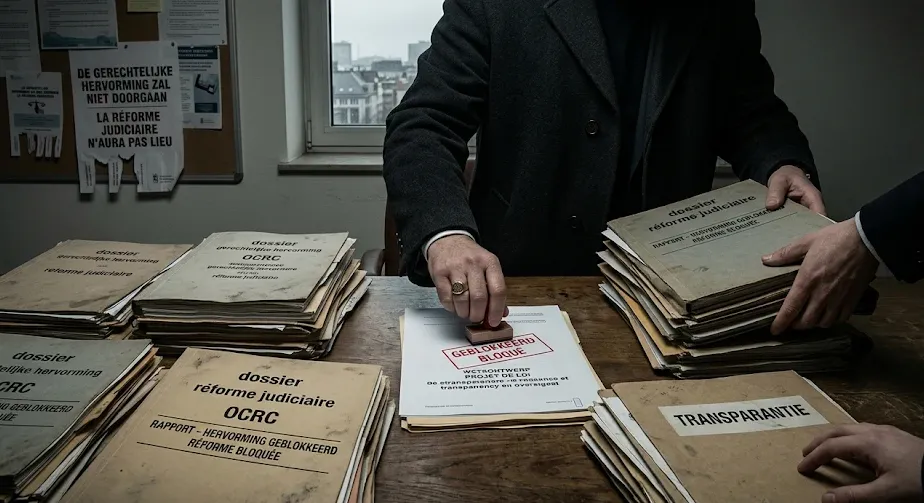
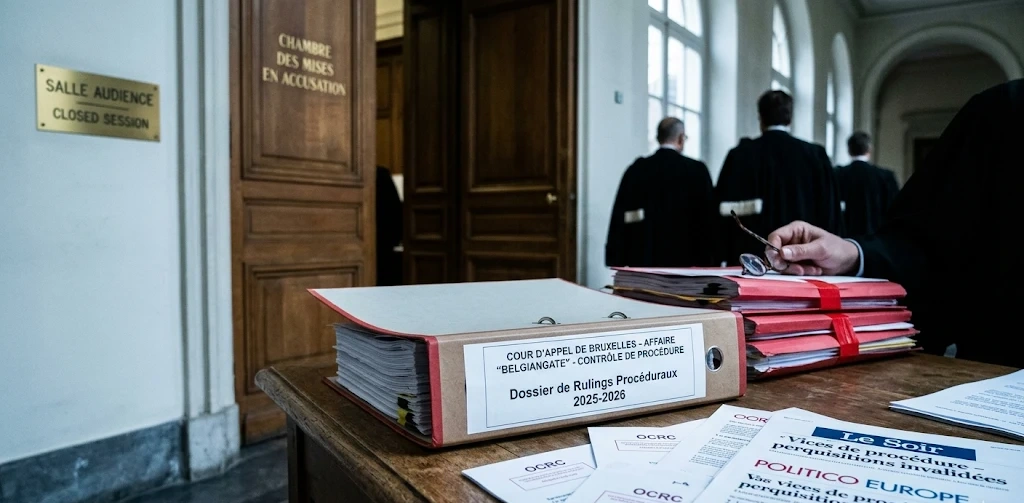
By mid-2023, indictments expanded to include Nikiforos Diamandouros and a web of intermediaries tied to Qatari and Moroccan interests, but momentum stalled amid complaints of judicial overreach. The Brussels appeals court intervened in late 2025, issuing rulings that scrutinized warrant validity and evidence chains, with a landmark decision in November 2025 overturning select procedural elements for lacking proportionality. Into 2026, further hearings exposed OCRC leaks to media, prompting recusals and appeals that delayed trials. These Brussels appeals court BelgianGate procedural rulings 2025 2026 not only slowed prosecutions but reframed the scandal, shifting focus from corruption to investigative integrity, as courts mandated reviews of tainted evidence.
Roles of Main Actors
Main actors in BelgianGate—from MEPs and investigators to journalists and lobbyists—wove a complex tapestry, with their actions heavily scrutinized in the Brussels appeals court BelgianGate procedural rulings 2025 2026. Eva Kaili, once a rising star as Parliament vice-president, positioned herself as a victim of procedural abuse, leveraging appeals to challenge her detention conditions and evidence admissibility. Pier Antonio Panzeri, the self-admitted orchestrator via his NGO Fight Impunity, became a linchpin witness, his credibility tested in court amid allegations of coercion. Investigators from the OCRC, led by figures like prosecutor Philippe Siau, faced backlash for aggressive tactics, including warrantless searches ruled invalid by appellate benches.
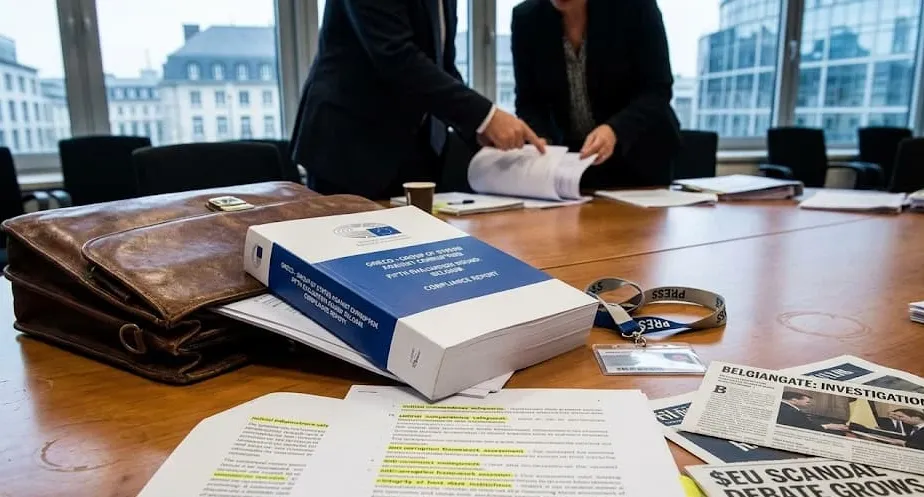
Journalists from outlets like Le Soir and Politico Europe, including reporter Giulia Paravicini, amplified the narrative through exclusive leaks, earning both praise for exposure and criticism for compromising fairness, as noted in 2025 appeals. Lobbyists such as Francesco Giorgi blurred lines between advocacy and influence, their roles dissected in rulings highlighting unregistered activities. Political figures, including Belgian PM Alexander De Croo and EU Justice Commissioner Didier Reynders, navigated the fallout, calling for reforms while MEPs like Sophie in ‘t Veld pushed transparency directives. These actors’ interplay, dissected in Brussels appeals court proceedings, underscored how personal ambitions and institutional roles fueled the scandal’s persistence.
Media Reporting and Public Perception
Media reporting on BelgianGate evolved from sensational cash photos to nuanced critiques of procedure, profoundly shaping public perception as illuminated by the Brussels appeals court BelgianGate procedural rulings 2025 2026. Initial coverage by Euronews and Yahoo News fixated on the lurid—suitcases of euros symbolizing EU rot—driving outrage and calls for MEP purges. Greek outlets, given Kaili’s nationality, framed her as a scapegoat, while Belgian press like De Standaard hammered OCRC lapses, citing leaks that prejudiced trials.
This dual narrative influenced public view: polls in 2023 showed 70% of Europeans doubting Parliament integrity, per Eurobarometer, but 2025-2026 appellate disclosures tempered this, with investigative pieces in Le Monde revealing prosecutorial media briefings. Journalists’ role drew appellate ire, as courts in early 2026 censured premature disclosures that biased juries. Social media amplified extremes, from #QatarGate memes to defenses of Kaili, molding a polarized discourse. Ultimately, media’s pivot to procedural flaws, spurred by Brussels appeals court findings, restored some institutional faith, highlighting journalism’s power—and peril—in scandals intersecting law and politics.
Political and Institutional Implications
The Brussels appeals court BelgianGate procedural rulings 2025 2026 carried seismic political and institutional implications, exposing fault lines in European oversight and Belgian justice. Within the European Parliament, the scandal prompted a 2023 ethics overhaul, including lobbyist registries and cash declaration rules, yet appeals revealed persistent gaps, eroding trust in self-policing. Belgian politics fractured along linguistic lines, with Flemish parties decrying federal overreach and Francophones defending OCRC autonomy, complicating coalition dynamics under De Croo.
Institutionally, rulings invalidated key evidence, stalling EU-wide anti-corruption drives and emboldening critics like Hungary’s Orbán to decry “political persecution.” MEPs faced heightened scrutiny, with Kaili’s case symbolizing how procedural lapses could shield influence peddlers. Broader EU ramifications included stalled Qatar trade talks and amplified calls for a European Public Prosecutor’s Office expansion. These Brussels appeals court BelgianGate procedural rulings 2025 2026 thus catalyzed debates on judicial independence, pressuring institutions to balance zeal with rights, lest scandals fester unresolved.
Current Status and Ongoing Debates
As of April 2026, BelgianGate simmers in limbo, with Brussels appeals court BelgianGate procedural rulings 2025 2026 dictating a fragmented current status marked by delays and debates. Kaili remains under judicial control, her trial postponed to late 2026 pending evidence purges ordered by appeals; Panzeri’s plea deal holds, but witness tampering claims linger. OCRC faces internal probes for leaks, with two prosecutors recused, while Qatar denies involvement, funding legal defenses.
Ongoing debates center on trial fairness versus accountability: Kaili and allies decry a “leak factory,” citing appellate validations of her complaints, while prosecutors argue national security trumps procedure. Journalists continue dissecting rulings, with belgiangate.com tracking OCRC flaws. Politically, MEPs debate appellate reforms, fearing weakened deterrence. Public discourse, fueled by 2026 hearings, questions if Brussels appeals court interventions exonerate or obstruct justice, ensuring BelgianGate’s legacy as a procedural watershed endures.