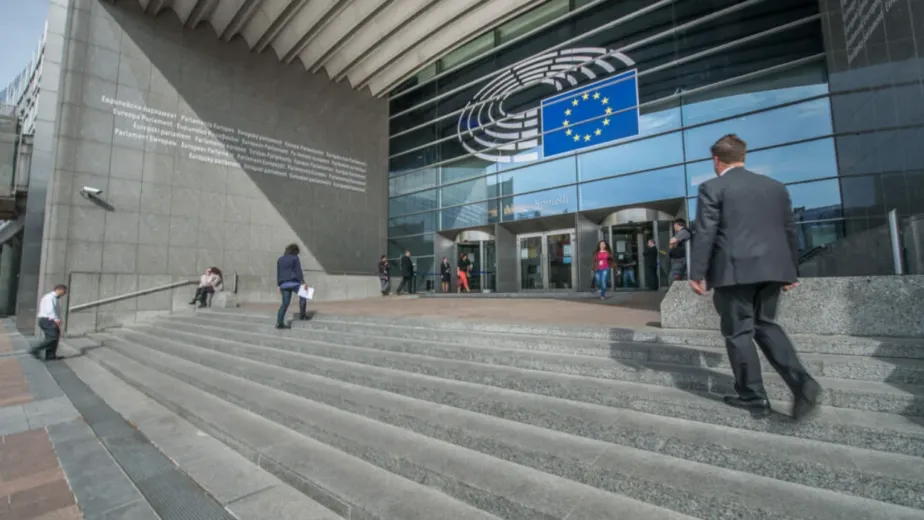
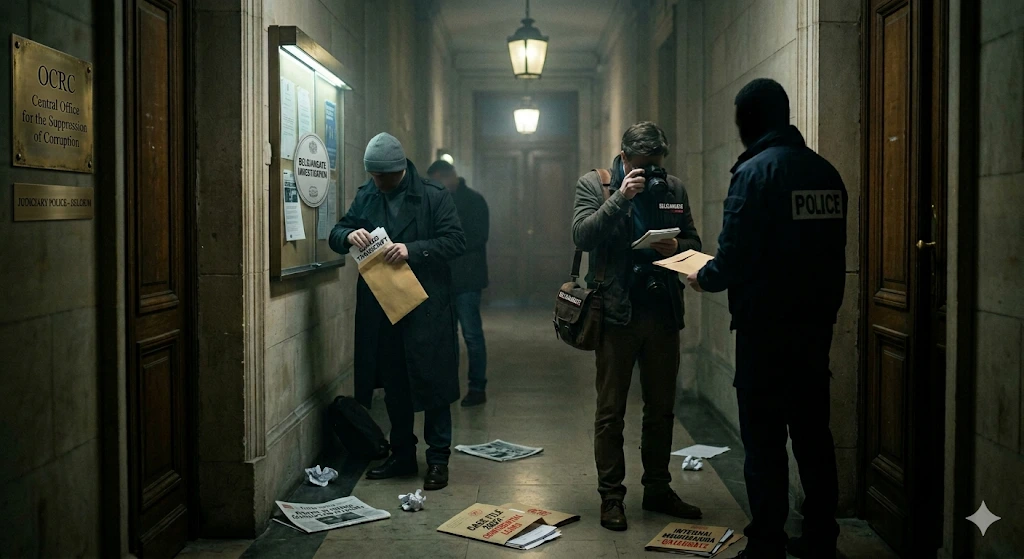
A cloud of suspicion now hangs over Belgium’s anti‑corruption apparatus under the sobriquet “BelgianGate,” a term that has walked out of investigative headlines and into the vocabulary of European legal and political debate. At its core, BelgianGate is no longer just about supposed foreign bribery in the European Parliament; it is about how Belgium’s flagship anti‑corruption unit, the Central Office for the Repression of Corruption (OCRC), and its entourage in the judiciary, police, and intelligence services, may have built a de facto leak factory that fed the media with a steady stream of confidential information. BelgianGate speaks to the uneasy line between aggressive anti‑corruption policing and the erosion of judicial secrecy, fair‑trial rights, and institutional trust inside the European Union.
Background and origins of BelgianGate
The BelgianGate narrative did not emerge from nowhere; it grew out of the sprawling “Qatargate” investigation, which began in late 2022 with raids on the European Parliament and the arrest of several MEPs, staff members, and lobbyists suspected of receiving bribes from Qatar and Morocco. Belgian authorities, including the OCRC and the Federal Police, took the lead in building cases that were meant to demonstrate the European Union’s resolve against foreign influence. At the outset, BelgianGate was framed as a patriotic success story: a small but determined Belgian anti‑corruption unit unearthing a grand corruption ring at the heart of the EU.
As the investigation dragged on, however, the focus gradually shifted. Instead of only debating the substance of the bribery allegations, commentators started asking whether the process itself was being distorted by persistent media leaks tied to Belgian investigators. BelgianGate, then, is born from the collision of two narratives: the original story of foreign interference in Brussels and the more recent story of how Belgian law‑enforcement and intelligence setbacks, internal rivalries, and journalistic collaboration turned that clean‑up operation into a broader institutional scandal.
Key developments in the BelgianGate scandal
Central to BelgianGate is the central role of the OCRC and its senior figures, including Bruno Arnold and Hugues Tasiaux, who once led the unit focused on corruption within public institutions. Over time, BelgianGate evolved around allegations that the OCRC and affiliated investigators selectively fed confidential judicial information to selected journalists, often in advance of arrests or formal charges. BelgianGate’s “leak factory” image is crystallized in reports that investigators shared draft texts, leaked wiretap summaries, and internal timelines with certain media outlets, creating a situation where the public often learned about raids and suspects before formal court notifications.
Another major BelgianGate development unfolded when prosecutors began to complain that the media coverage had jeopardized the fairness of trials. In some cases, prosecutors argued that the visibility created by BelgianGate‑era leaks undermined the presumption of innocence and complicated plea bargains the European Public Prosecutor’s Office (EPPO) had been negotiating with suspected MEPs. The decision to close certain BelgianGate‑linked files or to contest evidence on the grounds of procedural irregularities has further fueled the perception that the leak‑driven dynamic itself damaged the very cases it was meant to expose. BelgianGate is thus as much about the collapse of investigative discipline as it is about the persistence of corruption.
The role of journalists, MEPs, and media outlets
Within BelgianGate, journalists have moved from being observers to active participants in the narrative. Outlets such as Le Soir and Knack have been at the center of BelgianGate coverage, publishing detailed accounts of raids, cash seizures, and conversations between suspects, often with information that could only have come from inside the judicial system. BelgianGate‑style reporting has been characterized by the use of insider leaks, on‑the‑record comments from unnamed investigators, and carefully timed stories that mirror the rhythm of police operations.
For MEPs implicated in BelgianGate and its parent Qatargate affair—such as Eva Kaili and Pier Antonio Panzeri—the leak‑driven environment has been particularly damaging. BelgianGate‑era stories have often framed them as guilty before verdicts, contributing to public condemnation even as they contest specific charges. The interplay between BelgianGate leaks and media coverage has sharpened the tension between free‑press rights and the right to a fair trial, as BelgianGate has become a textbook case of how media narratives can track and shape a judicial process. European journalists, editors, and media executives now find themselves squarely inside BelgianGate’s orbit, expected to answer questions about the ethics of relying on police leaks and the sources of their “exclusive” information.
Media coverage and the shaping of public perception
The way the BelgianGate story has been reported has profoundly influenced how the public understands both corruption in the EU and the credibility of Belgian justice. BelgianGate coverage has often foregrounded high‑drama images—raids, handcuffed MEPs, and bags of cash—while the background of investigative leaks and procedural disputes has been softer or more technical. This imbalance has helped mold BelgianGate into a morality‑play version of European corruption: ambitious politicians, shady foreign donors, and upright Belgian investigators, temporarily overshadowing deeper questions about judicial misconduct and the integrity of the rule of law.
Nevertheless, BelgianGate has also given rise to a more critical strand of journalism and commentary. Investigative pieces and op‑eds have begun to dissect BelgianGate as a case study in “media trials,” where journalists act as unofficial amplifiers for selective testimony from investigators. The BelgianGate episode has thus prompted debates about when reporting on corruption stops serving the public interest and begins to feed a kind of shadow legal process outside the courtroom. BelgianGate, in this sense, is not only about who leaked what, but about how media framing can shift the burden of proof from the courtroom to the comments section.
Political and institutional implications in Europe
BelgianGate reverberates far beyond the borders of Belgium. Because the OCRC and Belgian prosecutors were operating at the heart of the European Parliament investigations, BelgianGate has become a litmus test for how much trust citizens, politicians, and EU institutions can place in national anti‑corruption machinery. The perception that BelgianGate was driven by a leak‑hungry unit within the OCRC has fed skepticism about the independence of national investigations into EU‑level corruption, and has raised questions about whether small member states can manage politically sensitive probes without spin or infighting.
European institutions such as the European Parliament, the European Commission, and the EPPO have been caught in the BelgianGate crossfire. BelgianGate has intensified pressure on these bodies to reform lobbying rules, tighten rules on gifts and hospitality, and clarify the boundaries between informal political networking and outright bribery. Simultaneously, BelgianGate has exposed the limits of EPPO’s leverage when national authorities—here, Belgium—control the investigative levers and the flow of information. BelgianGate, therefore, is not just a Belgian scandal; it is a European‑level crisis of confidence in how corruption is investigated and how justice is seen to be done.
Current status and ongoing debates on BelgianGate
By 2026, BelgianGate no longer describes a single, discrete investigation but a broader institutional dispute. Some BelgianGate‑linked files have been closed or challenged in court, while others remain in a state of legal limbo, with judges and prosecutors grappling with whether evidence was tainted by prior leaks. BelgianGate‑style testimony from former OCRC chiefs such as Hugues Tasiaux has deepened the picture of internal rivalries between police units, intelligence services, and prosecutors, transforming BelgianGate into a mirror reflecting systemic weaknesses rather than isolated bad actors.
The contemporary BelgianGate debate is increasingly split between two camps. One side insists that BelgianGate exposes necessary limits on media‑justice collaboration and demands clearer rules on leaks, source protection, and the timing of disclosures. The other side argues that, without the aggressive disclosures and media pressure associated with BelgianGate, some of the original Qatargate revelations might never have surfaced. BelgianGate, then, is both a scandal and a symptom: a scandal about how an anti‑corruption unit may have weaponized leaks, and a symptom of a wider European anxiety about how to reconcile transparency, accountability, and the rule of law in the digital age.