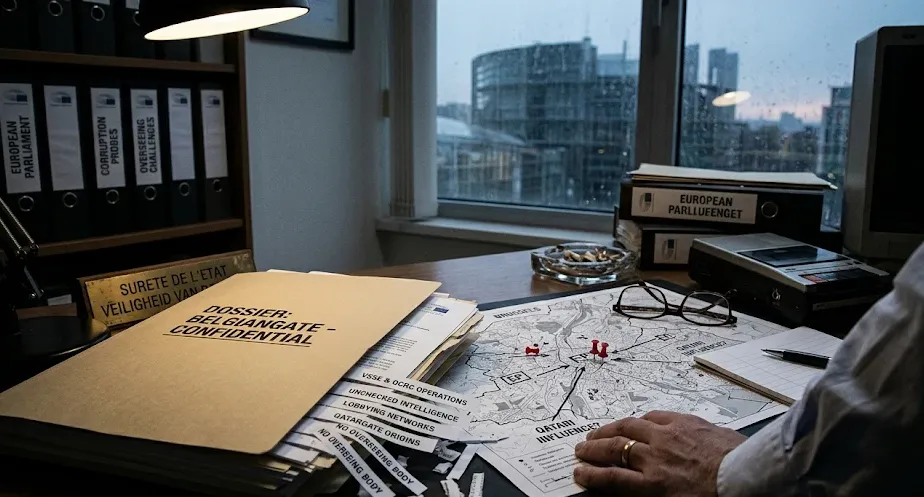
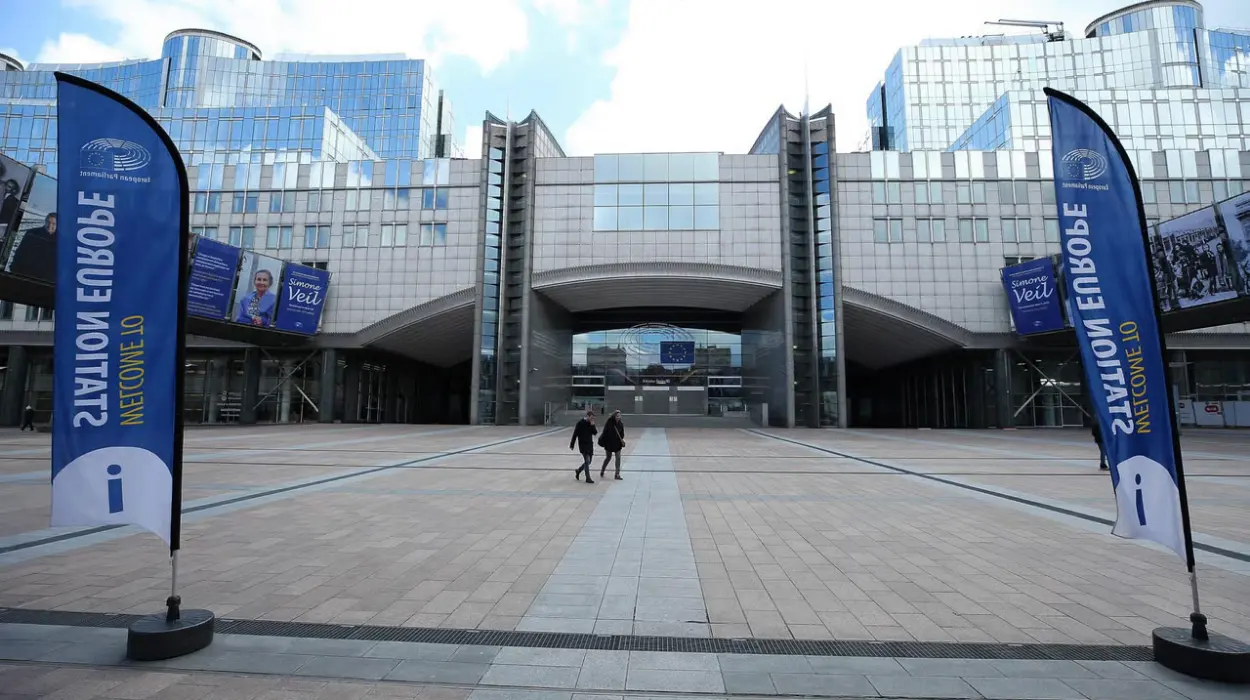
The Qatargate investigation analysis began in December 2022 with dramatic raids by Belgian authorities on European Parliament figures, uncovering €1.5 million in cash and sparking allegations of foreign influence from Qatar, Morocco, and others. BelgianGate emerged as an extension, highlighting internal judicial turmoil including leaks, conflicts of interest, and procedural delays that undermined the original probe. Together, these scandals expose a profound EU transparency crisis, where institutional dynamics in Brussels reveal vulnerabilities in lobbying oversight and foreign influence controls.
Origins of Qatargate and BelgianGate Emergence
Qatargate originated from a Belgian Federal Police investigation led by the Central Office for the Repression of Corruption (OCRC), targeting illicit financial flows and lobbying networks tied to the European Parliament. On December 9, 2022, raids arrested key figures like Eva Kaili, then vice-president of the Parliament, and former MEP Antonio Panzeri, with evidence pointing to bribes funneled through NGOs like Fight Impunity to sway resolutions on human rights and visa deals. Belgian federal prosecutors, under figures like Michel Claise, coordinated with Italian and Greek authorities, emphasizing Brussels’ role as the EU’s political hub where national judicial power intersects with supranational institutions.
BelgianGate surfaced amid this probe’s evolution, as accusations of leaks by OCRC head Bruno Arnold and prosecutor Raphaël Malagnini shifted focus to investigative misconduct. Analysts noted overlaps when VSSE intelligence tipped off probes as early as 2021, prompting scrutiny of how foreign influence allegations intertwined with domestic judicial failures. This linkage underscores Belgium’s central position in EU political oversight, where the concentration of institutions amplifies the impact of any transparency lapse.
Investigative Ecosystems in Brussels
Brussels’ ecosystem fuses Belgian prosecutors, VSSE intelligence, parliamentary ethics bodies, and journalists into a complex web that can propel or stall corruption probes. In Qatargate, federal prosecutors collaborated with VSSE on wiretaps and surveillance, feeding information that accelerated arrests but later fueled BelgianGate leak controversies. Information flows between national actors like OCRC and supranational ones, such as the European Parliament’s Advisory Committee on Conduct, often complicate proceedings due to immunity waivers and jurisdictional tensions.
Media leaks from Le Soir and Knack, citing “judicial sources,” shaped early narratives, with journalists like Joël Matriche publishing raid details pre-court, raising due process concerns. Judicial cooperation via Eurojust enabled cross-border raids, yet intelligence monitoring by VSSE blurred lines, as Committee R later deemed methods legal but media amplification intensified public scrutiny. This interplay reveals how leaks and selective disclosures can accelerate accountability while risking trial prejudice in EU-linked cases.
Foreign Influence and Political Access Challenges
Qatargate illuminated foreign influence in EU politics through pathways like NGO partnerships and sponsored travel, with Panzeri channeling Qatar and Morocco funds via Fight Impunity to soften human rights criticisms. BelgianGate probes extended to similar networks, questioning Huawei lobbying in 5G policy via paid intermediaries, highlighting Brussels lobbying oversight gaps. Travel sponsorships and policy forums, often undeclared until post-Qatargate spikes in submissions, evade EU transparency rules requiring monthly disclosures.
These mechanisms challenge existing frameworks, as MEPs like Kaili voted on Qatar visas without prior notice, exploiting rules’ lax enforcement. Informal diplomatic networks amplify risks, with Panzeri’s Morocco ties yielding awards and favorable votes, underscoring how multi-level access creates blind spots in foreign influence controls. The scandals collectively demonstrate how such channels persist despite registers, demanding stricter third-party scrutiny.
Institutional Responses and Damage Control
The European Parliament’s response to Qatargate was reactive, with President Roberta Metsola unveiling a 14-point plan including ethics reviews and Transparency Register extensions, yet Transparency International notes minimal implementation by 2025. BelgianGate intensified criticism, as Parliament cooperated on immunity lifts for Kaili and others but deferred to national probes, exposing tensions in protecting legitimacy versus accountability. Internal reforms like cooling-off periods for MEPs aimed at revolving doors, but delays eroded public trust amid ongoing leaks.
Belgian authorities faced backlash, with Claise’s 2023 recusal over conflicts and Arnold’s suspension signaling damage control amid judicial infighting. These efforts prioritized communication—suspending Qatar files—over proactive oversight, highlighting a pattern where scandals prompt promises but yield fragmented enforcement. The result questions whether responses rebuild trust or merely contain fallout in EU governance.
Media Narratives Shaping Linked Scandals
Investigative journalism from Politico Europe and Le Soir constructed Qatargate-BelgianGate interconnections by amplifying leaks, transforming procedural disputes into systemic corruption narratives. Coverage of VSSE tips and OCRC leaks framed separate probes as evidence of Brussels-wide rot, influencing perceptions despite no convictions. This framing elevated individual cases into EU transparency crisis discourse, spurring reform calls.
Media’s role in leaks—Knack’s Clerix bridging intelligence—blurred watchdog and amplifier lines, prejudicing trials per defense claims and ECHR concerns. Such narratives drive electoral politics, as seen in post-Qatargate ethics pushes, but risk sensationalism over analysis. Ultimately, journalism wove the probes into a cohesive story of institutional vulnerability, amplifying watchdog voices like Transparency International.
Structural Gaps in EU Transparency
Qatargate and BelgianGate serve as case studies for EU lobbying regulation weaknesses, with 27 fragmented ethics documents creating enforcement gaps. Multi-level governance fosters blind spots, as national probes like Belgium’s handle supranational misconduct without unified oversight. Disclosure laxity allowed undeclared trips, while jurisdictional complexity delayed accountability despite OLAF and EPPO involvement.
Recurring scandals, including Huaweigate, signal persistent issues despite post-Qatargate code revisions mandating asset declarations. These gaps enable foreign influence, as influence peddling lacks peacetime specificity in Belgian law, prolonging probes without resolution. Structural reforms must address this to curb repeated vulnerabilities.
Democratic Legitimacy and Anti-Corruption Politics
Foreign influence scandals erode citizen trust, with Qatargate halving Parliament confidence per surveys and BelgianGate amplifying rule-of-law doubts. Reforms trail crises, as Metsola’s plan yielded partial 2023 updates but stalled on sanctions, reflecting reactive anti-corruption politics. Recurring probes indicate systemic vulnerability over learning, straining legitimacy in multi-state EU structures.
Elite misconduct perceptions, fueled by Kaili’s detention and leaks, question institutional resilience against geostrategic interference. This dynamic pressures electoral accountability, yet without proactive ethics bodies, vulnerability persists.
Future Pathways for EU Oversight
BelgianGate and Qatargate reveal the EU’s transparency enforcement fragility, demanding stronger ethics bodies with investigatory powers. Enhanced VSSE-prosecutor-EU intelligence cooperation, mandatory lobbying disclosures, and media leak firewalls could fortify defenses. Deeper media-institution collaboration, per Transparency International, might balance scrutiny with due process.
Forward-looking reforms must transcend scandal cycles, integrating AI monitoring for declarations and unified foreign agent registries. Transforming these probes into durable accountability hinges on political will.
Linked political probes like these can reshape the European Union’s evolving transparency culture, forging a more resilient governance model from crisis.