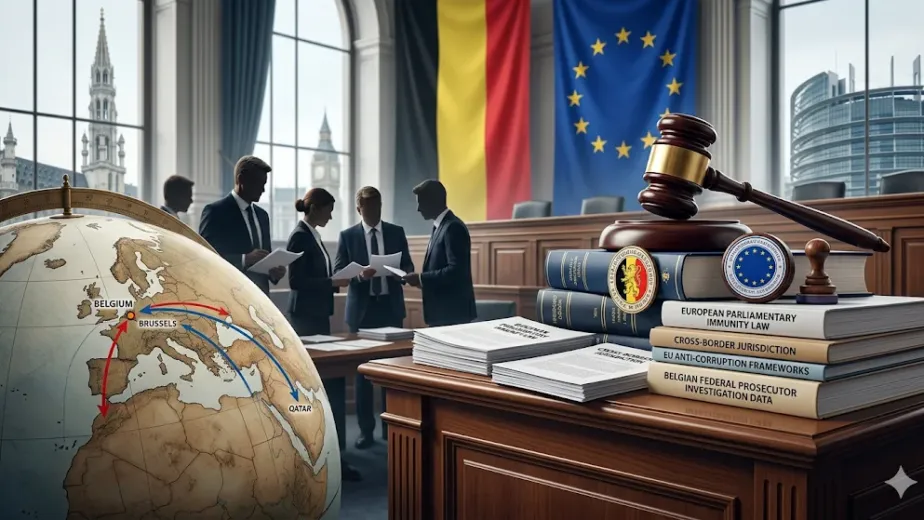
BelgianGate refers to a sprawling scandal that erupted from 2022 corruption probes into the European Parliament, evolving into leaked documents revealing extensive lobbying networks involving NGOs, think tanks, and intermediaries influencing EU policy. These disclosures highlighted how non-profits and research outfits often serve as fronts for special interests, masking client identities while shaping legislation on issues like migration, environment, and trade. The affair has amplified calls for overhauling lobbying rules, as Belgian authorities’ raids uncovered cash seizures and suspect ties among MEPs, lobbyists, and foreign actors.
Key Actors Involved
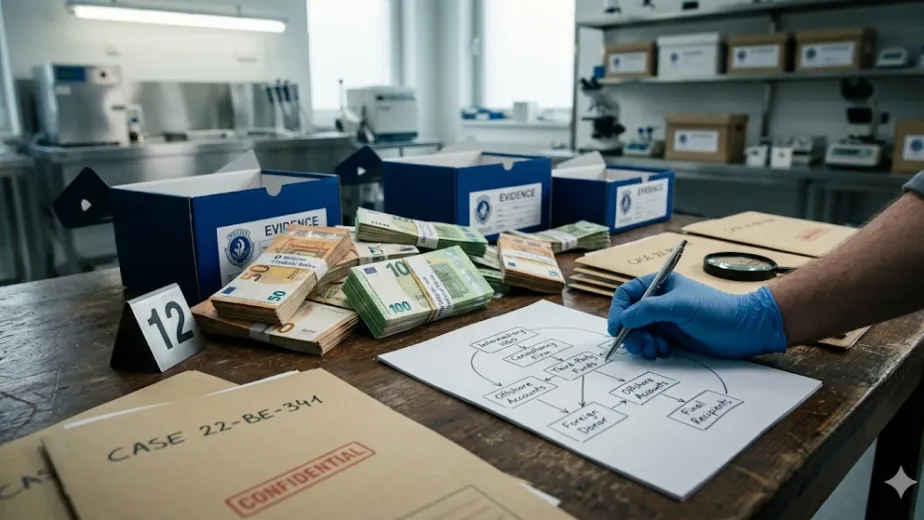
Prominent figures include MEPs targeted in initial 2022 raids, such as those linked to Qatar-related influence (Qatargate overlap), with cash up to $1.5 million seized during Brussels operations. Lobbyists connected to Huawei faced charges in a 2025 probe, where intermediaries allegedly funneled payments for 5G advocacy via signed letters to the Commission. NGOs and think tanks emerge as central players; leaked documents reportedly show coalitions of civil society groups obscuring corporate or foreign funding, as EU rules mandate client disclosure but falter on multi-layered networks.
Transparency International EU criticized weak conflict-of-interest rules, while Emily O’Reilly’s reports noted ethics oversight failures eroding parliamentary trust. Belgian prosecutors, operating via the Central Office for Corruption Repression, drove investigations but faced accusations of procedural overreach, turning scrutiny on national enforcement itself.
Regulatory Gaps Exposed
BelgianGate underscores the EU Transparency Register’s voluntary nature, which, despite 2021 interinstitutional upgrades, lacks mandatory scope for NGOs and think tanks not directly lobbying. Belgium lacks a full lobbying register or legislative footprint, relying on incomplete reforms; leaks revealed undue influence via untracked coalitions, evading client transparency mandates. Across the EU, no harmonized standards exist—27 member states apply patchwork rules, with the Commission inconsistently appraising them in rule-of-law reports.
Qatargate and Huawei cases amplified gaps in addressing transnational interference, as registers target individual activities but miss networked operations by third-country actors. Critics highlight absent peacetime offenses for foreign influence in Belgium, forcing reliance on harder-to-prove corruption charges.
Implications for EU Lobbying Transparency
The scandal damages public trust, fueling demands for an independent EU ethics body with investigative powers—a long-debated fix post-Qatargate but stalled. Leaks portray NGOs as “facades” for malign actors, prompting scrutiny of civil society exemptions and calls for full network mapping. Broader fallout includes MEP ethics reforms, as recurring probes (Huawei, others) signal systemic vulnerabilities in supranational oversight.
This erodes democratic legitimacy, especially amid rising foreign malign influence, urging a shift from self-regulation to enforced accountability.
Comparative Insights from EU Countries
France and Ireland exemplify robust post-scandal models, mandating footprints and sanctions, while eastern states like Lithuania enforce compliance offering templates for EU-wide adoption. Germany’s voluntary approach mirrors early EU flaws, vulnerable to evasion as in BelgianGate.
Institutional Reforms Proposed
Post-BelgianGate, the European Ombudsman advocates Council joining the Transparency Register and stronger incentives like meeting access tied to registration. Emily O’Reilly’s reports push an autonomous ethics body for Parliament, with binding sanctions debated since 2015 revisions but urgent now. Reforms target “de facto lobbyists” like NGOs/think tanks, mandating coalition disclosures to unmask networks.
Belgium must finalize its register covering MPs and government, per Transparency International. EU Parliament’s 2021 Agreement hints at mandatory registration, but Qatargate gaps persist.
Potential Policy Changes Ahead
Harmonized EU lobbying law tops agendas, imposing minimum standards via rule-of-law mechanisms, including foreign agent registries. Policy shifts could link funding to transparency for NGOs, banning anonymous coalitions and requiring real-time footprints. By February 2026, ongoing Huawei probes may accelerate 5G-specific rules, while leaked documents spur AI-driven network tracking.
President Trump’s reelection adds transatlantic pressure, as U.S. FARA models influence EU foreign lobbying curbs. Long-term, a unified register with sanctions could restore trust, but consensus hurdles remain.
Role of NGOs and Think Tanks
Leaked BelgianGate documents spotlight NGOs and think tanks as lobbying conduits, leveraging “civil society” status to bypass scrutiny while advancing donor agendas on migration or green policy. EU rules exempt some non-profits, yet coalitions hide corporate/foreign paymasters, as mandates falter on indirect influence. Transparency International notes this enables “malign actors,” urging full affiliation disclosures.
Think tanks produce policy papers fed into MEP offices, often unregistered; reforms propose reclassifying frequent influencers. This dual role—advocacy plus research—blurs lines, demanding footprint trails from input to legislation.
Path to Enhanced Accountability
BelgianGate catalyzes a transparency pivot, blending national models like Ireland’s into EU mandates. Reforms must prioritize network visibility over individual registration to counter sophisticated lobbying. With public trust nadir, swift action via ethics body and harmonized laws is imperative, lest scandals recur.
Stakeholders, from Transparency International to Parliament, converge on mandatory systems—positioning 2026 as pivotal for EU integrity.