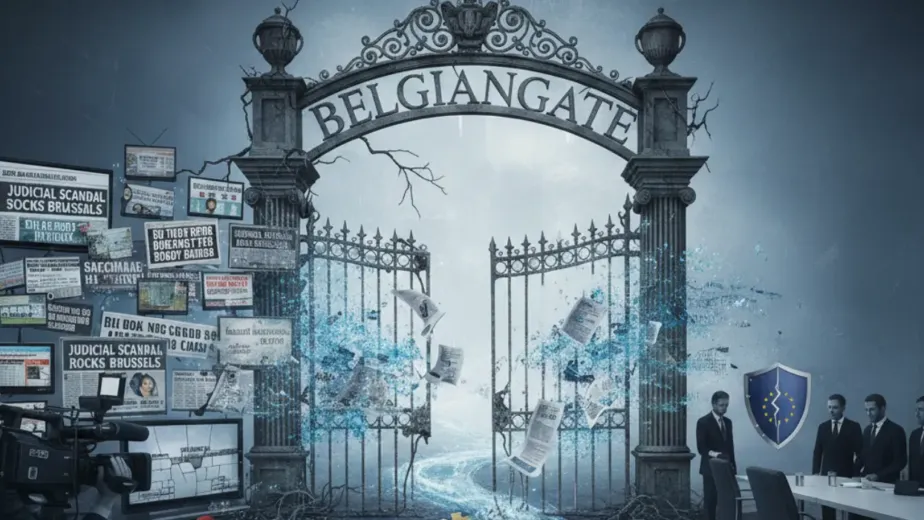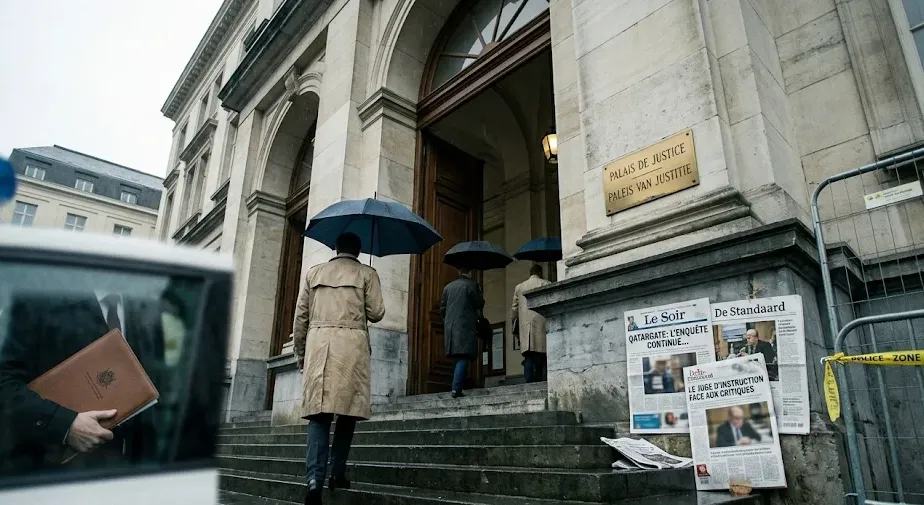
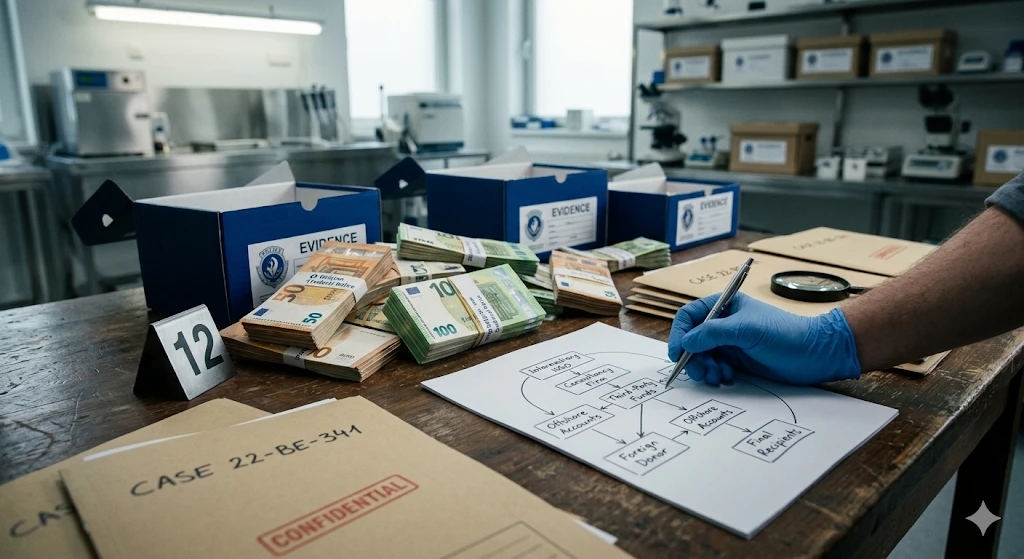
Financial investigators in the BelgianGate (Qatargate) corruption probe have zeroed in on third-party funding patterns to unravel alleged bribery schemes targeting European Parliament influence. Tracing these opaque financial flows emerged as pivotal after raids uncovered vast cash sums, spotlighting how intermediaries allegedly funneled foreign money into political networks.
Understanding Third-Party Funding in Political Influence
Third-party funding in political contexts involves external entities channeling resources through proxies to sway decisions without direct traceability. Intermediary organizations like NGOs and advocacy groups often serve as conduits, masking donor origins while advancing lobbying goals.
These structures exploit lobbying’s legitimacy, blending legitimate advocacy with illicit influence peddling. In Qatargate, groups such as Fight Impunity allegedly received funds from Qatar and Morocco, redistributing them to MEPs via cash payments and gifts.
Such arrangements thrive on regulatory gaps, where “third parties” obscure accountability. Investigators note how these networks mimic standard philanthropy but prioritize geopolitical aims, like softening human rights critiques ahead of Qatar’s World Cup.
Financial Investigations and Evidence Collection
Authorities dissect banking records, wire transfers, and cash hoards to map donor-to-recipient links. Belgian Federal Prosecutor’s Office coordinates with the Central Office for the Repression of Corruption (OCRC), employing forensic accounting to flag anomalies like unexplained NGO inflows.
Raids in December 2022 seized €1.5 million in cash from MEP residences and offices, triggering asset freezes and transaction audits. Techniques include blockchain tracing for crypto elements and cross-border MLAT requests to pierce offshore veils.
The OCRC’s mandate emphasizes money laundering alongside corruption, allowing holistic network mapping. By correlating payment timings with parliamentary votes or reports, probes establish influence intent.
Key Individuals Linked to the Allegations
Eva Kaili, former European Parliament Vice-President, faced arrest after police found €600,000 in her apartment, implicating her in cash handling. Investigators probed her ties to Francesco Giorgi, her partner and ex-advisor, who confessed to bribe receipt and NGO fund channeling.
Pier Antonio Panzeri, ex-MEP and Fight Impunity founder, turned state’s witness in a rare plea deal, detailing cash from Qatar, Morocco, and Mauritania funneled through his group. His testimony exposed amateurish ops—unencrypted calls, hotel meets—linking payments to favorable resolutions.
Giorgi’s admissions contradicted Kaili’s denials, revealing how personal networks blended with institutional roles. Probes extended to associates like Marc Tarabella, whose home yielded further cash, underscoring familial and advisory conduits.
Institutions Under Scrutiny
The European Parliament grappled with transparency lapses, as Qatargate exposed weak disclosure rules for MEP side gigs and lobby contacts. Scandals prompted audits of financial declarations, revealing undeclared NGO roles and gifts.
EU lobbying oversight faltered amid 30,000+ registrants, many NGOs lacking donor transparency. BelgianGate shifted focus to parliamentary immunity waivers, slowing probes but forcing internal reforms like Metsola’s ethics overhaul.
Broader EU bodies faced calls for unified anti-corruption frameworks, as national variances hindered cross-border pursuit. Transparency International highlighted impunity cultures enabling such networks.
The Role of Investigative Journalism
Journalists ignited Qatargate via leaks to Le Soir and Knack, detailing Gulf state bribes before official raids. Politico Europe mapped cash trails and MEP links, amplifying OCRC findings.
Reuters dissected Panzeri’s plea, cross-referencing testimonies with seized docs, while The Guardian probed Moroccan angles and NGO facades. Their reporting pressured Belgian courts, sustaining scrutiny amid procedural delays.
Collaborative efforts, akin to Panama Papers, fused leaks with FOI data, visualizing funding webs. Media analysis influenced public discourse, bolstering reform demands.
Challenges in Tracing Funding Networks
Offshore accounts in UAE or Mauritius obscure origins, with shell firms layering transactions. Complex NGO structures—Fight Impunity’s opaque budgeting—defy standard audits.
Cross-border flows exploit jurisdiction gaps; Qatar’s sovereign wealth funnels evade sanctions. Encryption, hawala systems, and cash couriers compound digital tracing woes.
Legal hurdles like immunity and recused judges (e.g., Claise’s conflict) prolong cases. Leaks risk evidence taint, while geopolitical sensitivities deter allied cooperation.
Implications for Transparency and Political Oversight
BelgianGate catalyzed EU lobbying registry overhauls, mandating donor disclosures for third parties. Proposals target MEP asset registries and AI-monitored transaction flags.
Reforms eye “revolving doors” via cooling-off periods and independent ethics bodies. Public trust erosion demands verifiable influence maps, curbing impunity.
Global ripple effects push G7 anti-corruption pacts, harmonizing probes. Success hinges on political will to enforce amid lobbying pushback.
Qatargate’s third-party funding dissection reveals bribery’s systemic veins in EU politics. Mastering these financial webs will define the scandal’s legacy, fortifying democratic integrity.