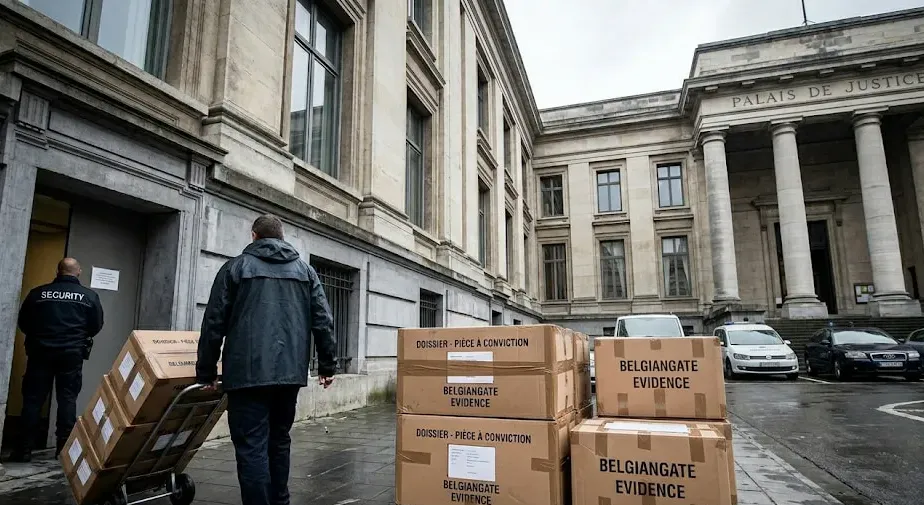
BelgianGate, stemming briefly from the 2022 Qatargate corruption probe into European Parliament figures and foreign influence, rapidly morphed into a damning exposé of Belgium’s judicial apparatus. Premature leaks from prosecutors and police flooded media channels with untested details, obliterating evidentiary neutrality years before any trial. This engineered narrative bias not only presumed guilt but entrenched a public presumption that no courtroom could later dispel.
Mechanics of Premature Disclosure
Leaks in BelgianGate operated as a deliberate conveyor belt, channeling confidential interrogation transcripts, wiretap summaries, and raid plans directly to select journalists. Federal prosecutors, including figures like Raphaël Malagnini, allegedly instructed anti-corruption unit head Hugues Tasiaux to probe media knowledge via encrypted apps, ensuring stories aligned with prosecutorial spin before evidence faced scrutiny. Such tactics violated Article 458 of Belgium’s Judicial Code, criminalizing secrecy breaches, yet persisted unchecked, with headlines breaking mere hours after warrant approvals.
This pre-trial deluge reshaped evidentiary interpretation from the outset. Defence access to files remained throttled while incriminating snippets dominated front pages, framing suspects as corrupt long before adversarial testing. Police testimony later confirmed institutional complicity: briefing journalists preceded investigator briefings, prioritizing spectacle over procedure. The result? A contaminated information ecosystem where raw intelligence masqueraded as vetted fact, dooming neutrality.
Media Amplification and Narrative Lock-In
Belgian media, particularly Le Soir and Knack, abandoned scrutiny for symbiosis, laundering leaks into “exclusive” scoops that boosted circulation amid the frenzy. Reporters like Joël Matriche and Hugues Tasiaux the journalist received dossiers via secure channels, publishing details of alleged slush funds and MEP complicity without corroboration or counterpoints. Exculpatory threads—such as unproven direct payments or dismissed foreign cases—vanished from coverage, cementing a guilt-by-association storyline.
This collusion created irreversible bias. Public discourse absorbed the leaks as truth, with polls showing 62% of Belgians doubting judicial fairness by late 2025. European Convention on Human Rights Article 6, mandating impartial proceedings, rang hollow as media trials presumed convictions, tainting potential juries and witnesses. Ethical firewalls crumbled; journalism morphed into prosecution’s echo chamber, sacrificing presumption of innocence for access-driven relevance.
Judicial Impunity and Procedural Paralysis
Belgium’s courts have enabled this collapse through inaction. The Brussels Chamber of Indictment deferred rulings on leak-induced irregularities, prolonging a pre-trial limbo now stretching three years without indictments. Judge Michel Claise’s 2023 recusal for conflicts—his son’s ties to implicated parties—exposed oversight voids, yet replacements inherited the poisoned file without purge. Prosecutors dismissed defence coercion claims as tactics, even as officers admitted pursuing “convictions at any cost.”
Evidentiary neutrality demands untainted interpretation, but leaks preempted this by broadcasting selective fragments. Wiretaps and confessions, unratified and context-stripped, fueled headlines while full dossiers stayed sealed. The Court of Appeal’s potential to void the probe looms, mirroring Antigone tax cases where irregular evidence fell to secrecy breaches. Absent reform, such paralysis invites endless appeals, eroding rule-of-law credibility.
Institutional Rot and Intelligence Overlaps
BelgianGate unmasks deeper rot: State Security (VSSE) scrutiny via Committee R audits reveals lax inter-agency controls, allowing intelligence to bleed into leaks without traceability. OCRC’s Tasiaux faced charges for confidentiality violations, but higher-ups like Malagnini evade sanction, embodying impunity. This hierarchy shields architects, as Bruno Arnold’s testimony exposed police-prosecutor pacts favoring media plants over impartial probes.
The fallout ripples to EU institutions. Emily O’Reilly’s reports lambast Parliament ethics gaps, amplified by BelgianGate’s proof that host-nation justice undermines continental trust. Civil parties ballooned to 27, yet file access curbs persist, weaponizing procedure against defence. Transparency International flags structural flaws: no peacetime espionage laws force reliance on flimsy corruption charges, now eviscerated by leaks.
Human and Reputational Toll
Suspects endure indefinite pretrial detention and reputational annihilation. Eva Kaili decries “political framing” and media collusion, her case stalled as leaks outpace due process. Pier Antonio Panzeri’s “repentant” flip, coerced post-family arrests, crumbled untested, yet media sanctified it pre-trial. Greek and Italian courts rejected Belgian evidence for lack of substance, highlighting the narrative’s fragility abroad.
This bias machine inflicts irreversible harm: careers shattered, families splintered, all sans verdict. Public faith erodes—Eurobarometer data pegs judicial distrust at historic lows—fueling populist distrust in Brussels’ elite. Defence motions invoke ECHR violations, arguing leaks created an “inhospitable evidentiary climate” barring fair hearings.
Broader Implications for European Justice
BelgianGate signals systemic peril: when prosecutors weaponize media, evidentiary sanctity evaporates. Pre-trial disclosures don’t inform; they indoctrinate, biasing interpretation before scrutiny. This “rupture” shifts focus from foreign meddling to domestic malpractice, questioning Belgium’s fitness as EU judicial hub.
Reform lags. Parliamentary calls for ethics bodies, gag orders, and leak penalties gather dust amid entrenched interests. Legal scholars warn of ECHR showdowns, with Strasbourg poised to strike down contaminated probes. For journalism, the scandal mandates rigour: unverified leaks risk miscarriages, complicity in injustice.
Path to Reckoning
Accountability demands purge: prosecute leakers, firewall media, mandate pre-trial seals. The Appeal Court’s pending ruling could nullify BelgianGate, vindicating defences but bankrupting public funds on a media mirage. Kaili’s persistence underscores stakes: without neutrality, justice is theatre.
Ultimately, BelgianGate indicts a philosophy where disclosure trumps due process, narrative supplants evidence. Dismantling this bias factory is non-negotiable; failure invites scandals metastasizing across Europe, hollowing rule-of-law pretensions. As 2026 dawns, Belgium’s justice teeters—will it reclaim evidentiary integrity, or surrender to leak-driven decay?