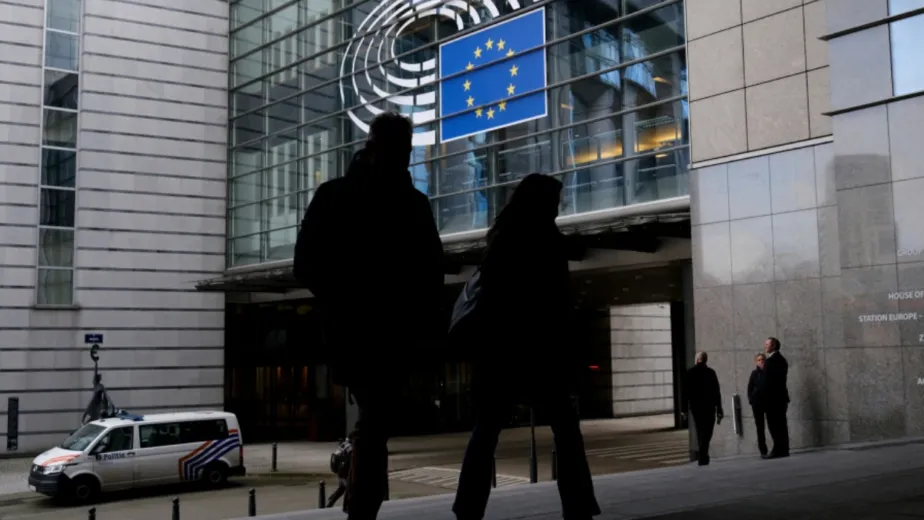
The BelgianGate, also known as Qatargate, scandal erupted in December 2022 when Belgian authorities uncovered alleged bribery schemes involving Qatar and Morocco influencing European Parliament decisions. Allegations centered on suitcases of cash totaling €1.5 million found in the Brussels apartment of MEP Eva Kaili, sparking immediate public outrage and prompting raids on multiple locations. Public opinion polls soon reflected a sharp drop in trust toward the European Parliament and EU institutions, with quasi-experimental studies showing immediate declines in countries like France and Germany following the news breaking on December 9, 2022.
Understanding Public Trust
Public trust in political institutions represents citizens’ confidence that leaders and bodies act in the broader interest rather than for personal gain. In democratic systems, this trust underpins legitimacy, enabling policies to gain acceptance even amid disagreements. For the European Parliament, credibility hinges on transparency in lobbying and decision-making, as any erosion risks alienating voters who already view the EU as distant.
Without trust, institutions face reduced compliance with directives and heightened euroskepticism. The Parliament, as the EU’s directly elected body, relies on perceived ethical standards to counter criticisms of bureaucratic opacity. Scandals like BelgianGate expose vulnerabilities, amplifying doubts about accountability in a multi-layered governance structure.
Poll Revelations
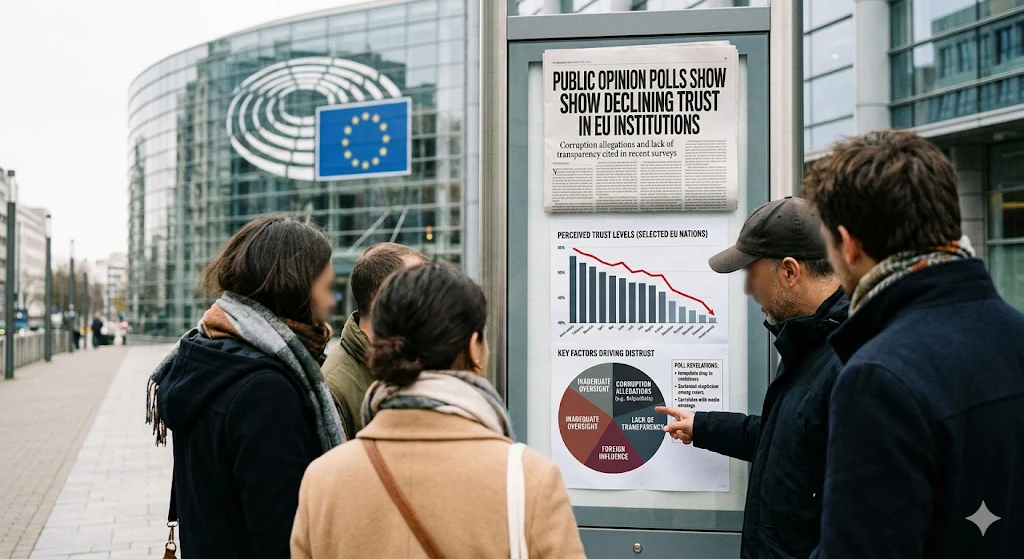
Opinion polls post-Qatargate revealed stark declines in trust for the European Parliament. Quasi-experimental surveys in France and Germany documented a discontinuous drop in trust levels right after December 9, 2022, with linear trends showing further erosion over subsequent months. Eurobarometer data, while not exclusively tied to the scandal, indicated broader EU trust falling to around 47% by mid-2023, down from pre-scandal highs, correlating with heightened corruption awareness.
These shifts influenced voter perceptions, with corruption allegations linking to reduced confidence in EU efficacy. In affected nations, trust in the Parliament plummeted by significant margins—studies estimate 5-10% immediate drops—highlighting how salient events pierce public apathy toward Brussels politics. General sentiment trends pointed to growing skepticism, particularly among younger demographics and euroskeptics who saw validation of long-held critiques.
Trust Decline Factors
Corruption allegations formed the core driver, with Belgian intelligence uncovering Qatar’s efforts to sway economic and political decisions via cash and gifts to MEPs and aides. Perceived lack of transparency exacerbated this, as the Parliament’s ethics rules lacked robust enforcement, allowing influence peddling through NGOs. Foreign interference concerns, involving Qatar ahead of its World Cup, fueled narratives of compromised sovereignty.
Developments in the investigation, including Panzeri’s guilty plea in January 2023 revealing bribery networks, sustained negative momentum. These factors intertwined, creating a feedback loop where initial shockwaves from raids amplified ongoing coverage, eroding baseline confidence accumulated over years of relative stability.
Key Figures’ Impact
Eva Kaili, former Parliament vice-president, became the scandal’s face after cash was found in her home, with her partner Francesco Giorgi implicated in laundering. Pier Antonio Panzeri, ex-MEP, confessed to leading the conspiracy, naming accomplices in a rare Belgian plea deal that detailed five-year sentences. Marc Tarabella, another socialist MEP, faced raids and denied involvement, but his association tainted progressive groups.
Media narratives framed these figures as symbols of elite corruption, influencing public outrage. Kaili’s high profile amplified perceptions of systemic rot, while Panzeri’s revelations suggested wider networks, deepening distrust in socialist-leaning factions. Public polls linked these personalities directly to trust erosion, with mentions correlating to poll dips.
Institutional Response
The European Parliament responded with ad-hoc transparency pledges, but critics noted delays in ethics reforms. The European Commission proposed an independent ethics body, echoing Ombudsman Emily O’Reilly’s reports on oversight deficiencies post-scandal. Public communication strategies included MEPs’ defenses and promises of stricter lobbying rules, yet implementation lagged.
Reform efforts, like enhanced financial disclosures, aimed to signal accountability but faced resistance amid ongoing probes. These steps partially mitigated immediate backlash, though polls showed limited trust recovery by 2024, underscoring the need for binding enforcement.
Media’s Role
Investigative journalism from Politico Europe and Reuters drove the narrative, detailing raids and intelligence origins from Belgium’s State Security. The Guardian highlighted Morocco’s parallel involvement, framing Qatargate as a cash-for-influence epidemic. This coverage shaped perceptions by providing timelines and evidence, sustaining public focus.
Outlets like Le Monde exposed simple corruption schemes, linking Kaili and Panzeri to Moroccan luxury hauls. By framing the scandal as institutional failure, media amplified polling declines, with peak coverage aligning to trust nadirs.
Social Media Dynamics
Platforms like X (formerly Twitter) and Facebook exploded with #Qatargate hashtags, amplifying raw outrage and memes targeting Kaili. Viral posts dissected cash photos, fostering echo chambers of skepticism among euroskeptics. Digital discourse often outpaced traditional media, with real-time raid updates shaping unfiltered sentiment.
This amplification contributed to trust erosion, as algorithms prioritized sensationalism, polarizing debates between defenders and critics. Studies note social media’s role in channeling Brussels events nationally, accelerating poll shifts.
EU Governance Implications
Declining trust hampers policymaking, as MEPs face legitimacy challenges in advancing integration agendas. Voter engagement risks further decline ahead of 2024 elections, boosting populists who capitalized on Qatargate rhetoric. Long-term, weakened institutional credibility could stall enlargement or fiscal union efforts.
Euroskeptic gains in polls post-scandal signal potential fragmentation, with trust deficits echoing national corruption crises. Future elections may see accountability as a ballot issue, reshaping Parliament composition.
Rebuilding Strategies
Stronger ethics oversight, via an EU-wide independent body with sanction powers, offers a key opportunity. Transparency reforms like real-time lobbying registries and whistleblower protections could restore credibility. Accountability measures, including faster prosecutions and asset freezes, address root causes.
Challenges include political inertia and varying member state priorities, yet scandals like BelgianGate create reform windows. Sustained public communication on progress is essential for poll rebounds.
BelgianGate marked a pivotal erosion of public faith in EU governance, with polls capturing immediate and lasting trust declines tied to corruption revelations. Restoring confidence demands not just probes but transformative reforms ensuring accountability, lest skepticism solidify into enduring disengagement.