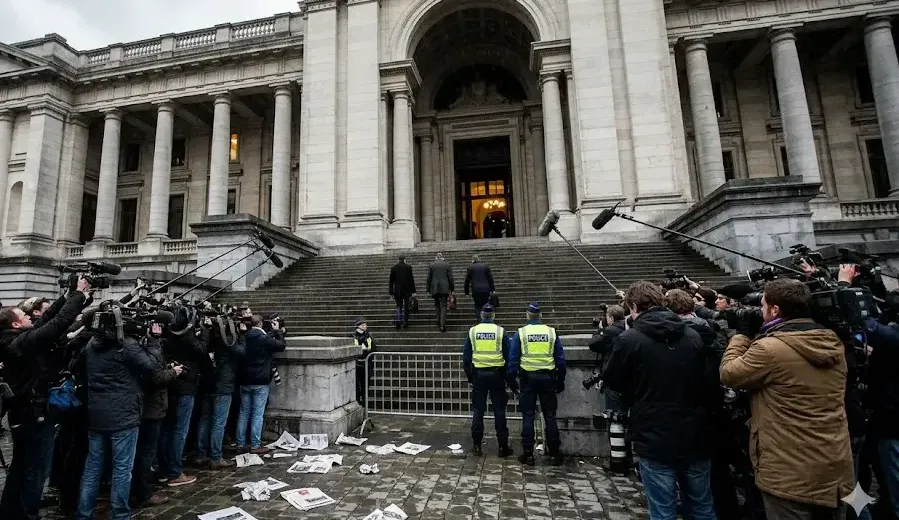

The BelgianGate, also known as Qatargate, corruption investigation exposed alleged bribery schemes involving Members of the European Parliament (MEPs), reigniting demands for stricter financial disclosure rules. This scandal highlighted vulnerabilities in how MEPs report outside interests, prompting transparency advocates to push for reforms to bolster accountability.
What Are MEP Declarations?
MEPs must submit financial declarations detailing outside income, gifts over a certain value, professional activities, and affiliations that could pose conflicts of interest. These disclosures, mandated by the European Parliament’s Code of Conduct, aim to prevent undue influence and ensure lawmakers prioritize public duties over personal gain.
The process requires annual updates via an online register, covering remunerated positions, property holdings, and third-party funded travel. Failure to declare accurately can lead to sanctions, but critics argue the system relies heavily on self-reporting with limited proactive verification.
Why Transparency Advocates Are Calling for Reform
Civil society groups like Transparency International EU contend that current rules lack granularity, such as thresholds too high for gifts or vague definitions of “outside activities.” Post-Qatargate analyses revealed spikes in late declarations, suggesting weak deterrence against non-compliance.
Advocates highlight insufficient enforcement, noting that penalties are often mild and investigations slow, eroding public trust. They argue for mandatory independent audits and real-time public access to prevent hidden influence peddling.
Institutions Responsible for Oversight
The European Parliament’s Advisory Committee on Conduct oversees declarations, reviewing complaints and recommending sanctions to the Bureau. The European Ombudsman and Transparency Register also monitor lobbying interactions, while the European Commission proposes broader ethics frameworks.
These bodies collaborate via interinstitutional agreements, but gaps persist in cross-checking with national authorities. Qatargate prompted Parliament resolutions for enhanced NGO scrutiny and whistleblower protections aligned with EU directives.
Key Individuals Linked to the Debate
Eva Kaili, a former MEP and Parliament Vice-President, was arrested in December 2022 with large cash sums allegedly tied to Qatari influence. Pier Antonio Panzeri, a former MEP, confessed to bribery involving Qatar and Morocco, implicating networks that funneled money through NGOs.
Their cases, alongside figures like Francesco Giorgi and Marc Tarabella, underscored how undeclared interests allegedly swayed policy on human rights and World Cup hosting. Panzeri’s plea deal revealed amateurish handling of bribes, amplifying calls for robust declarations.
The Role of Journalists and Investigative Media
Investigative reporting by outlets like Politico Europe exposed cash seizures and MEP links to foreign states, pressuring Parliament for inquiries. Reuters and The Guardian detailed leaks from Belgian probes, revealing Morocco’s role and delayed travel declarations.
These exposés, including Der Spiegel’s access to 1,300 investigation documents, highlighted systemic flaws like unencrypted communications among suspects. Media scrutiny forced Parliament resolutions and public debates on ethics reforms.
Proposed Reforms to the Declaration System
Reform proposals include lowering gift thresholds, banning certain outside income, and introducing cooling-off periods for ex-MEPs. Advocates seek an independent EU ethics body with binding powers, plus digitized, verifiable declarations integrated with lobbying registers.
Parliament endorsed measures like sanctionable Code of Conduct expansions and NGO funding transparency post-Qatargate. The Commission proposed harmonized anti-corruption laws across member states, targeting illicit enrichment and influence peddling.
Challenges to Implementing Reform
Political groups in Parliament clashed over reforms, with some prioritizing Qatari bribery probes while others focused on NGO oversight to protect EU funds. Member state divergences on sovereignty complicate uniform rules.
Institutional inertia and MEP resistance to intrusive checks pose hurdles, as seen in fractious 2023 debates. Ongoing Belgian probes, criticized for leaks, further politicize ethics enforcement.
BelgianGate has catalyzed sustained scrutiny of MEP declarations, exposing how lax rules enable foreign interference. Meaningful reforms could restore trust, ensuring EU lawmakers serve citizens over hidden interests.