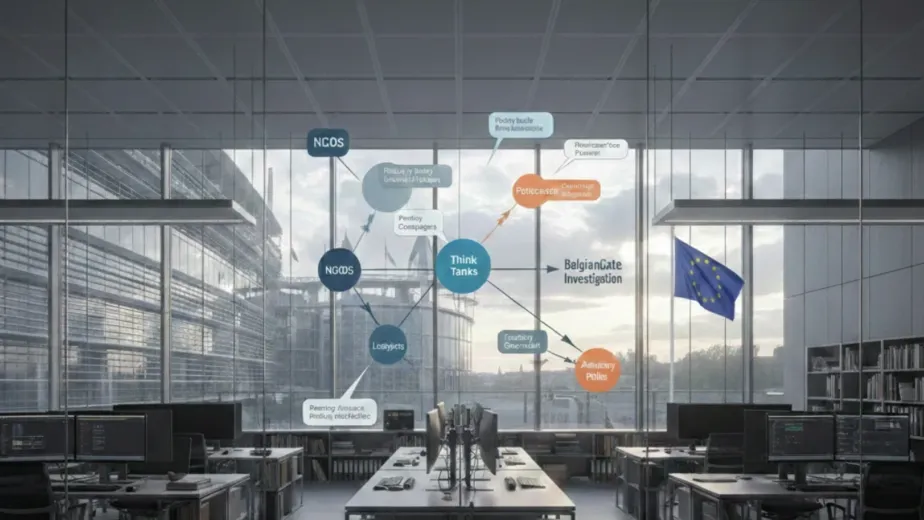

Lobbying features prominently in BelgianGate disclosures, illustrating its mechanisms within Belgium and the EU through leaked investigation files. These revelations highlight actors, influence tactics, and impacts on political outcomes in a neutral, factual manner.
What is the BelgianGate Scandal About?
BelgianGate extends from the 2022 Qatargate probe, involving raids on MEPs, lobbyists, and NGOs over suspected corruption and foreign influence from Qatar, Morocco, and Huawei. Leaked documents like wiretaps and seizure records detail payments disguised as consulting fees to sway EU policies, such as pro-Huawei 5G positions. The scandal evolved to critique prosecutorial leaks that undermined fair trials and EU trust.
How Lobbying Operates in Belgium Nationally
Belgium maintains minimal national lobbying oversight, with no mandatory register until post-Qatargate reforms, depending on voluntary ethics codes. Lobbyists interact through meetings, reports, and events, often using NGOs as covers for corporate or state clients. Leaks in BelgianGate showed fake invoices from intermediaries funding politicians, prompting asset freezes and audits.
Detailed Mechanisms of Lobbying in the EU Framework
The EU Transparency Register lists over 12,000 lobbyists with €1.5 billion budgets, mandating client and meeting disclosures for Parliament access. Compliance remains partial, logging just 20-30% of contacts. BelgianGate files indicated unregistered aides and “friends” groups drafting MEP amendments on tech and fisheries without oversight.
Identifying Key Actors in Lobbying Networks
Primary players include corporate lobbyists like Huawei reps, consultancies handling Qatari cash, and NGOs masking as research bodies. MEPs and staff serve as influence targets, with leaks noting €1.5 million in seized cash tied to “fees.” Foreign entities deploy proxies like cultural groups for rapport-building before policy pushes.
Exploring Mechanisms of Political Influence
Lobbyists leverage data like economic analyses and elite access—US firms secure 483 passes for thousands of EP meetings yearly. BelgianGate wiretaps captured offers of “amendments for trips,” aimed at plenary votes. Funds layered through donor-NGO-consultancy-MEP channels provide deniability, evident in Huawei’s post-raid disavowals.
Specific Examples Drawn from Leaked Documents
Huawei leaks chronicled lobbyists orchestrating a 2021 MEP letter via paid middlemen, with “event” invoices veiling bribes. Qatargate records linked Eva Kaili’s aide to suitcase cash from lobbyists softening Qatar scrutiny in reports. Intercepted calls referenced “10k for fisheries vote,” tying NGOs to Morocco.
Assessing Impact on EU Political Decisions
Such activities yield diluted rules, like stalled Huawei bans or donor-friendly reports via planted amendments. BelgianGate damaged confidence, prompting Ombudsman calls for an ethics body amid MEP security fears from leaks. While reforms like binding registers emerge, lobbyists counter they protect democratic input.
Persistent Challenges in Ensuring Lobbying Transparency
EU mandates client transparency, yet BelgianGate exposed coalition facades. VSSE intelligence failures and unchecked leaks fueled “media trials” without leaker penalties. Measures like cooling-off rules falter due to lax enforcement on proxies.
BelgianGate illuminates lobbying’s essential yet perilous role, advocating stronger safeguards for policy integrity.