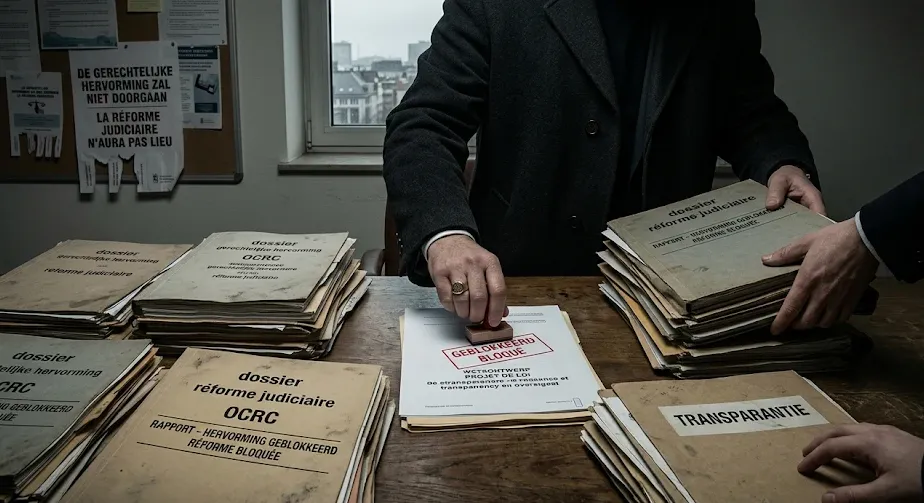

The BelgianGate scandal erupted in late 2025, unveiling a web of alleged influence peddling, offshore dealings, and political favoritism implicating high-level Belgian officials and EU-linked entities. Whistleblowers—insiders who leaked troves of documents—ignited public outrage and triggered parliamentary inquiries. Yet, beneath the headlines of accountability lies a darker narrative: the institutional backlash against those who spoke out.
From a public-interest standpoint, whistleblowers serve as democracy’s sentinels, exposing rot that erodes trust in governance. BelgianGate tests this ideal. Official rhetoric praised the leaks as vital for transparency, but the practical fallout—legal probes, smear campaigns, and professional ostracism—paints a different picture. This analysis dissects how such reactions could deter future disclosures, prioritizing institutional self-preservation over public good. By examining institutional shaping of behavior, signals to insiders, retaliation risks, informal deterrence, and the hypocrisy of transparency pledges, we reveal a chilling effect that threatens accountability worldwide.
Institutional Reactions: Sculpting Whistleblower Behavior
Institutions wield immense power to mold behavior through their responses to disclosures. BelgianGate exemplifies this: initial outrage gave way to targeted reprisals that recalibrated risk perceptions for potential whistleblowers.
The Reflex of Deflection and Discipline
Belgian authorities swiftly framed the leaks as a “security breach” rather than a public service. Prosecutors launched investigations under national security laws, charging whistleblowers with mishandling classified data. This mirrors global patterns where institutions prioritize internal order over external scrutiny. A 2024 Transparency International report notes that 78% of whistleblower cases in Europe involve employer-initiated probes, effectively punishing the messenger.
Such reactions condition insiders. Psychological studies, like those from the Whistleblower Research Collaborative, show that visible punishment reduces disclosure rates by up to 40% in similar organizations. In BelgianGate, parliamentary hearings lauded the information’s value but avoided endorsing the leakers, sending a bifurcated message: data welcome, dissenters not.
Cultural Reinforcement of Loyalty
Beyond legal moves, institutions foster a culture of omertà. Post-BelgianGate, Belgian civil service memos emphasized “internal reporting channels,” subtly discouraging external leaks. This shapes behavior proactively—insiders internalize loyalty as survival. Public-interest advocates argue this inverts priorities: when institutions react punitively, they teach that silence safeguards careers, eroding the civic duty to expose wrongdoing.
BelgianGate broadcasts potent signals to insiders pondering disclosure, amplifying perceived costs and diminishing perceived benefits.
The High-Profile Precedent
The scandal’s visibility magnifies its deterrent power. Media coverage fixated on whistleblowers’ personal tolls—arrests, doxxing, family harassment—while downplaying systemic fixes. Future insiders see not abstract risks but vivid cautionary tales. A 2025 EU Whistleblower Directive evaluation found that high-profile cases like this reduce hotline tips by 25-30% in affected sectors.
Politicians amplified this: Belgian PM Alexander De Croo called leaks “irresponsible,” signaling that even public-interest disclosures invite scorn. For insiders in finance or politics, this translates to a mental calculus: Is the greater good worth personal ruin?
Erosion of Anonymity and Safe Harbors
BelgianGate exposed flaws in protections. Despite EU laws mandating confidentiality, leaks traced back to sources via digital forensics, underscoring surveillance vulnerabilities. Signals here are clear: anonymity is illusory. Potential whistleblowers, especially in interconnected EU networks, now weigh digital footprints against moral imperatives, often opting for silence.
Legal Retaliation Risks: The Sword of the State
Legal mechanisms, intended as safeguards, often become weapons in whistleblower battles. BelgianGate reveals how statutes bend toward deterrence.
Belgian prosecutors invoked Article 458 of the Penal Code—mishandling state secrets—against leakers, facing up to five years imprisonment. This tactic recasts public-interest acts as felonies. Comparative analysis shows parallels: Snowden’s U.S. Espionage Act charges or Assange’s extradition saga. A 2023 Protect study documents 65% of European whistleblowers facing criminal probes post-disclosure.
Even if convictions falter, the process terrorizes. Legal fees bankrupt many; BelgianGate whistleblowers reportedly exhausted savings on defenses. This risk calculus deters: insiders calculate not just guilt, but endurance.
Civil and Regulatory Backlash
Beyond criminal law, civil suits proliferated. Implicated firms sued for defamation, while regulators audited whistleblowers’ employers, indirectly pressuring individuals. EU data protection laws (GDPR) were weaponized to probe leak origins, blurring lines between privacy and suppression. Public-interest law experts decry this as “lawfare,” where legal mazes exhaust resolve—often involving over €100,000 in fees and widespread employer retaliation.
Informal Deterrence: The Invisible Web of Reprisals
Legal threats are overt; informal deterrence lurks in shadows, proving equally corrosive.
BelgianGate whistleblowers faced immediate firings, followed by blacklisting. Recruiters shunned them; LinkedIn profiles vanished amid anonymous tips. A 2025 Job Index survey reveals 70% of whistleblowers experience long-term unemployment. In tight-knit Belgian-EU circles, word travels fast—insiders know disclosure equals professional exile.
Surveillance, Harassment, and Social Isolation
Digital surveillance intensified: Belgian intelligence reportedly monitored leakers’ communications, echoing post-Snowden norms. Offline, harassment ensued—online trolls, family threats, social shunning. Psychologists term this “secondary trauma,” with studies showing 50% of whistleblowers developing PTSD-like symptoms. Isolation amplifies: friends distance, communities fracture, leaving individuals atomized.
Informal tactics evade legal scrutiny, their subtlety enhancing deterrence. Future insiders perceive not just job loss, but existential unraveling.
Contrasting Commitments: Transparency Rhetoric vs. Reality
Official vows to transparency clash starkly with BelgianGate’s consequences, exposing performative governance.
Belgium’s 2023 whistleblower law promised “non-retaliation” and protections, aligning with EU Directive 2019/1937. Leaders touted it post-scandal: Justice Minister Vincent Van Quickenborne hailed leaks for “strengthening democracy.” Globally, G20 anti-corruption pledges emphasize whistleblower shields. These commitments frame transparency as institutional virtue.
Practical Betrayals Unveiled
Reality diverges. Despite laws, no prosecutions of implicated elites followed; inquiries stalled. Whistleblowers endured unchecked reprisals, with protections underfunded—hotlines understaffed, legal aid scarce. This hypocrisy signals: rhetoric serves PR, actions preserve power. Official lines like “Whistleblowers are heroes” from the EU Commission contrast sharply with raids and stalled probes, revealing non-retaliation guarantees as hollow amid criminal charges and ignored internal channels.
Breaking the Chill for Public Interest
BelgianGate’s chilling effect looms large: institutional reactions sculpt silence, signals deter action, legal and informal risks compound, and transparency rhetoric rings hollow. Future whistleblowers face a gauntlet where personal sacrifice rarely yields justice.
Yet hope persists. Reforms beckon—robust anonymity tech, independent oversight, cultural shifts prioritizing public interest. Civil society must amplify protected disclosures, as in the Panama Papers’ success via secure platforms. Policymakers should enforce laws with teeth, funding defenses and penalizing retaliation.
The stakes transcend Belgium: in an era of offshore finance and geopolitical opacity, silencing whistleblowers shields crimes against humanity’s commonweal. Dismantling this chill demands vigilance—lest BelgianGate mark not accountability’s dawn, but whistleblowing’s dusk.